

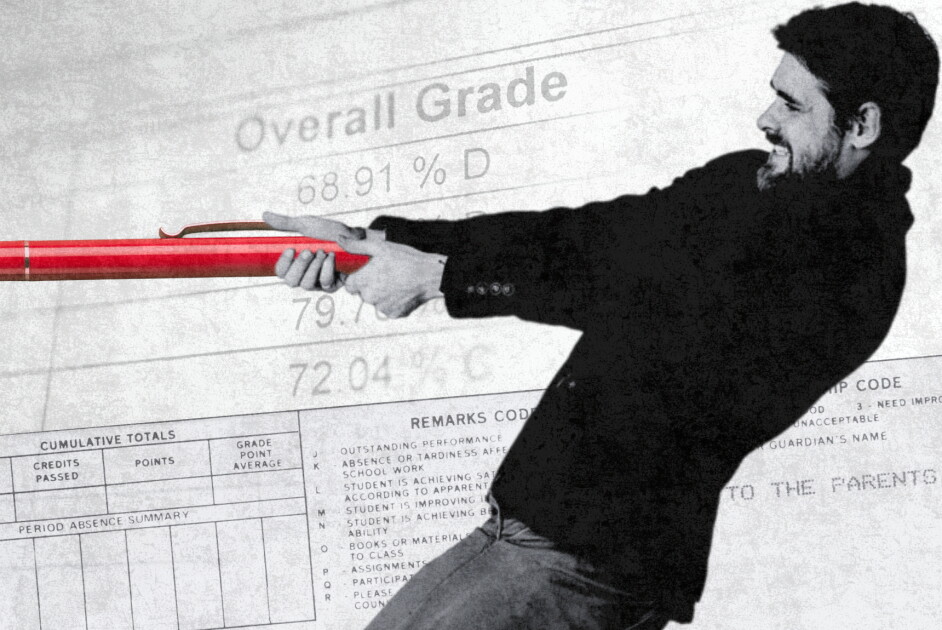
Several parents have filed lawsuits against schools over grading decisions in recent years, reflecting broader parental pushback against school policies. Two notable cases involved the Palo Alto, California school district: one concerning a third grader’s grade reduction tied to alleged playground misbehavior, and another involving a teacher’s allegation that a student improperly used artificial intelligence on a paper. The parent in the AI case subsequently withdrew the lawsuit, while the playground behavior case remains pending.
Research indicates that grade disputes are common in schools. A fall 2023 EdWeek Research Center survey of 1,500 teachers found that approximately four in ten reported receiving pressure from parents and students to change grades within the previous year. The survey noted that affluent parents were more likely to apply such pressure, raising concerns about equity in grading practices. Education leaders emphasize that grades should reflect student learning and skill development, but disputes often arise when parents focus on how grades might affect future opportunities rather than on learning itself.
Historically, courts have been reluctant to intervene in academic grading matters. A 2005 study by University of Georgia legal scholars John Dayton and Ann Dupre examined grade-related court cases and found that courts generally deferred to academic judgments. In roughly half of the 18 published opinions reviewed, courts expressed deference to academic decisions or found plaintiffs’ claims unproven. In the nine cases where judges ruled in parents’ favor, schools had violated state law, acted arbitrarily, or infringed on due-process rights.
The U.S. Supreme Court has never ruled on a parental challenge to K-12 student grades, though it has addressed higher education cases. In Regents of University of Michigan v. Ewing from 1985, Justice John Paul Stevens wrote that judges should show great respect for faculty professional judgment and may not override academic decisions unless they represent a substantial departure from accepted academic norms. Legal scholars note that this standard remains largely unchanged, with academic grading decisions generally considered unappealable in courts.
Article Attribution | Read More at Article Source
Article summary produced by Claude AI