

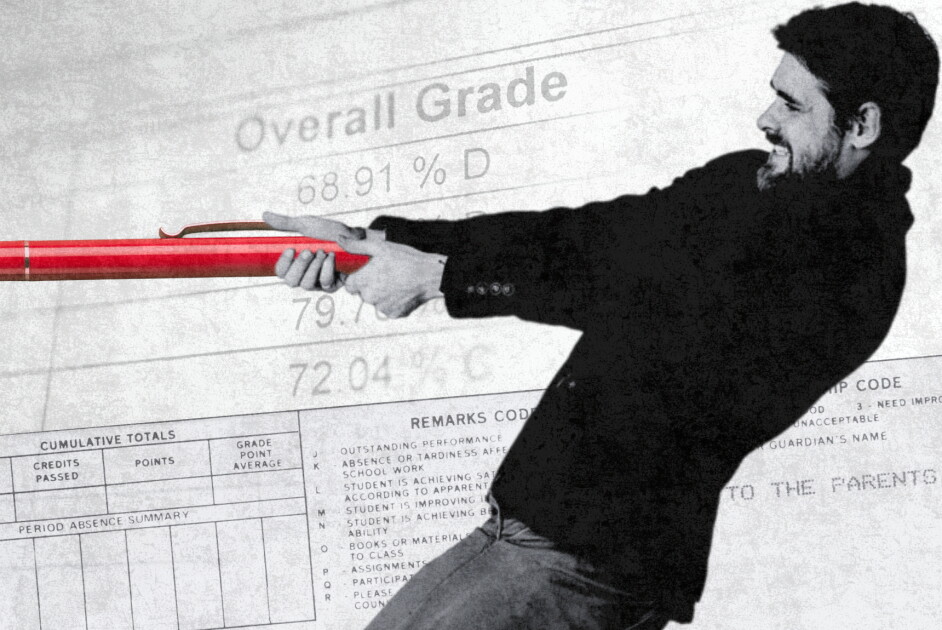
Parents’ legal challenges to their children’s school grades have drawn recent attention, with cases filed against districts over grade reductions related to attendance, classroom behavior, and academic integrity concerns. Courts have consistently demonstrated reluctance to intervene in what they classify as purely academic judgments, instead deferring to educators’ professional expertise in evaluating student performance and assigning grades.
Research examining grade-related litigation shows this pattern holds across multiple decades. A 2005 study of 18 published court opinions found that in roughly half the cases examined, judges expressed deference to academic decision-making or determined plaintiffs’ claims were unproven or trivial. In the nine cases where parents prevailed, courts typically found that schools had acted contrary to state law, arbitrarily, or in violation of students’ due-process rights rather than disagreeing with the academic judgment itself.
Parental pressure regarding grades appears widespread among schools. A fall 2023 survey by EdWeek Research Center found that approximately 4 in 10 teachers reported receiving pressure from parents and students to change grades within the previous year, with affluent families more likely to exert such pressure. Education leaders note that when parents become focused on grade outcomes as determinants of future opportunities rather than measures of actual learning, disputes can become emotionally charged.
Historically, courts have drawn distinctions between academic and disciplinary matters in grading disputes, applying broader deference to purely academic decisions while requiring greater due process for disciplinary actions. The U.S. Supreme Court has not directly ruled on parental challenges to K-12 grades, though higher education cases have established precedent supporting institutional deference to academic judgments. Legal scholars suggest this judicial framework has remained relatively consistent, with judges generally declining to substitute their evaluation of academic work for that of educators.
Article Attribution | Read More at Article Source
Article summary produced by Claude AI