

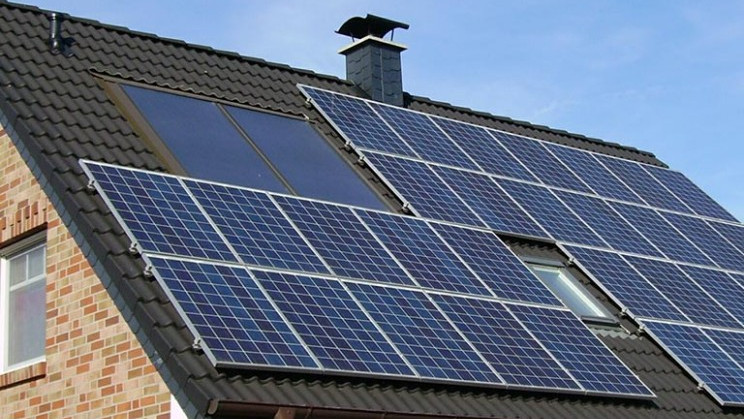
Syria has experienced a dramatic expansion of decentralized solar energy deployment over the past three years, driven by the deterioration of the national electricity system. The country’s off-grid solar capacity increased eightfold between 2022 and 2025, with approximately one-quarter of Syrian households now owning some form of solar equipment. This growth occurred not as part of a coordinated national energy strategy, but rather as individual households, businesses and institutions adapted to the prolonged failure of centralized power infrastructure resulting from conflict, sanctions and economic collapse.
The rapid adoption of rooftop solar in Syria reflects a fundamental advantage of distributed renewable energy systems compared to conventional power generation. While traditional utilities require functioning governments, fuel supply chains, international financing, transmission networks and state protection across the entire system, individual solar installations require only basic components that can be deployed at household scale. This flexibility has allowed electricity supply to continue at a localized level even as the broader grid deteriorated to provide only a few hours of daily power in many areas and generate less than one-fifth of pre-war capacity.
The Syrian experience is not unique in the region. Lebanon’s decentralized solar capacity grew from approximately 90 MW in 2020 to 1,200–1,300 MW by 2024 following similar economic and infrastructure crises. Similar patterns have emerged in Yemen, where a World Bank-supported off-grid program provided solar systems to nearly 800,000 people, and in conflict-affected areas of the Democratic Republic of Congo, where mini-grids maintained critical services during infrastructure failures.
Despite these successes, current distributed solar deployment faces significant limitations. Many households cannot afford complete systems, creating disparities in access to reliable electricity between wealthy and poor populations. Weak regulatory oversight has enabled markets for substandard equipment and unsafe installations, while individual systems often waste midday electricity generation due to inability to share surplus power with neighbors or connect to functional networks. Experts contend that the solution involves transitioning from isolated household systems toward organized community networks and mini-grids that can share resources more efficiently, improve equity and prepare for eventual integration with restored national infrastructure through appropriate technical standards and development financing mechanisms.
Article Attribution | Read More at Article Source
Article summary produced by Claude AI