

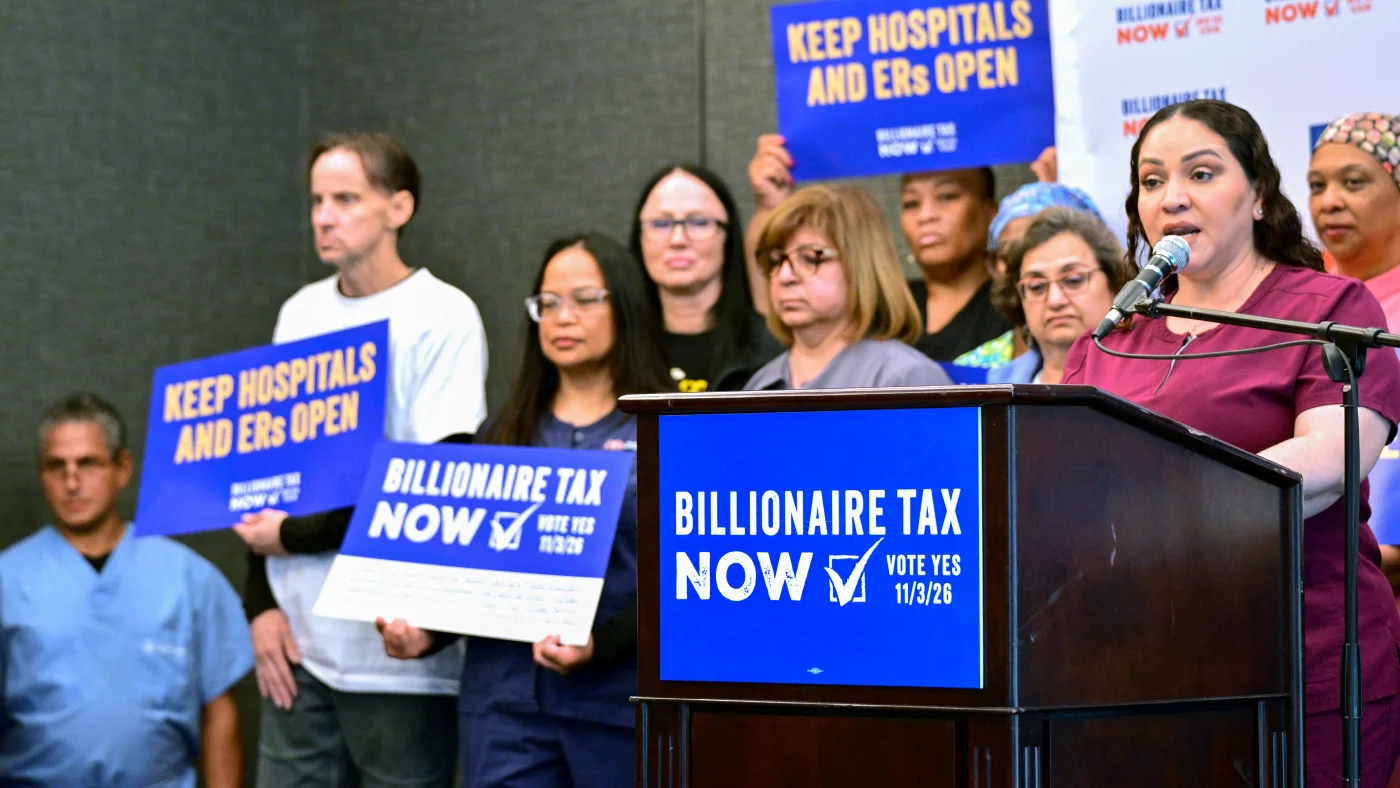
California voters rejected Proposition 40, a ballot initiative that would have imposed a one-time 5% tax on state billionaires, according to determinations made in late October. The defeat came amid broader Democratic electoral gains during the midterm period, prompting analysis of why this particular measure failed to advance.
Proponents of the wealth tax, including UC Berkeley economist Gabriel Zucman, attribute the loss to the substantial financial resources deployed against the initiative. Opponents spent approximately $400 million combating Prop 40, making it one of the costliest ballot initiative battles in state history. Zucman notes that the spending disparity was particularly stark, with billionaire-backed groups spending over $300 million on advertising while supporters invested negligibly by comparison. He argues this created an asymmetrical information environment where voters encountered primarily anti-tax messaging, distinguishing Prop 40 from candidate races where spending often occurred on both sides of contests.
However, Stanford economist Joshua Rauh offers a different interpretation. He questions whether advertising expenditures fully explain the proposition’s poor performance, pointing to voting patterns across California counties. In some of the most progressive Bay Area regions, he observes that support for presidential candidate Kamala Harris significantly exceeded support for Prop 40, a gap larger than seen in other Democratic-leaning areas. Rauh suggests this uneven geographic distribution suggests factors beyond advertising, including proximity to billionaires and businesses they operate, may have influenced voter skepticism.
Rauh contends the results indicate broader electorate resistance to wealth tax concepts, even in progressive California, particularly among moderate Democrats in affluent areas. This mirrors earlier divisions within the Democratic Party during the 2020 presidential primary, when wealth tax proposals championed by some candidates faced opposition from others. The outcome raises questions about whether the Democratic Party should pursue wealth tax policies in future electoral cycles.
Analysts also note that ballot initiatives may be particularly susceptible to advertising influence compared to candidate races, where voters can rely on party affiliation as a decision-making shortcut. Notably, prominent California Democrats, including Governor Gavin Newsom, opposed Prop 40, instead favoring a national minimum tax on billionaires, removing a clear partisan endorsement from the measure.
Article Attribution | Read More at Article Source
Article summary produced by Claude AI