

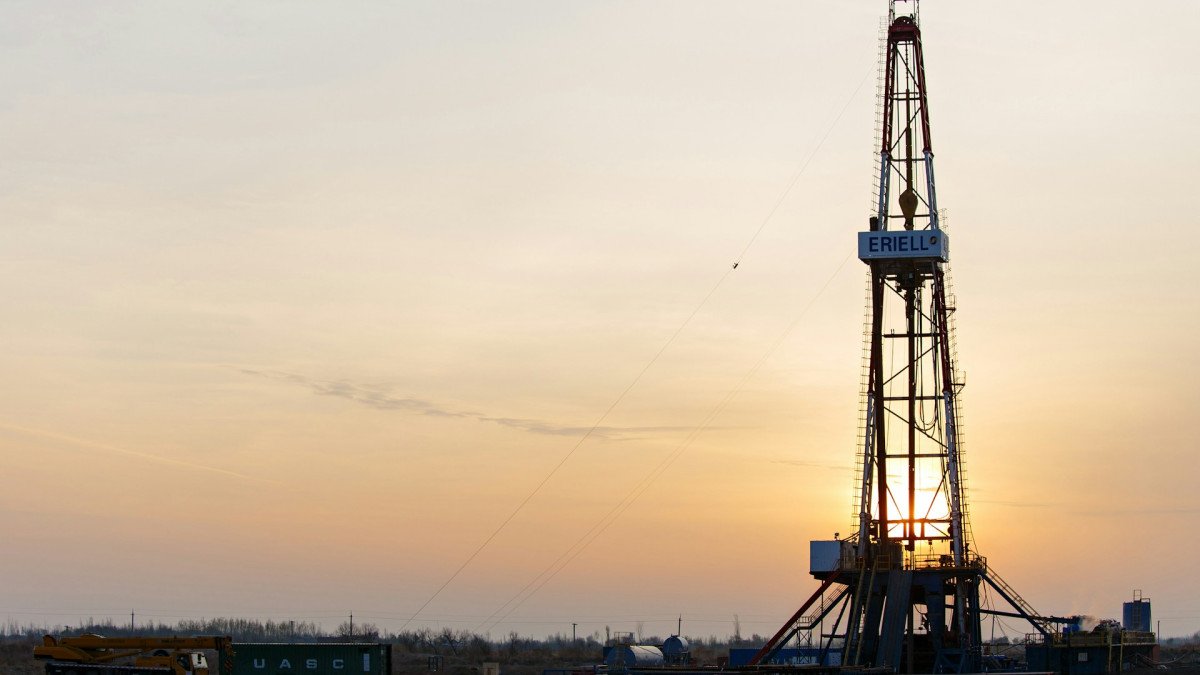
Chevron has moved forward significantly in securing development rights to Iraq’s West Qurna 2 oilfield, one of the country’s most productive assets. Following a recent meeting between Iraqi Oil Minister Basim Mohammed Khudair Al-Abadi and Chevron’s Joe Cook, both parties confirmed agreement on commercial terms. The companies now expect to execute a formal contract before the end of this year, arriving two months before Chevron’s exclusive negotiating window expires in February 2027.
The acceleration of negotiations stems largely from intervention by Iraqi Deputy Prime Minister for Energy Affairs Mohsen al-Mandalawi, who instructed negotiators to remove obstacles and expedite the agreement. A significant factor in expediting the process involved decoupling the West Qurna 2 negotiations from separate discussions regarding the Nassiriya oilfield, allowing each project to progress at its own pace. Additionally, groundwork established in mid-September through a technical consultancy contract between the Oil Ministry and Chevron prepared the American firm to advise Iraq’s state-run Basra Oil Company on development requirements.
West Qurna 2 represents a major asset in Iraq’s portfolio, located 65 kilometers northwest of Basra with reserves estimated at 14 billion barrels. Under Russian operator Lukoil, the field produced approximately 400,000 barrels per day, constituting roughly nine percent of Iraq’s total output at the time. Historical production data indicates the field has demonstrated capacity to exceed these figures substantially, with extended periods of 635,000 to 650,000 barrels per day achieved during Lukoil’s tenure. Iraq’s Oil Ministry maintains confidence that Chevron can rapidly increase production to around 800,000 barrels per day, with private assessments suggesting potential for substantially higher output.
Iraq’s urgency in concluding this agreement reflects pressing economic circumstances. The country derives over 90 percent of its annual government budget from oil revenues, historically dependent on transit through the Strait of Hormuz for monetization. Regional conflict has created financial constraints for Baghdad, though recent data indicates crude production rebounded to 4.22 million barrels per day in October, with exports averaging between 3.35 and 3.5 million barrels per day. Securing increased output from West Qurna 2 represents a critical strategy for Iraq to generate government revenue amid economic pressures.
Article Attribution | Read More at Article Source
Article summary produced by Claude AI