

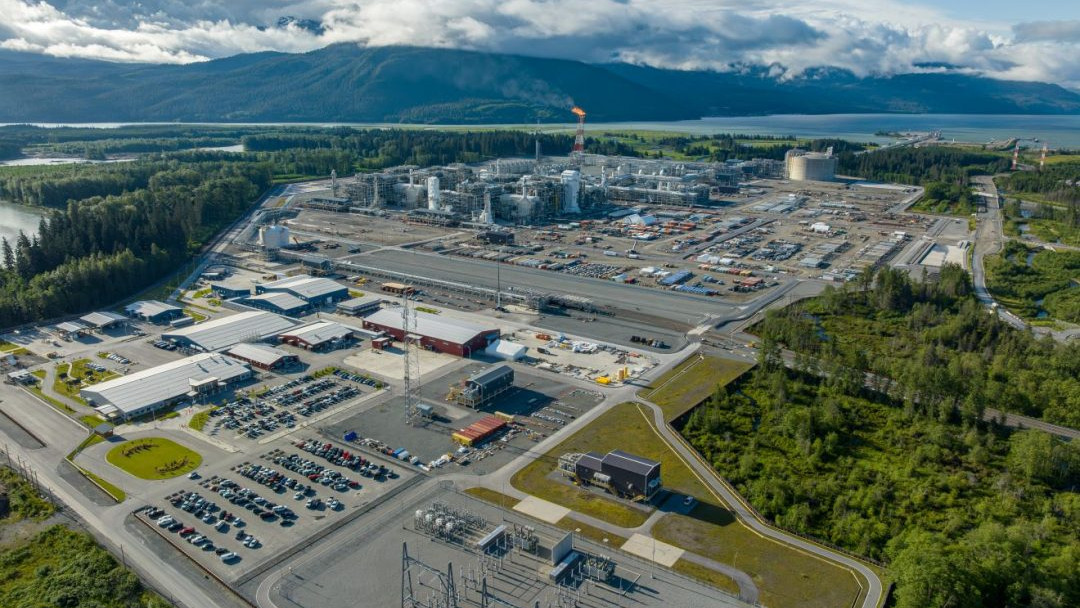
Canada and the European Union have launched discussions on a comprehensive associate membership arrangement, following talks during a summit in October 2026. The partnership addresses concerns about economic dependence on the United States, particularly amid escalating trade tensions and tariff disputes involving President Trump. Under this new framework, the two parties have agreed to conduct a joint feasibility study regarding long-term Canadian liquefied natural gas supplies to European markets.
Canada’s LNG export potential offers apparent strategic benefits for both parties. The EU has sought to reduce its reliance on Russian energy following the 2022 invasion of Ukraine and subsequent destruction of the Nord Stream pipeline infrastructure. Previously, the United States filled much of this supply gap, but European policymakers have expressed concern about the sustainability of depending heavily on a single external supplier given shifting political priorities. A Canadian alternative could diversify Europe’s energy sources while stimulating development of Canadian natural gas infrastructure that has lagged behind competitors in the United States, Norway, Australia, Qatar, and Russia.
However, structural challenges complicate this arrangement’s long-term viability. The EU’s gas consumption is declining significantly as the continent transitions toward renewable energy sources and electrification. According to analysis cited in reporting on the issue, Europe’s gas demand could fall by half or more within the next decade. LNG infrastructure projects typically require ten years or longer from conception to operational status, creating a substantial timing mismatch.
This dynamic is evident in existing commitments. British Columbia’s Ksi Lisims LNG project signed a 20-year supply agreement with Germany’s SEFE in the year before the summit, committing to 1 million tonnes annually beginning in the early 2030s. A separate proposal involving Churchill, Manitoba would require approximately $70-80 billion in infrastructure investment, including offshore loading terminals and icebreaker support for Hudson Bay operations. These substantial capital commitments face uncertainty given the trajectory of European energy demand.
Article Attribution | Read More at Article Source
Article summary produced by Claude AI