

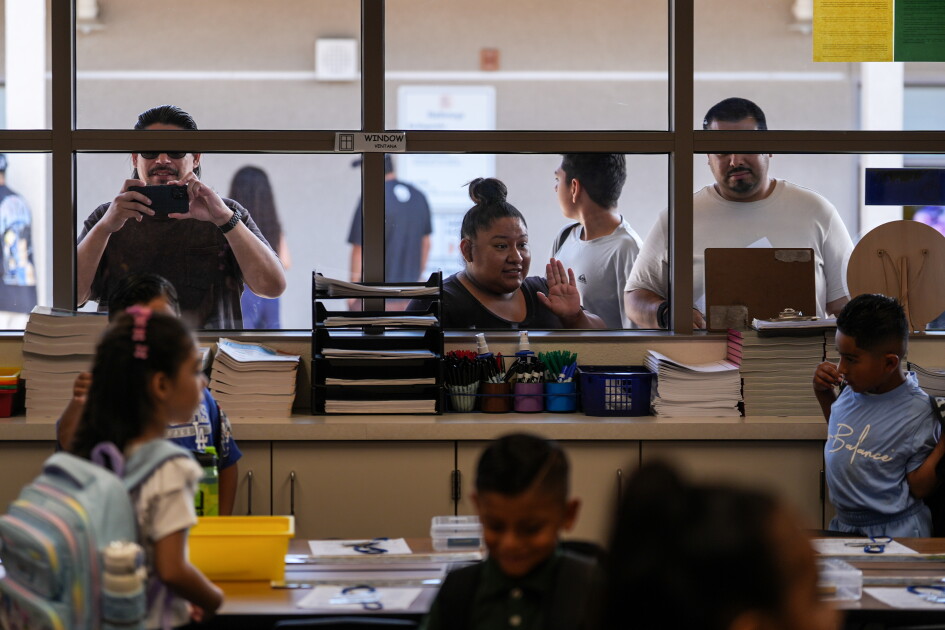
Multiple teacher-preparation programs across the United States are incorporating hands-on experience with family engagement into their curricula, addressing a significant gap in how aspiring educators are trained. Programs at institutions like Towson University and Elon University partner with community schools to provide student-teachers with direct experience working with families and learning to build meaningful partnerships.
Research indicates this training is needed. According to the National Association for Family, School, and Community Engagement, just over half of teacher-preparation programs include coursework on parent and family engagement, and fewer than one-third of program leaders report that their graduates develop key competencies in creating welcoming environments and building partnerships. A survey by the EdWeek Research Center found that many teachers across experience levels identify better parent coordination as crucial for improving student behavior and classroom management.
In these specialized programs, aspiring teachers receive formal instruction on setting learning goals, responding to cultural differences, engaging families in home learning, and managing conflicts. Over approximately 80 hours of student teaching, they work alongside mentor teachers and parent liaisons during parent conferences and community events. This experiential approach helps teacher candidates understand the real-world dynamics of family-school relationships before entering their own classrooms.
Educators involved in this work emphasize that genuine conversation cannot be replaced by technology. While schools now have expanded digital tools for progress updates and translation services, researchers note that meaningful dialogue remains essential. New teachers often initially underestimate what families can contribute, focusing narrowly on academic metrics rather than students’ social and emotional development. Experienced mentors working in these programs teach that families from all backgrounds bring valuable resources, values, and cultural knowledge to support student learning and help teachers avoid burnout.
Article Attribution | Read More at Article Source
Article summary produced by Claude AI