
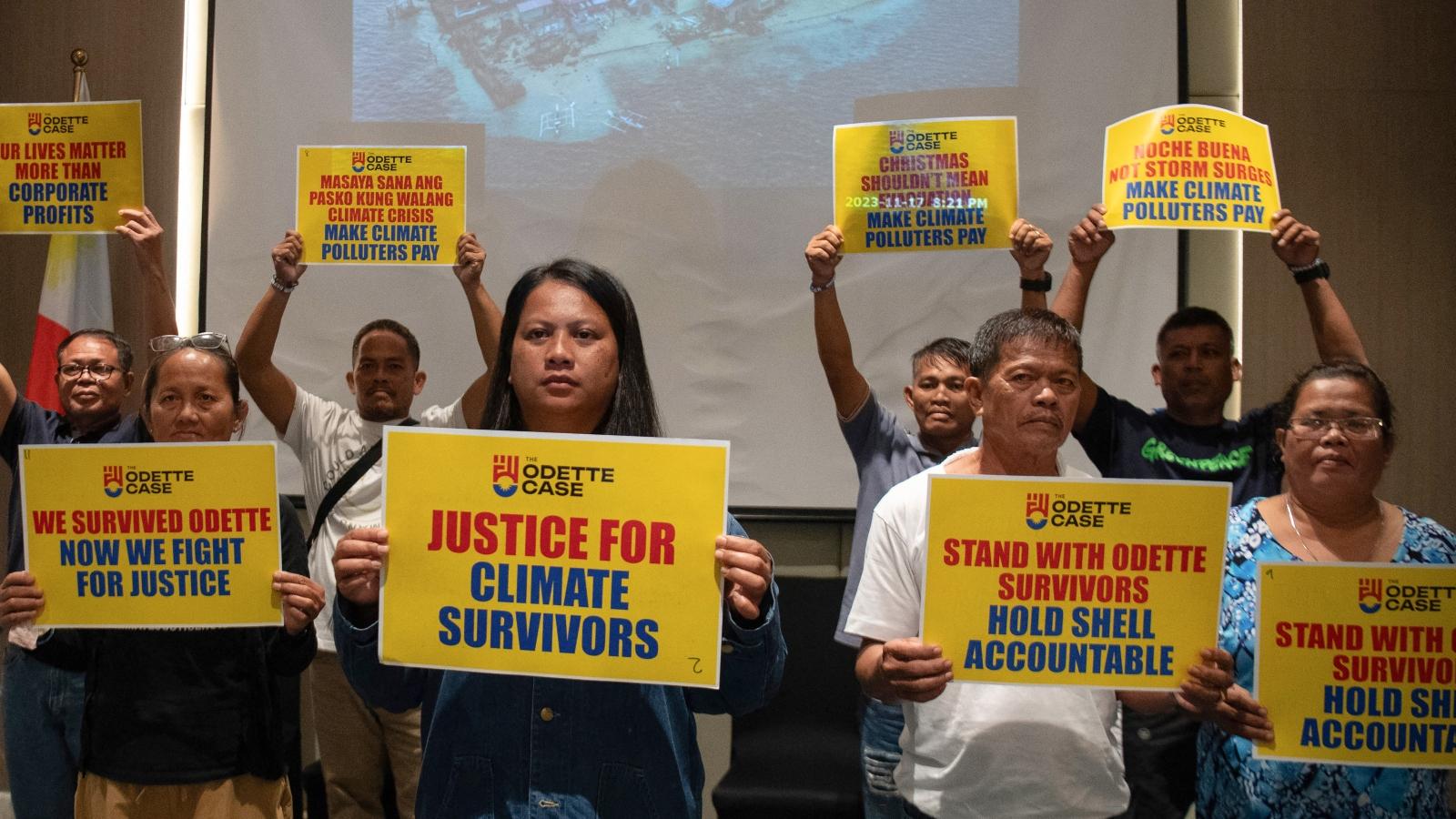
Communities in Asia devastated by climate-related disasters are pursuing legal action against major corporations and governments in an emerging trend of climate litigation across the region. Following Super Typhoon Rai’s impact on the Philippines in December 2021, survivors including Trixy Elle have filed lawsuits seeking compensation and accountability. In December 2025, 67 typhoon survivors sued Shell at the Royal Courts of Justice, arguing that the company’s historical emissions contributed to climate change and intensified the disaster. The case represents a significant development as the first civil case to directly link a major fossil fuel company to deaths and injuries from climate impacts in the Global South.
Climate litigation has expanded globally over the past decade, yet the Global South remains underrepresented in these legal efforts. As of mid-2025, approximately 3,099 climate change cases had been filed globally, with nearly two-thirds originating from the United States. Europe accounts for 32 percent of cases excluding the U.S., while Asia and Africa represent only 6 percent and 2 percent respectively. Several factors impede the growth of climate litigation in Asia, including weak rule of law, judicial corruption, limited judicial independence, and restrictions on free speech and activism in certain jurisdictions.
Despite these obstacles, momentum is building. In 2024, South Korea’s Constitutional Court ruled portions of the Carbon Neutrality Act unconstitutional for failing to protect future generations’ rights, while India’s Supreme Court recognized climate protection as a fundamental constitutional right. Malaysia has seen its first climate litigation cases, including a greenwashing complaint against a fossil fuel company and a youth-led case challenging deforestation. Indonesian residents have also filed suit against cement company Holcim in Switzerland over emissions and rising sea levels affecting their island.
Plaintiffs are strategically filing cases in jurisdictions with more developed climate jurisprudence and stronger corporate accountability mechanisms. These legal battles create visibility for affected communities and inspire others to pursue similar actions. Experts anticipate continued growth in Asian climate litigation, particularly cases focused on loss and damage seeking compensation for climate-related harms. While litigation is one tool among many in the climate justice movement, it provides affected communities an avenue to be heard and hold powerful entities accountable for their contributions to climate change.