
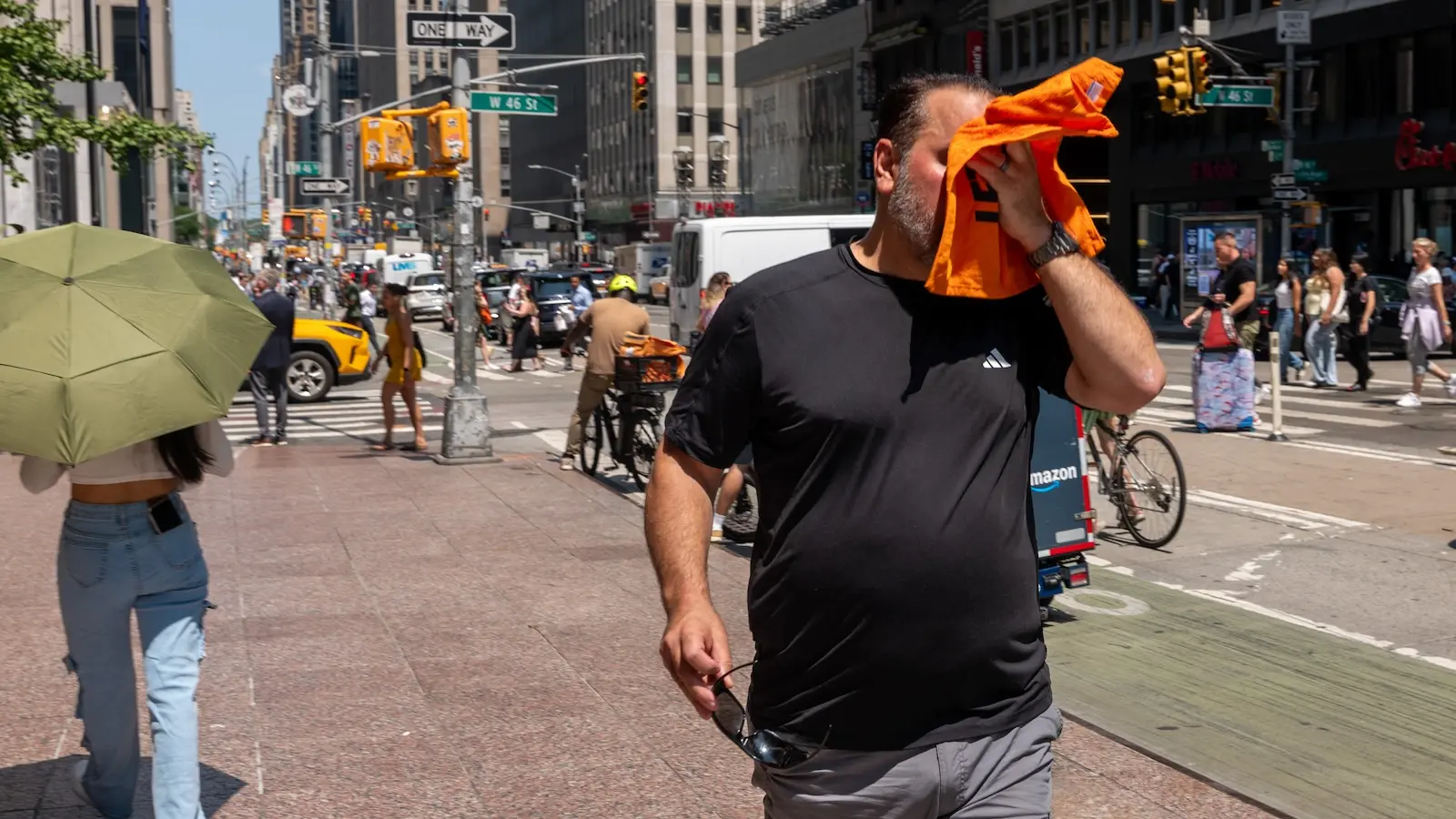
New York City’s outdoor workers face increasing risks from extreme heat as climate change intensifies summer temperatures, but the absence of federal workplace heat protections has prompted local efforts to fill the gap.
Dave Carew, a UPS worker of 13 years, has become an organizer educating delivery workers about heat safety measures, including paid breaks during high temperatures. While UPS workers secured a labor contract in 2023 requiring air-conditioning in new vehicles beginning the following year, challenges persist. Temperatures in delivery truck cargo areas can still reach hazardous levels on extremely hot days, creating ongoing safety concerns for workers handling large package volumes.
The federal government has not yet established comprehensive heat protection rules for workers. Although the Biden administration proposed a draft federal heat rule two years ago, the regulatory process has slowed considerably under the Trump administration, leaving individual states and municipalities to develop their own standards. Labor unions have responded by aggressively enforcing existing contract protections through safety meetings, webinars, and outreach efforts. The Teamsters union’s initiatives contributed to UPS experiencing no widely reported heat-related deaths among workers during the previous summer.
New York City has launched multiple initiatives to protect vulnerable workers from extreme heat exposure. Mayor Zohran Mamdani signed an executive order last month establishing the city’s first comprehensive program for outdoor worker heat protection. The city has deployed hundreds of cooling centers and outreach vans staffed to conduct wellness checks during heat waves. Organizations like the Street Vendor Project, which represents over 3,000 food and merchandise vendors, have collaborated with city agencies to establish pop-up cooling stations and distribute information about heat safety resources.
Language accessibility remains critical given the diversity of outdoor workers. The executive order requires city health and emergency management agencies to develop multilingual heat safety messaging within the year. However, structural challenges complicate implementation. Street vendors operating without full licenses may risk theft if they leave their stations, while app-based delivery workers may lose income when taking safety breaks. Labor advocates emphasize that extreme heat has become a defining characteristic of New York summers requiring evolved policy responses.