
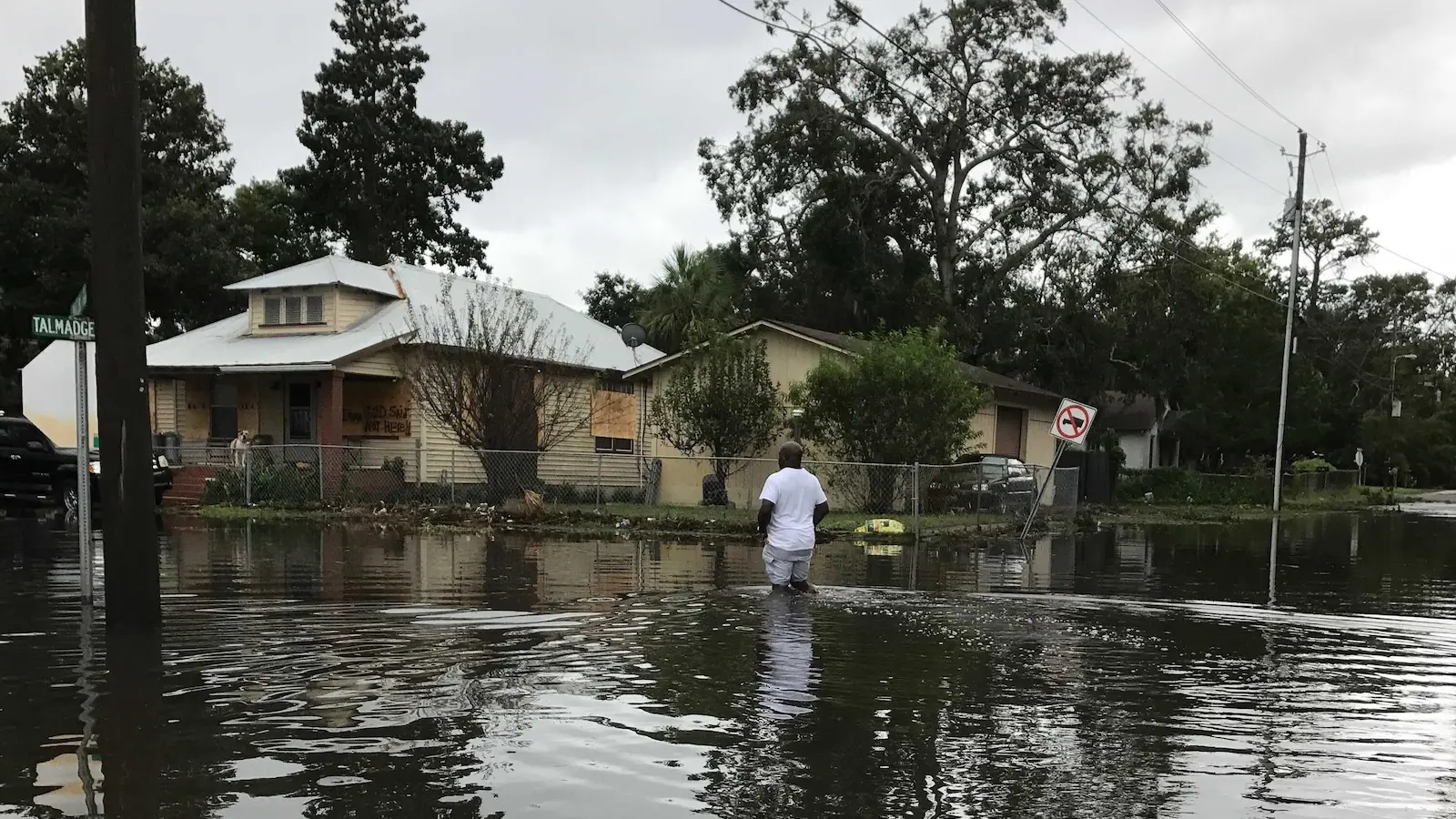
Coastal Georgia communities are facing compounded environmental risks as climate change intensifies flooding in areas already burdened by industrial pollution. Semona Holmes, a resident of Brunswick, lives near a former pesticide plant designated as a Superfund site and experiences regular flooding that threatens to mobilize contaminated materials into her neighborhood. The floodwaters have at times reached knee-height during heavy rains and storm surge events, raising concerns about exposure to hazardous substances.
To address these interconnected challenges, a collaborative research initiative is being established through funding from the National Institute of Environmental Health Sciences. Six institutions—Emory University, the University of Georgia, Georgia Tech, Morehouse School of Medicine, Spelman College, and Texas Tech University—will establish Georgia’s first Superfund research center with $15 million in support. The five-year effort will focus on Glynn County’s four toxic sites and aims to understand past health exposures while reducing future risks.
The research agenda encompasses multiple dimensions of the contamination problem. Scientists plan to investigate connections between toxic substances and potential health outcomes, conduct environmental sampling to map exposure pathways, and model how climate impacts such as sea level rise and intensified storms could compromise existing containment infrastructure. According to researchers involved, a key priority is ensuring that remediation efforts at these sites can withstand extreme weather conditions moving forward.
Community engagement has shaped the research design, with residents like Holmes providing input on which questions the studies should address. Many local families have already altered their behaviors in response to concerns, avoiding tap water and local seafood. For Holmes, whose grandchildren attend a school near a toxic site, the research represents an opportunity to document potential harms and secure acknowledgment from responsible parties. She emphasized that documentation alone is insufficient without sustained action to address contamination and protect public health in the region.