
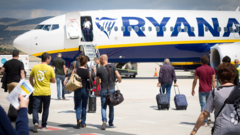
Ryanair reported a significant decline in profitability during the second quarter, with pre-tax profits dropping 34% to €593 million between April and June. Revenue remained essentially flat at €4.4 billion, growing just 1% compared to the prior year period. The airline attributed the profit decline to elevated jet fuel expenses stemming from geopolitical tensions in the Middle East, combined with reduced customer demand for air travel.
Passenger traffic increased 6% to 6.1 million during the period, bolstered by Easter holiday travel in April. However, average fares declined 6% as Ryanair implemented price reductions to stimulate bookings among consumers hesitant about air travel due to international conflicts. The company noted that passengers were maintaining interest in travel but were delaying their bookings closer to departure dates compared to historical patterns.
Jet fuel costs surged following military strikes against Iran in February, which also disrupted global crude oil markets. While Ryanair had secured hedged fuel contracts for most of its forward requirements, unhedged fuel costs more than doubled during the period. Oil prices spiked to $90 per barrel following renewed fighting, though an interim peace deal earlier provided temporary relief to energy markets.
Looking ahead, Ryanair cautioned that summer fares between July and September would be modestly lower than the previous year, citing ongoing consumer hesitancy. The airline’s finance chief noted that Mediterranean routes remained well-booked despite the challenging environment. Management warned that full-year results would be highly sensitive to external factors including Middle East and Ukraine conflict developments and unhedged fuel price movements. Ryanair’s share price declined 5% following the earnings announcement.