
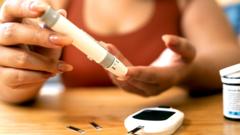
Researchers at Imperial College London have documented a significant rise in type 2 diabetes cases among young women in their 20s in England, with the trend becoming particularly pronounced following the Covid pandemic. An analysis of NHS data spanning 2011 to 2024 reveals that this increase correlates closely with elevated obesity levels in younger populations.
Approximately 12,000 people under age 30 are currently living with type 2 diabetes in the UK, with women comprising an increasingly larger proportion of cases in this age group. The disease is decreasing slightly among older adults, who continue to represent the largest overall proportion of new diagnoses. However, incidence is rising rapidly in individuals under 40, with women aged 20 to 29 experiencing some of the sharpest increases. This pattern differs from historical trends, as the condition traditionally affected older populations predominantly.
Data indicates that body mass index measurements at the time of diabetes diagnosis have been climbing more rapidly among younger adults than older age groups. Between 2019 and 2025, new obesity cases rose by 16% in people aged 20-29 and almost 20% in those aged 30-39, while obesity rates declined among adults aged 60-79. Nearly one in three people in England are now affected by obesity. Dr. Shivani Misra, the lead researcher, attributes the early-onset type 2 diabetes trend to earlier development of severe obesity in younger populations, which increases disease risk earlier in life.
The research reveals that this public health challenge extends across diverse populations rather than being concentrated in traditionally higher-risk ethnic minority groups, as previously assumed. Type 2 diabetes diagnosed at younger ages tends to be more aggressive, increasing the risk of serious complications including heart attacks and strokes. Early detection and intervention are considered essential to prevent long-term organ damage. Treatment approaches include dietary modifications, weight management, and potentially newer obesity medications such as GLP-1 treatments, alongside traditional glucose-lowering medications when necessary.
Article Attribution | Read More at Article Source
Article summary produced by Claude AI