
Global energy supply reached a record high in 2025, climbing to more than 600 exajoules for the first time, according to the Energy Institute’s latest statistical review. Every energy source—including coal, oil, gas, nuclear, wind, solar, hydro and other renewables—achieved all-time highs during the year. Coal reached 166 exajoules, up 0.7% from the previous year, while wind and solar experienced the fastest growth at 18.3% year-on-year.
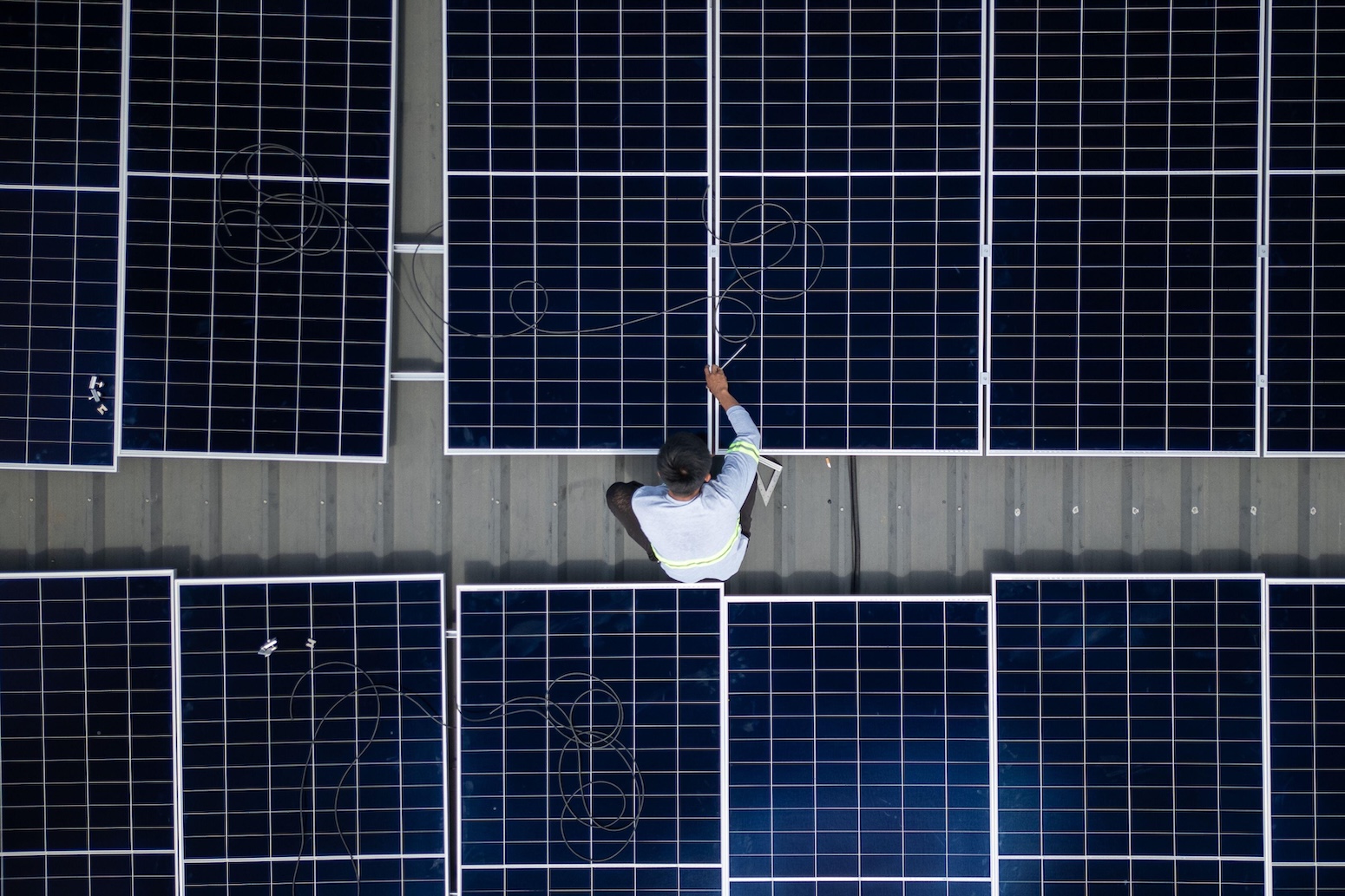
Clean power sources combined contributed more new energy to global supplies than any single fossil fuel in 2025, marking a significant milestone in the energy transition. Wind and solar together added more new capacity than coal, oil, or gas individually. Despite this progress, fossil fuels still comprised 86.2% of global primary energy supplies, though this represents a continued decline in their overall share.
The statistical review underwent a methodological change in 2025 regarding how clean energy contributions are measured. Prior to this year, the review used the “substitution method” for renewable sources, which estimated fossil fuels that would have been needed to generate equivalent electricity. The Energy Institute shifted to measuring renewable output directly as electricity, reasoning that clean-energy systems lose less energy during conversion compared to fossil fuels, which lose approximately two-thirds of their primary energy as waste heat during combustion.
Electricity demand is rising significantly faster than overall energy consumption, increasing 3% in 2025 compared to 1.7% for total energy use. All new power supply came from low-carbon sources. In the electricity generation sector specifically, renewables combined with nuclear power met all growth in global electricity demand, while fossil fuel generation remained flat. The review included data on data-center electricity consumption for the first time, showing these operations used 788 terawatt-hours, representing 2% of global electricity demand and 15% of electricity growth.
China emerged as a major driver of global electricity generation, now producing more electricity than the United States, European Union and India combined. The country is advancing electrification targets, having adopted a 35% by 2030 goal for electricity’s share of final energy supplies, compared to a global average of approximately 22% currently.
Article Attribution | Read More at Article Source
Article summary produced by Claude AI