
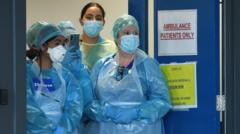
The Covid inquiry has concluded that personal protective equipment failures during the pandemic endangered NHS staff and patients while resulting in substantial financial waste. The inquiry chair, Baroness Hallett, identified £9.9bn in procurement waste, representing two-thirds of the £14.9bn the government spent on PPE supplies. When accounting for home testing kits, ventilators, and other equipment purchased between January 2020 and June 2022, total government spending exceeded £42bn.
The UK entered the pandemic with its PPE stockpile in inadequate condition and proved unprepared for global competition to secure supplies. By the end of March 2020, the emergency stockpile—designed to last at least 15 weeks—was depleted as hospital demand surged. The inquiry found only a third of masks in England’s pandemic stockpile were usable, while Scotland possessed no high-grade respiratory masks for hospital use. Care homes, GP surgeries, and pharmacies were required to source their own PPE, which the report characterized as a major planning failure.
The government ultimately wrote off £9.9bn in unused or expired PPE and £157m in unused healthcare equipment. Scotland wrote off approximately £8mn of healthcare equipment, Wales £18m in unused PPE, and Northern Ireland £43m of masks, gowns, and gloves that risked expiry. The ventilator challenge programme, which sought to rapidly develop breathing equipment, resulted in £143m in charges for designs never manufactured.
The inquiry criticized the high priority lane, a procurement system introduced in April 2020 that expedited PPE contracts from those with political connections. Baroness Hallett called it a misguided policy that should not be repeated, noting it embedded unfairness into emergency procurement. However, she stated there was no evidence of cronyism or corruption by ministers or officials in awarding final contracts. The inquiry recommended overhauling emergency procurement systems, developing a domestic industry strategy treating healthcare equipment as a strategic national asset, and improving the pandemic stockpile held in Merseyside.
Article Attribution | Read More at Article Source
Article summary produced by Claude AI