
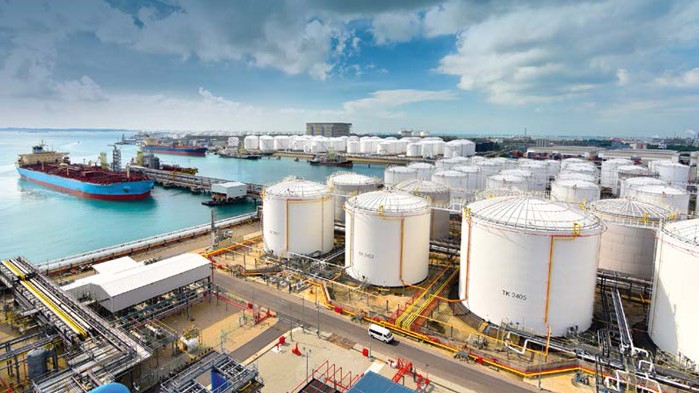
East Africa has historically exported crude oil while importing refined fuel products, despite holding substantial hydrocarbon reserves across multiple countries. The region’s last operating refinery ceased operations in 2013, creating a structural dependency on imported refined products. Nigerian billionaire Aliko Dangote has announced plans to develop a major refinery facility on Kenya’s Lamu Island with a proposed investment of $17 billion, designed to process 700,000 barrels per day for Kenya, Uganda, South Sudan, Rwanda, Burundi, and the Democratic Republic of Congo.
The facility’s location provides significant logistical advantages, as Lamu’s natural harbor can accommodate large Post-Panamax crude tankers that cannot access the port of Mombasa. The refinery’s capacity would exceed current East African demand by approximately 250,000 barrels per day, enabling exports to other African markets. The project is expected to generate over 60,000 jobs during construction and operations, with Tanzanian billionaire Mohammed Dewji expressing interest in contributing $100 million toward development.
The proposal draws comparison to Nigeria’s Dangote refinery, commissioned in 2023, which transformed Nigeria from an import-dependent nation into an energy-secure exporter by meeting 100% of domestic fuel demand. The Nigerian facility has contributed to improved government finances and helped stabilize the national currency. The Kenya project is positioned as a test case for industrial integration within the African Continental Free Trade Area, potentially reshaping regional trade patterns across a 55-country market.
The proposal has generated significant opposition from environmental and human rights advocates. Greenpeace Africa and local community groups have raised concerns about potential damage to Lamu’s UNESCO-designated marine ecosystem, including mangrove forests and coral reefs that support local tourism and fishing industries. Critics also argue the facility could become a stranded asset as global energy transitions accelerate, and have called for comprehensive environmental and social impact assessments before project advancement. Economists have flagged concerns about potential monopolistic practices, noting that Dangote Industries previously engaged in regulatory disputes in Nigeria regarding market protection and competitor access.
Article Attribution | Read More at Article Source
Article summary produced by Claude AI