
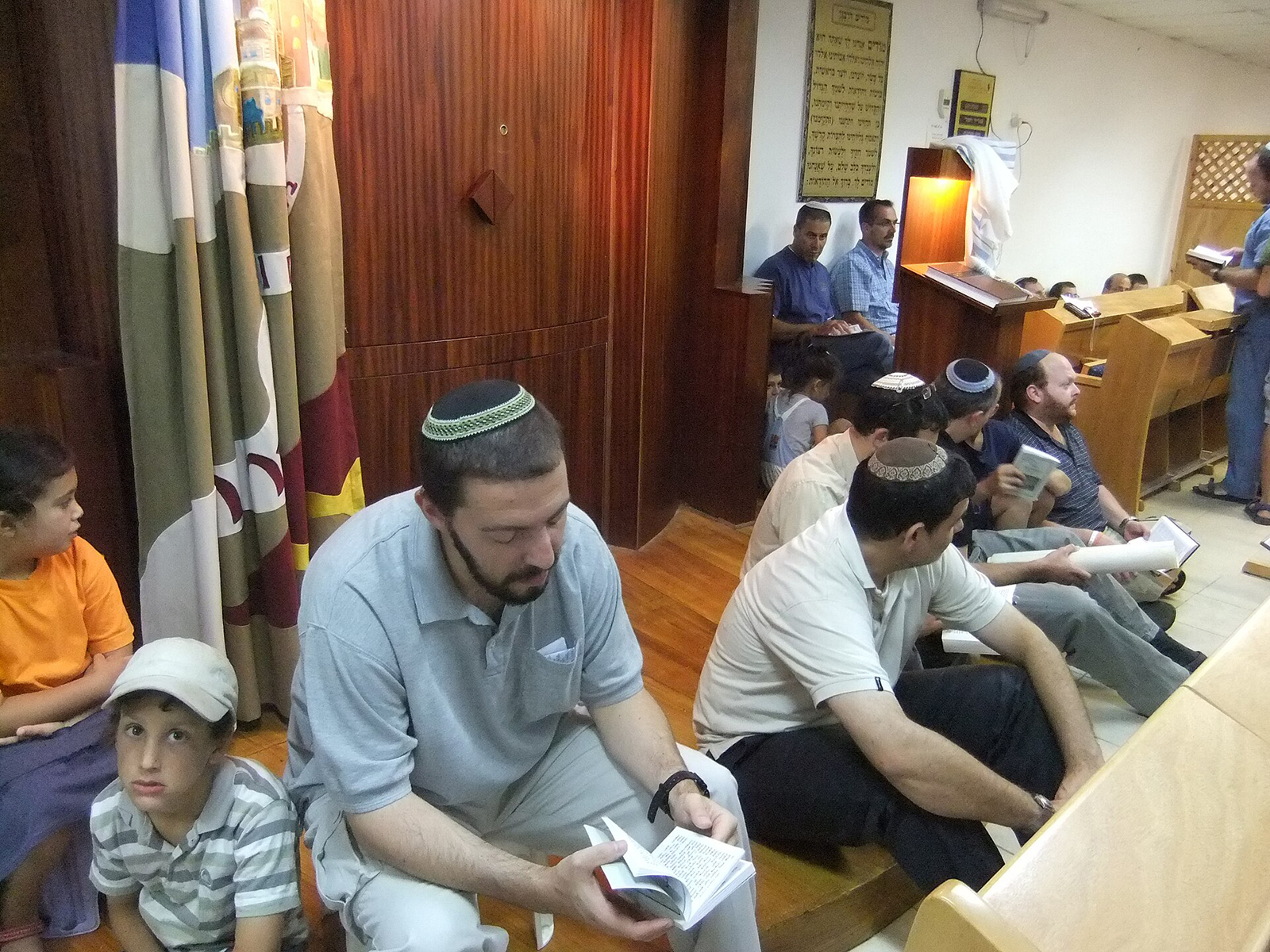
Tisha B’Av, Judaism’s central day of communal mourning, marks the destruction of the First and Second Temples in Jerusalem. The observance begins at sundown on July 22 and concludes at sunset the following day, lasting 25 hours during which participants fast and avoid physical comforts while gathering in synagogues to read the biblical Book of Lamentations alongside kinot, liturgical poems of lamentation.
The tradition of kinot has evolved across centuries as rabbis and poets composed new works responding to subsequent catastrophes, including the Crusades, Inquisition, and Holocaust. This practice continues in the present day, with new lamentations created following recent crises. Since the October 7, 2023 attacks and subsequent conflict, contemporary authors have authored additional liturgical poems to be recited during the observance, demonstrating how the day’s mourning practices remain dynamic rather than static.
Religious leaders describe Tisha B’Av as providing a framework for processing collective grief and historical trauma within community. The observance emphasizes embodied practices—fasting, sitting on low stools, refraining from comfort—that make mourning tangible rather than purely intellectual. Practitioners gather to reflect on significant losses in Jewish history while considering how to learn from these events and work toward preventing future suffering.
Jewish tradition teaches that the Second Temple was destroyed because of baseless hatred and internal division, a lesson some leaders argue carries particular relevance for contemporary society. Religious authorities have invoked teachings about the importance of strengthening mutual respect and unity despite disagreement. Some Jewish thought predicts the Messiah’s birth will occur on Tisha B’Av, suggesting that redemption emerges only after experiencing catastrophe, positioning Jewish hope as rooted in acknowledgment of loss rather than naive optimism.
Article Attribution | Read More at Article Source
Article summary produced by Claude AI