
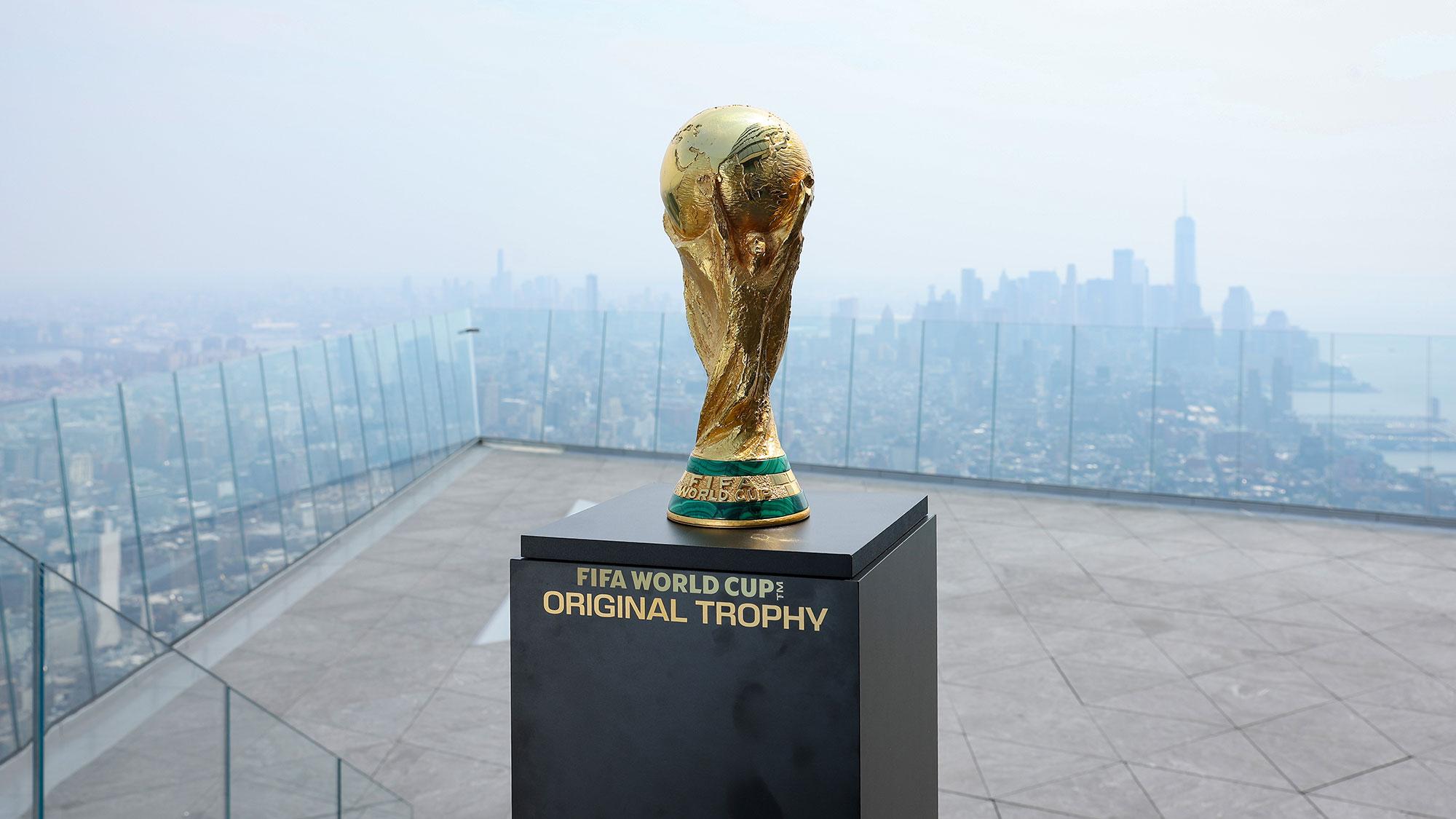
The World Cup final between Argentina and Spain, scheduled to take place Sunday outside New York City, faces potential disruption from wildfire smoke originating in Canada. The smoke has affected air quality across numerous eastern states this week, with New York experiencing hazardous conditions on Thursday as officials urged residents to limit outdoor activities.
As of Friday morning, air quality near the stadium remained in the unhealthy range, though forecasts suggest improvement to moderate levels by Sunday’s kickoff. The open-air venue presents no options for smoke mitigation, leaving players and spectators potentially exposed to health risks including throat irritation, coughing, and headaches. Medical professionals express particular concern for vulnerable populations such as children, elderly individuals, and those with respiratory conditions. Additionally, players have continued outdoor training sessions during poor air quality conditions, raising questions about athlete safety.
FIFA has not disclosed any contingency plans addressing wildfire smoke, despite implementing extensive heat-related protocols. In contrast, other major sports organizations have adopted standardized responses to air quality events. The National Women’s Soccer League implements additional hydration breaks when air quality indexes reach unhealthy levels and cancels games when conditions become very unhealthy. Major League Baseball and Major League Soccer both rescheduled games this week due to smoke impacts.
Experts emphasize that FIFA’s current situation reflects broader unpreparedness among sports governing bodies for climate-related disruptions. While forecasts suggest the World Cup final may avoid severe smoke exposure, observers caution that this potential reprieve should not substitute for comprehensive planning. Some athletes and commentators have questioned whether major sporting events should continue as scheduled during climate emergencies, with calls for governing bodies to establish clear protocols and policies addressing environmental health risks.
Article Attribution | Read More at Article Source
Article summary produced by Claude AI