
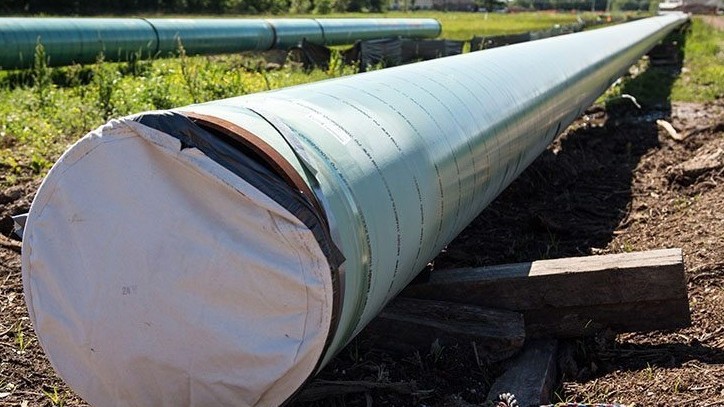
The Permian Basin, the nation’s leading oil-producing region, has faced a substantial accumulation of natural gas that operators view as an undesirable byproduct of crude oil extraction. Throughout the first half of the year, regional natural gas prices plummeted to historically low levels due to insufficient pipeline infrastructure to transport the growing volumes of associated gas produced from oil-directed drilling operations.
The Waha hub, which serves as the regional pricing benchmark for Midland-area gas production, averaged negative $2.19 per million British thermal units during the first half of the year. In late April, prices hit a record low of negative $7.95 per MMBtu, representing a stark contrast to the national benchmark price at Henry Hub, which stood around $2.70 per MMBtu at that time. The disparity highlighted the acute supply-demand imbalance facing regional producers.
Conditions have improved following the startup of expanded pipeline infrastructure. The Gulf Coast Express Pipeline expansion and Energy Transfer’s new Hugh Brinson Pipeline began operations, with Waha prices turning positive in June and remaining above zero for more than a month. These pipelines are designed to transport gas eastward from the Waha area to East Texas, the Katy Hub, and Gulf Coast markets, including liquefied natural gas export terminals, power generation facilities, and industrial consumers. However, the Hugh Brinson Pipeline will not reach full operational capacity until March 2027.
Industry analysts report that producers previously curtailing volumes through shutdowns or flaring have begun resuming operations as new capacity comes online. Despite these improvements, executives anticipate that resolution of takeaway capacity constraints will require several additional quarters. A Dallas Fed Energy Survey from June indicated that pipeline capacity limitations represent the most significant constraint on drilling activity in the Permian over the coming year. Most exploration and production executives expect full alleviation of gas takeaway constraints by 2027, with the first quarter of that year being the most commonly cited timeframe. Broader pipeline expansion efforts nationwide are expected to add substantial capacity during 2026 and 2027, with Texas projects accounting for over two-thirds of new U.S. natural gas pipeline capacity additions.
Article Attribution | Read More at Article Source
Article summary produced by Claude AI