
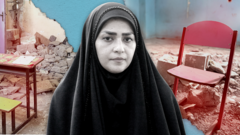
On 28 February, during the opening phase of military conflict between the US, Israel, and Iran, a strike destroyed Shajareh Tayyebeh Primary School in Minab, a small city in southern Iran. The Minab prosecutor’s office confirmed 156 deaths, including 120 children, a pregnant woman, and her unborn child. The school was situated adjacent to an Islamic Revolutionary Guard Corps (IRGC) compound, with satellite imagery showing multiple strikes in the area.
Experts analyzing available evidence have concluded that US forces likely carried out the strike. The US military has not publicly accepted responsibility, though US media outlets reported that military investigators believe the operation was unintentional. Reports suggest outdated intelligence data supplied by the US Defence Intelligence Agency may have led to the school being misidentified as part of a military installation. Video analysis confirmed the IRGC complex was hit by precision-guided Tomahawk missiles, a weapons system neither Israel nor Iran operates. Satellite images also show the school and adjacent compound structures were struck multiple times. The location had been separated from the IRGC base with distinct entrances and yards since 2016, and the school’s address was publicly available online before the attack.
Teachers and rescue workers described the immediate aftermath as devastating. A first-grade instructor recounted hearing explosions, thick black smoke, and the building collapsing around her and her students. A Red Crescent Society worker who arrived early at the scene described finding remains that were severely fragmented, with families identifying children by their shoes and clothing. The psychological trauma among rescuers was substantial, with workers reporting inability to sleep for days following recovery efforts.
In the weeks following the incident, the Trump administration initiated an investigation, with Defense Secretary Pete Hegseth announcing a higher-level review led by an officer outside US Central Command. The administration has not yet released investigation findings. The head of US Central Command acknowledged to Congress that the school was located on an active IRGC cruise missile base, a characterization rejected by Iran’s foreign ministry as false.
The strike has become a focal point in Iranian political discourse and international relations. The Iranian government has repeatedly referenced the incident in speeches, international forums, and state media. For bereaved families visiting the cemetery daily, the event represents both profound grief and anger, with questions raised about civilian casualties in military operations presented as targeting security infrastructure.
Article Attribution | Read More at Article Source
Article summary produced by Claude AI