
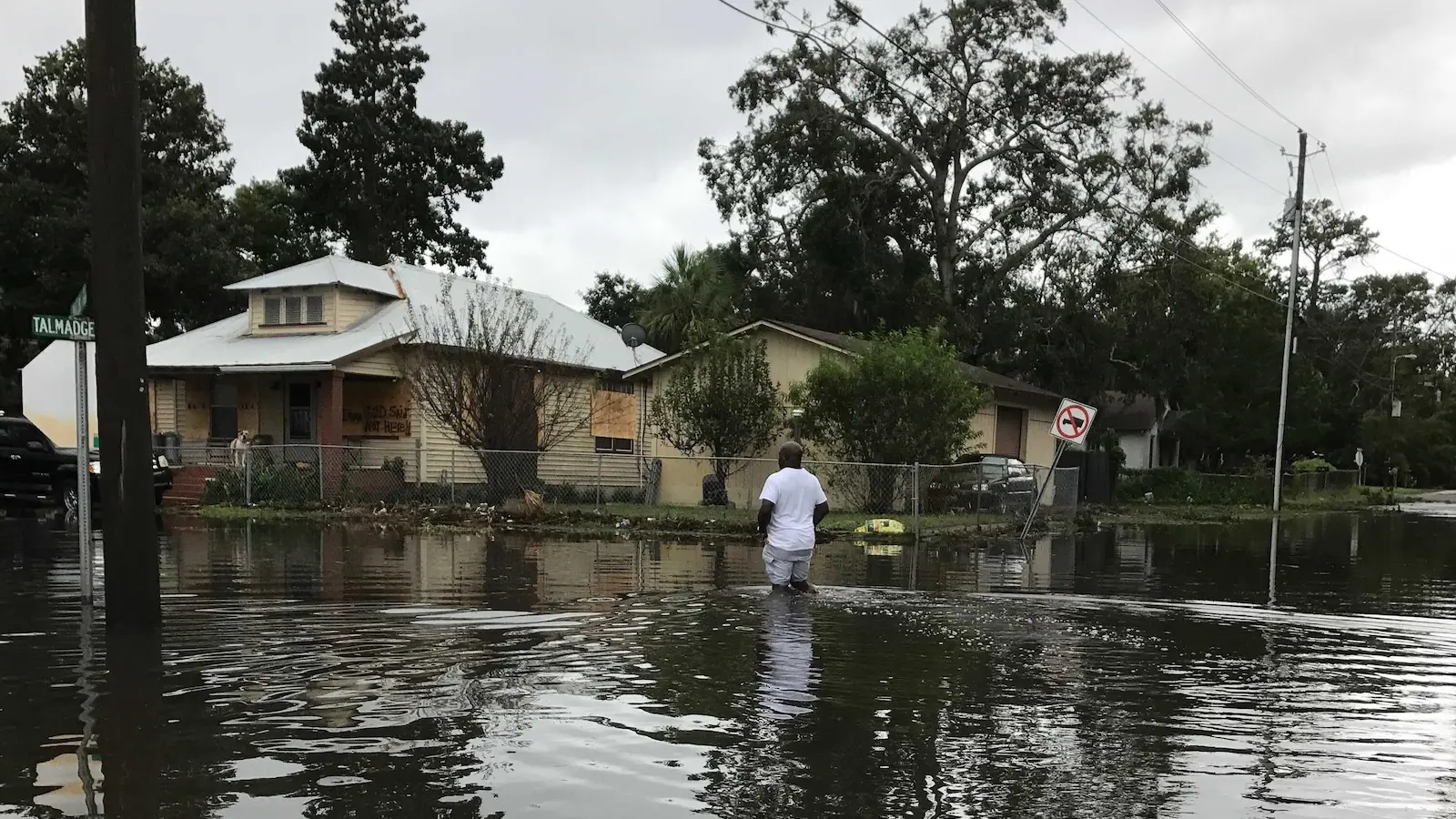
Coastal communities in Georgia are facing increased environmental health risks as climate change interacts with the legacy of industrial pollution. Residents in Brunswick and surrounding Glynn County areas experience regular flooding from storms and high tides, which threatens to breach containment systems at former industrial sites now designated as toxic Superfund locations. One resident, Semona Holmes, lives near a former pesticide plant and has experienced floodwaters reaching her knees, raising concerns about chemical contamination spreading into her neighborhood.
In response to these mounting concerns, six academic institutions have launched Georgia’s first Superfund research center with $15 million in federal funding from the National Institute of Environmental Health Sciences. The collaboration includes researchers from Emory University, the University of Georgia, Georgia Tech, Morehouse School of Medicine, Spelman College, and Texas Tech University. Over a five-year period, the team will examine the four toxic Superfund sites located in Glynn County and their potential health impacts on residents.
The research initiative has dual objectives: documenting health effects from past chemical exposures and identifying strategies to reduce future exposure risks. Scientists will analyze the connection between toxic substances at former industrial facilities and potential health outcomes, conduct environmental sampling to determine exposure pathways, and model how climate impacts such as sea level rise and intensified storms could compromise existing remediation efforts. Particular attention will focus on whether flood events could breach the protective caps and containment structures designed to prevent community exposure to hazardous materials.
Community members participated in planning the research to ensure studies address their specific concerns. Many residents have already adopted protective measures, such as avoiding tap water and local seafood, but express frustration about gaps in available information regarding chemical exposure and long-term health consequences. Holmes emphasized the importance of not only identifying contamination but also securing acknowledgment and sustained action from companies responsible for the industrial pollution that affected the region.
Article Attribution | Read More at Article Source
Article summary produced by Claude AI