
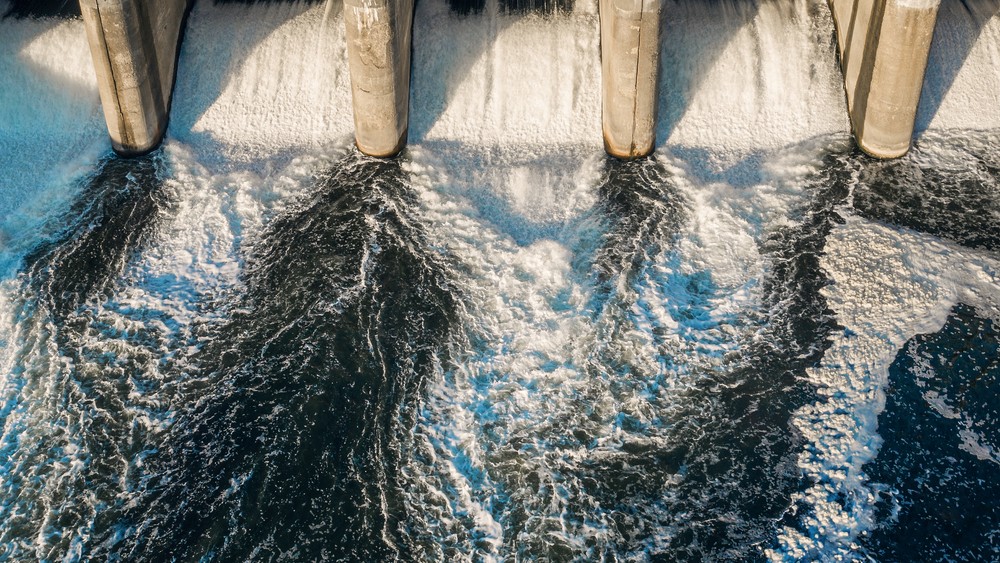
According to a report published this week by Ember Energy, hybrid renewable energy projects developed on existing hydropower sites could significantly accelerate Europe’s clean energy transition. The analysis identifies 25 GW of combined wind and solar capacity that could be integrated into hydropower facilities across Austria, Bulgaria, France, Italy, Portugal, Romania, and Spain. Such hybridization efforts could enable these nations to accommodate approximately 18 percent of their anticipated renewable energy additions by 2030 while avoiding the need for expanded grid capacity.
Current hydropower plants eligible for hybridization operate at only 19 percent of their maximum output capacity on average. Adding wind and solar resources to these facilities could increase utilization rates to 31 and 36 percent respectively. Additionally, hybrid projects could nearly double the efficiency of existing grid connections, substantially reducing infrastructure expansion requirements and associated investment costs. Presently, only Spain and Portugal have established regulatory frameworks governing hybrid renewable projects, indicating that most assessed nations lack formal guidelines for such developments.
Grid capacity constraints have emerged as a critical barrier to renewable energy deployment across Europe and globally. The seven countries assessed plan to deploy 138 GW of wind and solar capacity between 2026 and 2030, representing more than a 50 percent increase from 2025 levels. However, several nations, including Austria and Bulgaria, currently have no available grid capacity for new generation projects, while Portugal and Romania face severe limitations. Globally, more than 2,500 GW of renewable and energy storage projects remain stalled due to insufficient transmission infrastructure.
Proactive examples demonstrate the viability of hybrid approaches. Portugal’s Tâmega wind farm is being developed as a hybrid project using existing hydroelectric infrastructure, while France’s Lazer floating solar facility, which opened in 2023, doubled its host dam’s renewable output by installing 50,000 panels on the reservoir. Ember recommends that policymakers adopt hybridization strategies to leverage existing transmission networks, reduce environmental and social friction associated with new project sites, and accelerate the renewable energy transition within constrained infrastructure environments.
Article Attribution | Read More at Article Source
Article summary produced by Claude AI