
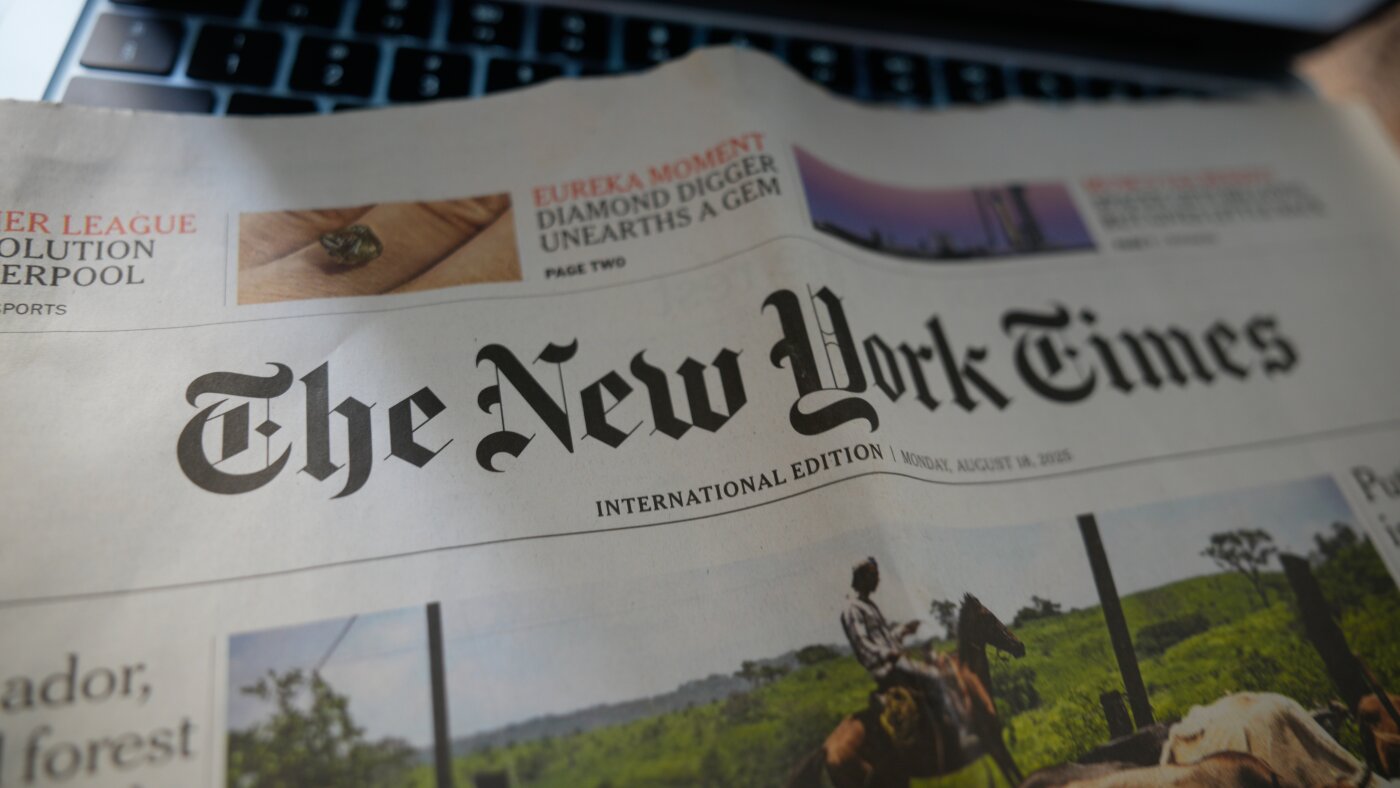
The Justice Department abandoned subpoenas seeking grand jury testimony and phone records from New York Times journalists following a hearing in Manhattan where a federal judge sharply criticized the government’s legal approach and threatened sanctions against prosecutors.
U.S. District Court Judge Arun Subramanian questioned nearly every aspect of the government’s case, noting that the subpoenas were issued on July 10, only two days after the Times published its initial article about security concerns involving President Trump’s travel from a NATO summit in Turkey. The judge emphasized that seeking journalist testimony should be a last resort, not a first action, and highlighted that the government had not demonstrated why other investigative avenues were exhausted before targeting the reporters. Subramanian also pointed to binding legal precedent protecting journalists that existed in the same appeals circuit, questioning why prosecutors had not reviewed relevant case law before issuing the subpoenas.
During the hour-long proceeding, the judge critiqued multiple errors in the government’s legal filings, including an attempt to prevent phone companies from notifying the journalists that their records had been subpoenaed, despite the investigation already being publicly known. Prosecutors acknowledged inadvertently requesting phone records for relatives of the reporters, including the mother of one journalist and spouses of two others, calling these mistakes honest errors based on database confusion.
The Justice Department had maintained that the subpoenas were authorized by Acting U.S. Attorney General Todd Blanche and were necessary for national security purposes. Deputy U.S. Attorney Sean Buckley argued the subpoenas constituted a last resort given the information available at the time, but the judge rejected this reasoning. A department spokesperson later asserted the investigation would continue and pledged to pursue justice against those responsible for leaking classified information.
New York Times attorney David McGraw characterized the outcome as a victory for the First Amendment and rule of law, while noting the hope that the matter would conclude. The case reflected broader concerns about press freedoms and the Trump administration’s approach to controlling classified information disclosures.
Article Attribution | Read More at Article Source
Article summary produced by Claude AI