
The Trump administration is seeking to modify the Section 106 review process, a core component of the National Historic Preservation Act of 1966 that requires federal agencies to evaluate how construction projects affect historic sites. According to draft language obtained by NPR, the proposed revisions would redefine what qualifies as a historic property, make public comment optional, and eliminate requirements to consult with Native American tribes.
Preservation advocates argue the changes would significantly reduce protections for properties on the National Register of Historic Places, which contains over 100,000 sites encompassing more than 1.8 million buildings, structures, and districts. The modifications would narrow the definition of “adverse effects,” allow agencies to condense consultation into written reports rather than ongoing engagement, and remove language emphasizing that public input is essential to federal decision-making. Critics contend this approach mirrors the urban renewal era of the mid-20th century, when federal projects destroyed landmarks like Penn Station and devastated historically Black neighborhoods, prompting Congress to establish the 1966 protections in the first place.
The Advisory Council on Historic Preservation, which oversees the Section 106 process, is dominated by Trump appointees. Council members were given one week to vote on the proposed changes via email. The revisions would need to clear additional federal rulemaking steps, including a roughly 30-day public comment period, before taking effect. Opponents say the changes could exempt federally funded projects from review, including state highway construction that has historically destroyed neighborhoods and burial sites.
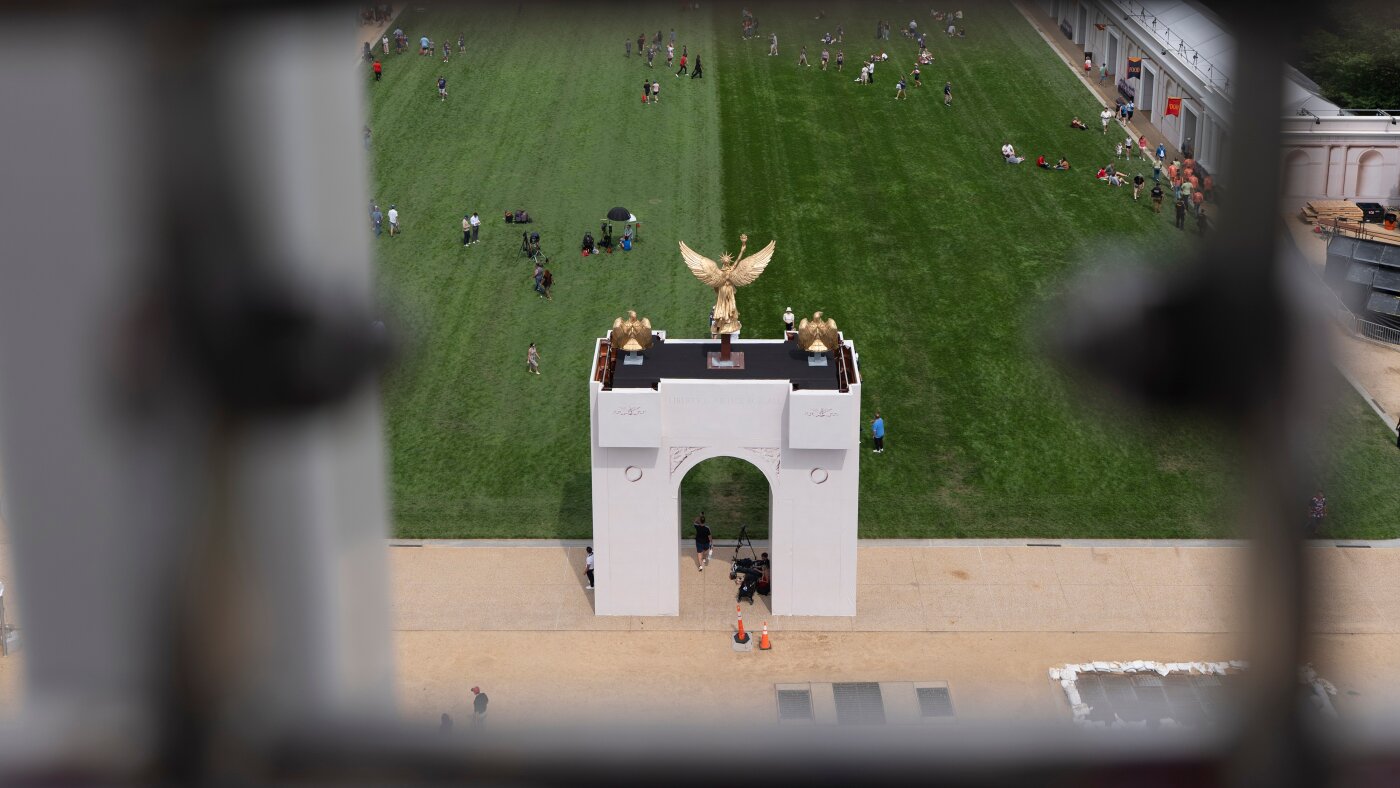
Administration officials argue the current process creates confusion and delays, with some consultations taking nearly seven years. They contend revisions would help agencies balance historic preservation concerns with advancing federal projects. The changes could facilitate Trump administration renovation projects in Washington, D.C., including a proposed 250-foot arch near Arlington National Cemetery.
Preservation groups, tribal nations, state historic preservation officers, and Democratic lawmakers have opposed the proposal. Some have indicated they plan to contest the changes through legal action and the upcoming public comment period. Congress could potentially strengthen Section 106 through legislation.
Article Attribution | Read More at Article Source
Article summary produced by Claude AI