
The European Commission unveiled a comprehensive reform proposal for the EU’s Emissions Trading System on 17 July, which regulates carbon dioxide emissions across power generation, industry, aviation and other sectors covering approximately 40% of the bloc’s total emissions.
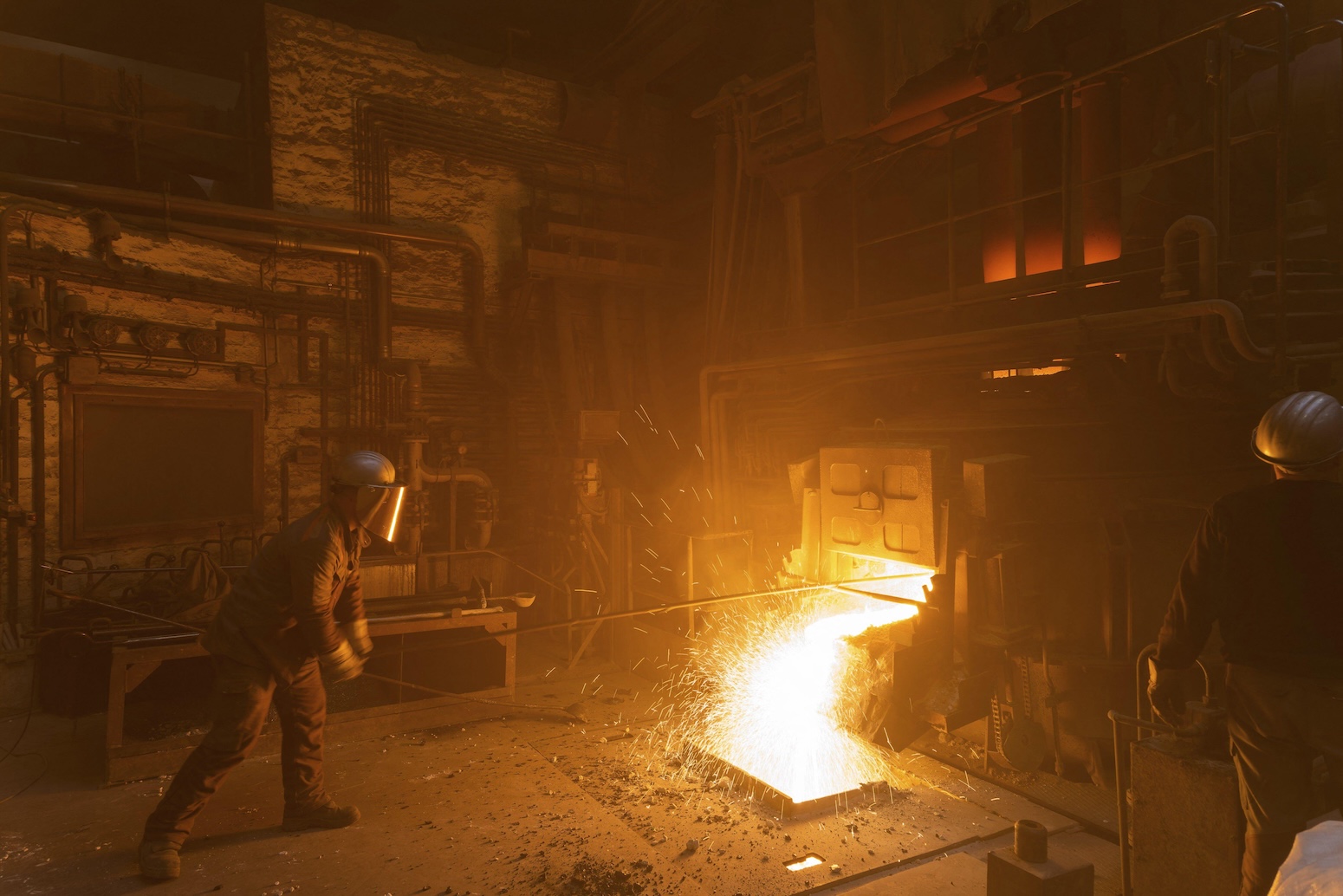
The proposal introduces several key modifications designed to balance climate objectives with industrial competitiveness. It extends free allowances to companies beyond a previously set deadline to 2038, contingent on firms submitting climate investment plans. Additionally, it reduces the annual rate at which the overall emissions cap declines after 2030, shifting from 4.4% annually to 3.7% over 2031-35 and 1.7% from 2036-40. The commission also proposes expanding aviation coverage to include flights departing the European Economic Area and bound for destinations within 5,000 kilometers, along with private jets. New sectors, including maritime shipping and waste incineration, would be gradually incorporated into the system.
The reforms have generated substantial debate among stakeholders. Industry groups and some EU member states view the changes as necessary relief from rising compliance costs, while environmental organizations express concern about the proposals’ climate impact. Analysis suggests the modifications could permit approximately 2 billion additional tonnes of carbon dioxide emissions. Climate commissioner Wopke Hoekstra characterized the plan as “fully aligned” with the EU’s 2040 target to reduce emissions 90% below 1990 levels and described it as “completely climate-law proof.”
Opponents, including Carbon Market Watch and WWF, contend the proposals would significantly weaken the system and undermine the EU’s climate targets. They argue the extended free allowances reward industrial delay rather than incentivizing decarbonization. The proposal also mandates that EU countries allocate half of ETS auction revenue toward decarbonization efforts, potentially generating over 100 billion euros for clean energy investments before 2030.
The proposal now enters negotiation between member states before European parliament consideration. Ireland, which holds the rotating EU presidency, aims to finalize the agreement by year-end, though analysts anticipate extensive debate over the technically complex legislation.
Article Attribution | Read More at Article Source
Article summary produced by Claude AI