
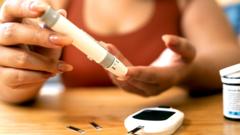
Health experts at Imperial College London have identified a marked increase in type 2 diabetes cases among young women in their 20s across England, based on analysis of NHS data spanning 2011 to 2024. The trend has accelerated notably since the Covid pandemic and coincides with rising obesity rates in the population. Approximately 12,000 people under age 30 currently have type 2 diabetes in the UK, with women representing a growing proportion of these younger cases, according to NHS England estimates.
Researchers examining data from the English National Audit found that while the disease continues to decline slightly among older adults—who still account for the largest share of new diagnoses—incidence is rising rapidly in those under 40. Women aged 20 to 29 have experienced some of the sharpest increases. Significantly, body mass index measurements at diagnosis have been climbing faster among younger adults compared to older age groups, suggesting obesity as a primary driver. Between 2019 and 2025, obesity cases rose by 16% in people aged 20-29 and nearly 20% in those aged 30-39, while declining among those aged 60-79.
When type 2 diabetes develops at younger ages, it tends to be more aggressive and carries greater risk of serious complications including heart attacks and strokes, potentially shortening lifespans. Early diagnosis is critical for preventing long-term organ damage. Lead researcher Dr. Shivani Misra noted that earlier onset of severe obesity in young people appears to be lowering the age at which type 2 diabetes develops. She emphasized that while previous discussions about rising disease rates among younger populations focused on ethnic minority communities, the new data indicates the trend now extends across broader demographics, including white populations.
Treatment approaches include dietary modifications and weight management, which can sometimes bring the disease into remission without medication. Newer obesity treatments such as GLP-1 medications may also help alongside lifestyle interventions. Diabetes UK has called for improved follow-up care for women diagnosed with gestational diabetes during pregnancy, as this condition increases the risk of developing type 2 diabetes after childbirth.
Article Attribution | Read More at Article Source
Article summary produced by Claude AI