
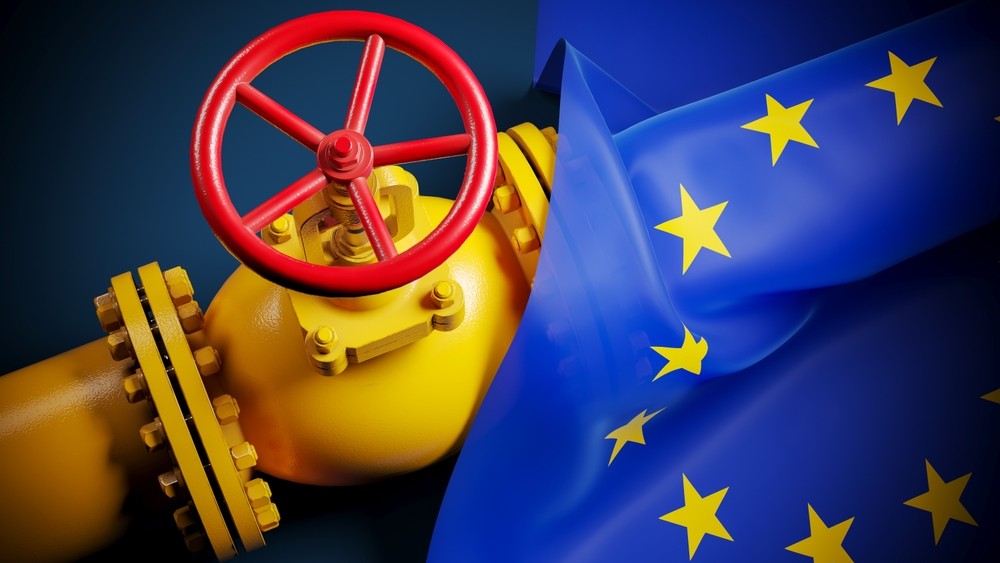
The European Commission has recommended that EU member states suspend enforcement penalties for oil and gas companies that violate the bloc’s methane emissions regulations for a three-year period. This guidance came in response to mounting pressure from the United States, Qatar, and various EU governments concerned about energy supply security.
The enforcement suspension is tied to geopolitical developments affecting global energy markets, particularly the closure of the Strait of Hormuz since February. This critical shipping corridor, which typically handles approximately 20 percent of global petroleum and gas supplies, has been largely blocked following recent military tensions in the Middle East. EU officials cited these circumstances as justification for the temporary waiver, arguing that strict methane rules could impede the nation’s ability to secure necessary fuel imports starting in January 2027.
The EU’s methane emissions framework, adopted in 2024, represented a pioneering regulatory approach designed to measure and verify emissions in the energy sector as part of broader climate change mitigation efforts. Methane is the second-most significant contributor to atmospheric warming, with the energy sector responsible for over one-third of human-caused methane emissions. Companies failing to comply with the rules would have faced fines reaching up to 20 percent of annual revenue.
Environmental advocates have criticized the decision, arguing that a temporary penalty waiver effectively provides a grace period for methane-intensive gas imports without addressing underlying concerns. Climate Action Network Europe and similar organizations contended that member states should implement robust compliance mechanisms rather than defer enforcement. Some observers suggested that phased implementation could balance energy security with climate objectives.
The Commission’s move reflects broader tensions within EU climate policy, as the bloc simultaneously considers modifications to its emissions trading system that would extend compliance deadlines for certain industries. These proposed changes have raised concerns among environmental groups that the EU’s climate leadership position may be compromised by competing economic and geopolitical pressures.
Article Attribution | Read More at Article Source
Article summary produced by Claude AI