
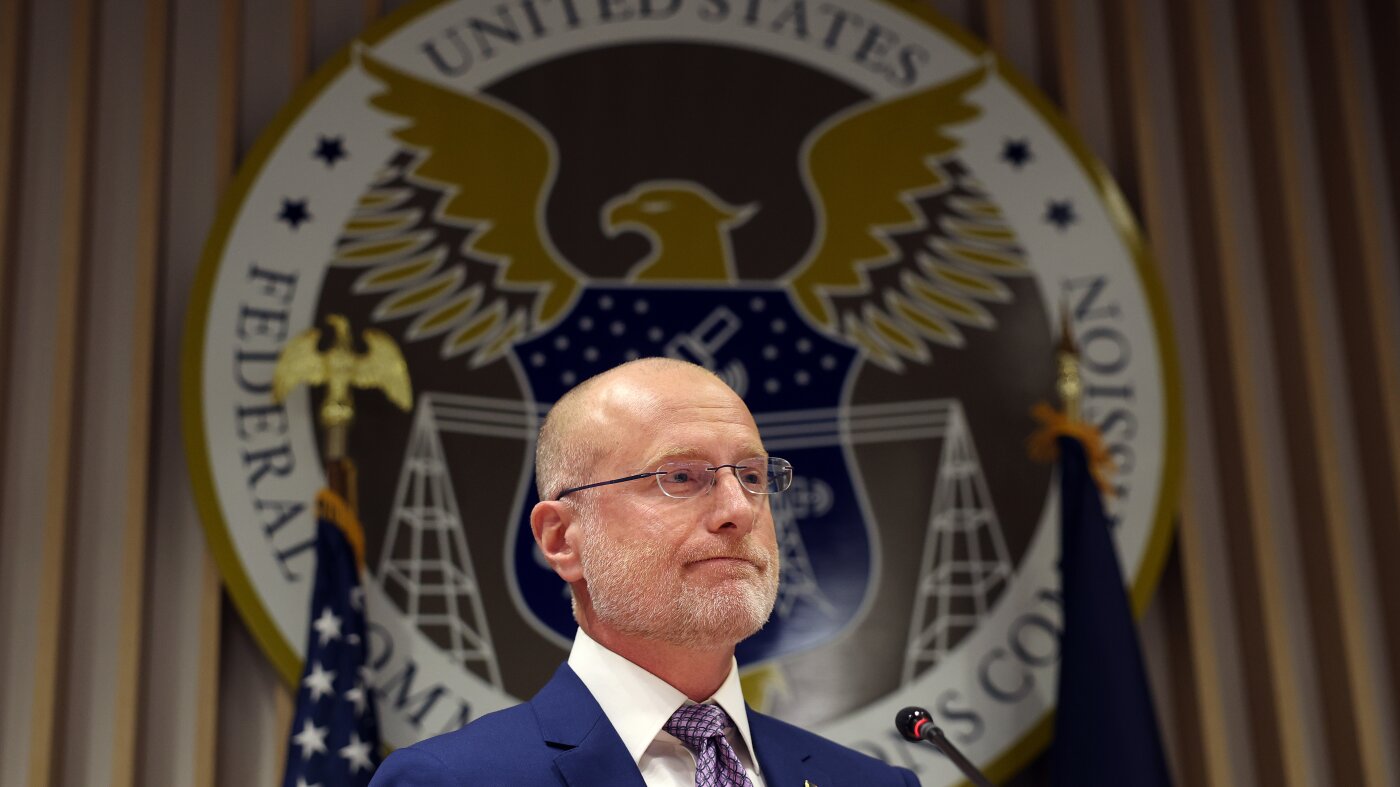
The Federal Communications Commission has initiated a comprehensive review of the E-Rate program, a decades-old initiative that provides discounted internet access to public schools, libraries, and some private institutions. Created by Congress in 1996, the program has facilitated a dramatic expansion in school connectivity, increasing from just 14 percent of schools and libraries with internet access at its inception to nearly 100 percent today.
FCC Chairman Brendan Carr announced the review in late June, citing concerns about excessive screen time among children as a primary justification. The agency’s proposed rulemaking specifically mentions the need to “better protect children when using E-Rate-funded networks, including to limit screen time.” This reasoning has surprised some observers, given that the program has historically maintained bipartisan support and, according to the FCC’s own metrics, operates effectively. The review comes amid a broader national conversation about technology’s role in education, with several states including Alabama, Tennessee, Utah, and Virginia recently passing legislation to reevaluate classroom technology usage.
Educators and school administrators have expressed significant concern about potential funding reductions. District leaders emphasize that internet connectivity is essential for basic operational functions including attendance tracking, bus route monitoring, and state-mandated online testing. In rural and remote areas, the challenge is particularly acute. Alaska Gateway School District, serving fewer than 400 students across six schools in a region where some students require air transport during winter months, spends more than half a million dollars annually on internet access. Superintendent Patrick Mayer has stated that losing E-Rate funding would necessitate staff reductions and service cuts.
While legal experts note that the FCC likely cannot fully eliminate the program due to its codification in the Telecommunications Act of 1996, there is concern that regulatory changes could make the application process sufficiently burdensome to discourage participation. Advocates focused on digital safety have suggested that addressing screen time concerns need not involve defunding critical infrastructure. The public comment period for the review is expected to begin following official publication of the notice of proposed rulemaking, allowing stakeholders 60 days to submit input before the FCC proceeds with its evaluation.
Article Attribution | Read More at Article Source
Article summary produced by Claude AI