

Researchers at the University of California, Riverside have identified potential global climate impacts from the continuing decline of the Atlantic Meridional Overturning Circulation, a vast system of ocean currents that influences weather patterns across multiple continents. The AMOC functions as a planetary conveyor belt, transporting warm tropical water northward to moderate temperatures in regions like Europe, then sinking and flowing southward along the ocean floor as the water cools and becomes denser.
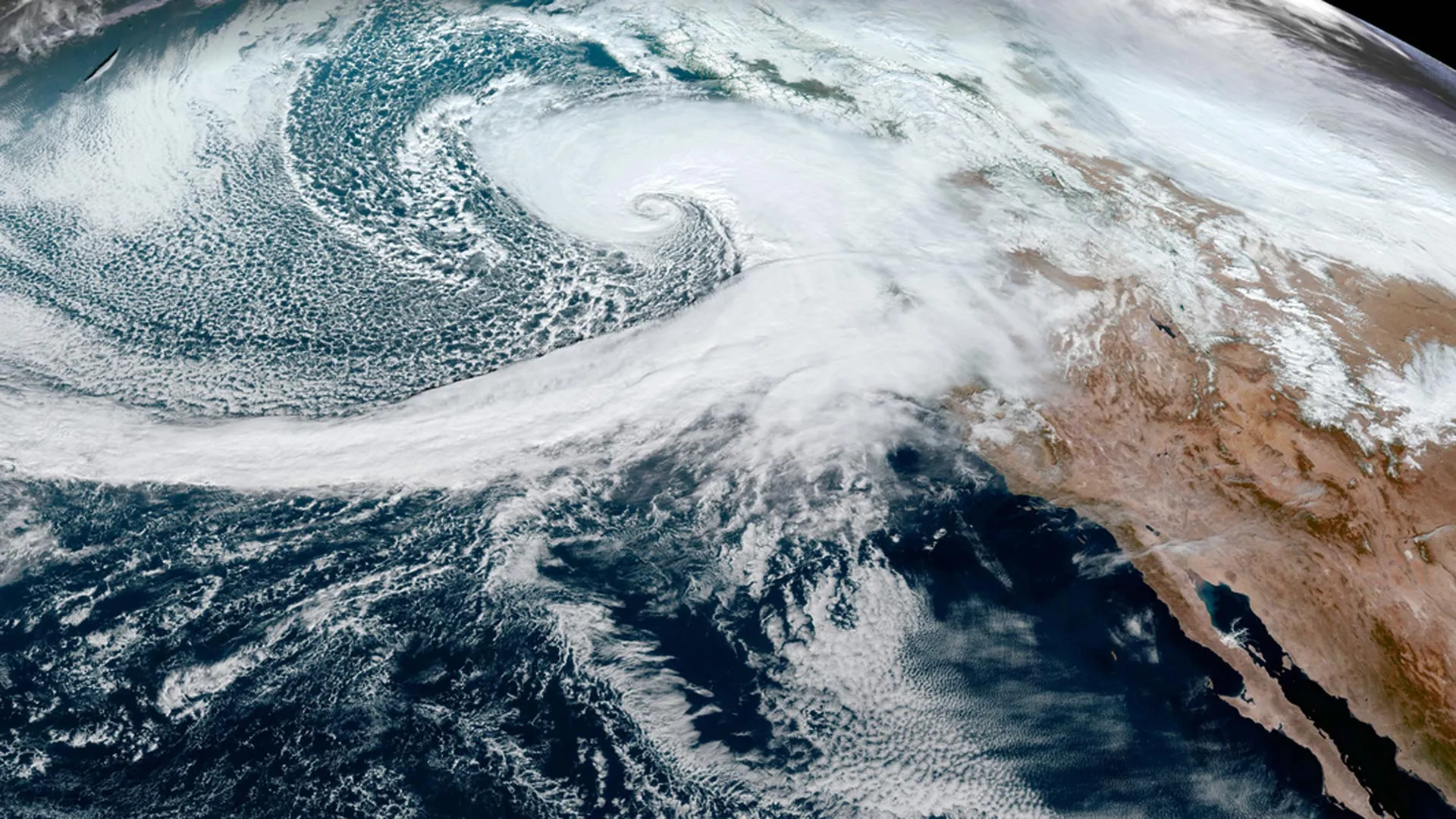
The study, led by doctoral student Mohima Mimi and published in Nature Communications, examined how a weakening AMOC could alter atmospheric conditions outside the Atlantic region. Findings indicate that reduced circulation strength could modify ocean temperatures in ways that increase atmospheric moisture capacity and intensify high-altitude winds that steer storms across the Northern Hemisphere. These stronger wind patterns would guide greater quantities of moisture toward the West Coast, potentially enhancing the intensity of atmospheric rivers that already supply significant portions of California’s water.
Atmospheric rivers present California with contrasting challenges and opportunities. While these long, narrow bands of water vapor provide essential water resources, they can also produce severe flooding and infrastructure damage when intensified. The research also projects increased atmospheric rivers along South America’s eastern coast and around Antarctica, while Greenland is expected to experience fewer storms and reduced snowfall under high greenhouse gas emissions scenarios.
The modeling suggests these changes will manifest if the AMOC continues its observed decline throughout the century as human-caused climate change raises global temperatures. Scientists have already detected signs of AMOC slowdown linked to rising global temperatures from greenhouse gas emissions. However, the research indicates that reducing emissions from fossil fuel combustion, livestock methane, deforestation, industrial activity, and waste could limit the current’s influence on future rainfall patterns and mitigate these effects.
The findings underscore interconnections within Earth’s climate system, where shifts in one major ocean current produce weather and precipitation changes thousands of miles away with consequences for ecosystems, water supplies, and communities across multiple continents.
Article Attribution | Read More at Article Source
Article summary produced by Claude AI