

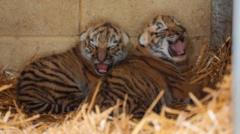
Longleat Safari Park in Wiltshire has welcomed the birth of twin Amur tiger cubs to parents Red and Yana, both experienced parents expecting their third litter. The cubs were born and the births were announced on International Tiger Day. The arrival represents an important development for conservation efforts surrounding the species, which faces critical endangerment with an estimated 450 individuals remaining in their natural habitats according to the International Union for Conservation of Nature.
Amy Waller, team manager at the safari park, described the births as a significant privilege, particularly noting that the cubs arrived during the 60th year of Longleat’s drive-through safari operations. Yana, recognized as an attentive mother with prior experience raising six cubs, is receiving supplementary nutrition to support lactation. The two cubs, currently two weeks old, have not yet been assigned names as their sex remains undetermined by keepers at this early stage.
The cubs will remain dependent on their mother’s milk for approximately six months before transitioning to solid meat-based nutrition. Keepers have not yet determined a timeline for public viewing, as the young tigers will require vaccinations before being introduced to their outdoor habitat. Yana has access to the Tiger Territory paddock and may relocate her offspring at any point during this developmental period.
With the addition of these twins, Longleat now houses seven tigers, constituting the largest tiger family group currently residing in the United Kingdom. The facility’s previous litter, born in May 2024, consisted of four female cubs that were subsequently named through public participation. Three offspring from Red and Yana’s earlier litters have been transferred to other wildlife collections as participants in the European Endangered Species Programme, which works to maintain genetically diverse captive populations. Amur tigers, also known as Siberian tigers, encounter multiple threats in their natural range, including poaching, habitat destruction from forest fires, and logging operations. Their small founding population in the wild has resulted in limited genetic diversity, making them particularly susceptible to disease and environmental pressures.
Article Attribution | Read More at Article Source
Article summary produced by Claude AI