

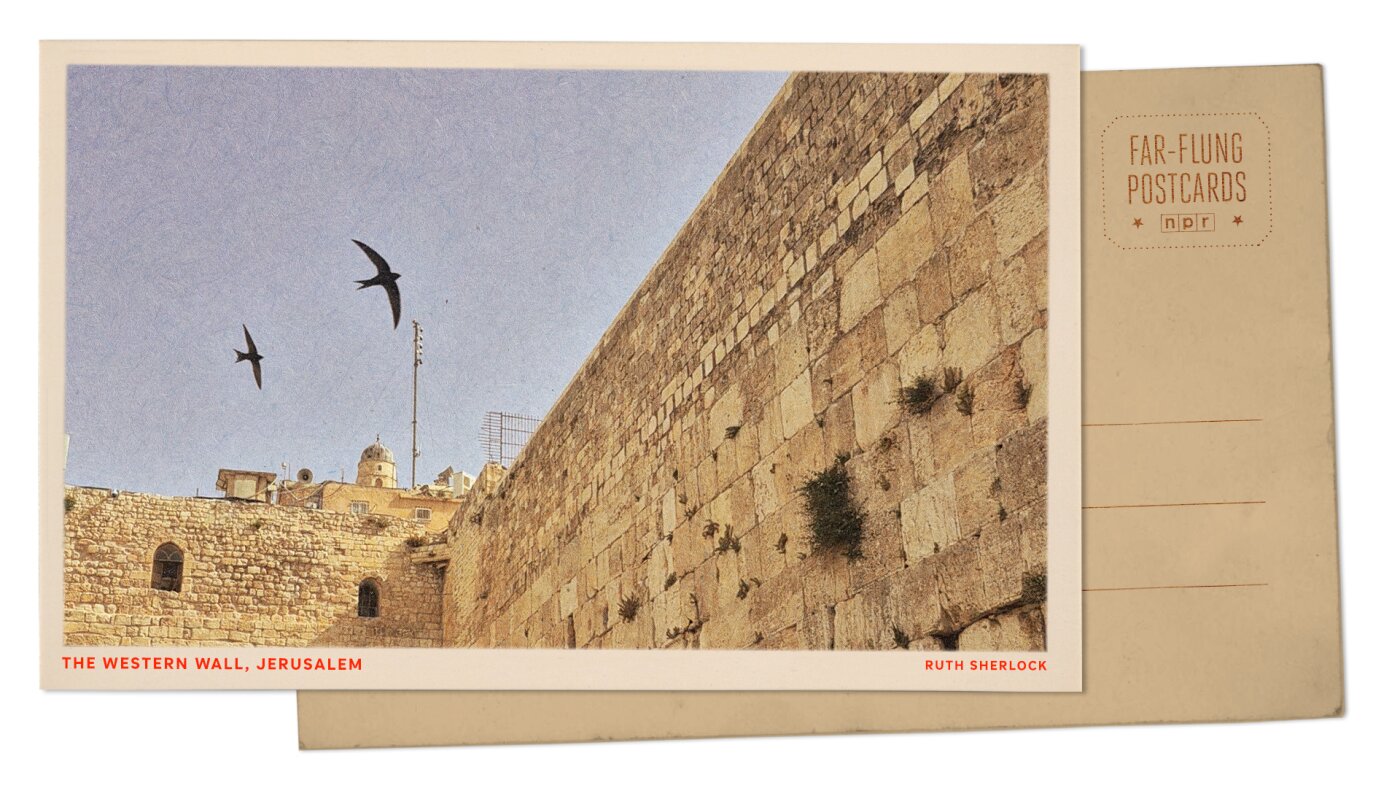
A correspondent recently traveled to Jerusalem to report on common swifts, birds that have maintained nesting colonies at sacred sites including the Western Wall for millennia. The species has developed a long-standing relationship with the city’s human inhabitants, with their calls and presence becoming woven into the daily experience of worshippers and residents alike.
These highly migratory birds undertake journeys spanning thousands of miles annually, returning to the same locations where they reunite with lifelong mates to breed. During a recent spring visit, the nesting sites at the Western Wall contained dozens of active nests, demonstrating the species’ continued presence in the city.
However, swifts face mounting pressures from multiple directions. In Israel this year, missile strikes disrupted established nesting habitats. Additionally, the species is experiencing broader population declines across Europe, driven largely by changes in building practices and urban development that eliminate suitable nesting locations. Modern construction methods, including widespread use of smooth glass structures and sealed residential homes, have significantly reduced the cracks, crevices, and cavities that swifts require for breeding.
Conservation efforts remain accessible and straightforward, requiring only basic interventions such as installing wooden nesting boxes or incorporating hollow bricks into building designs. When nesting successfully, swifts exhibit distinctive group behavior characterized by high-speed aerial maneuvers and vocalizations so pronounced they are termed “screaming parties.” These displays serve multiple functions, including encouraging young birds to fledge and leave the nest.
Article Attribution | Read More at Article Source
Article summary produced by Claude AI