

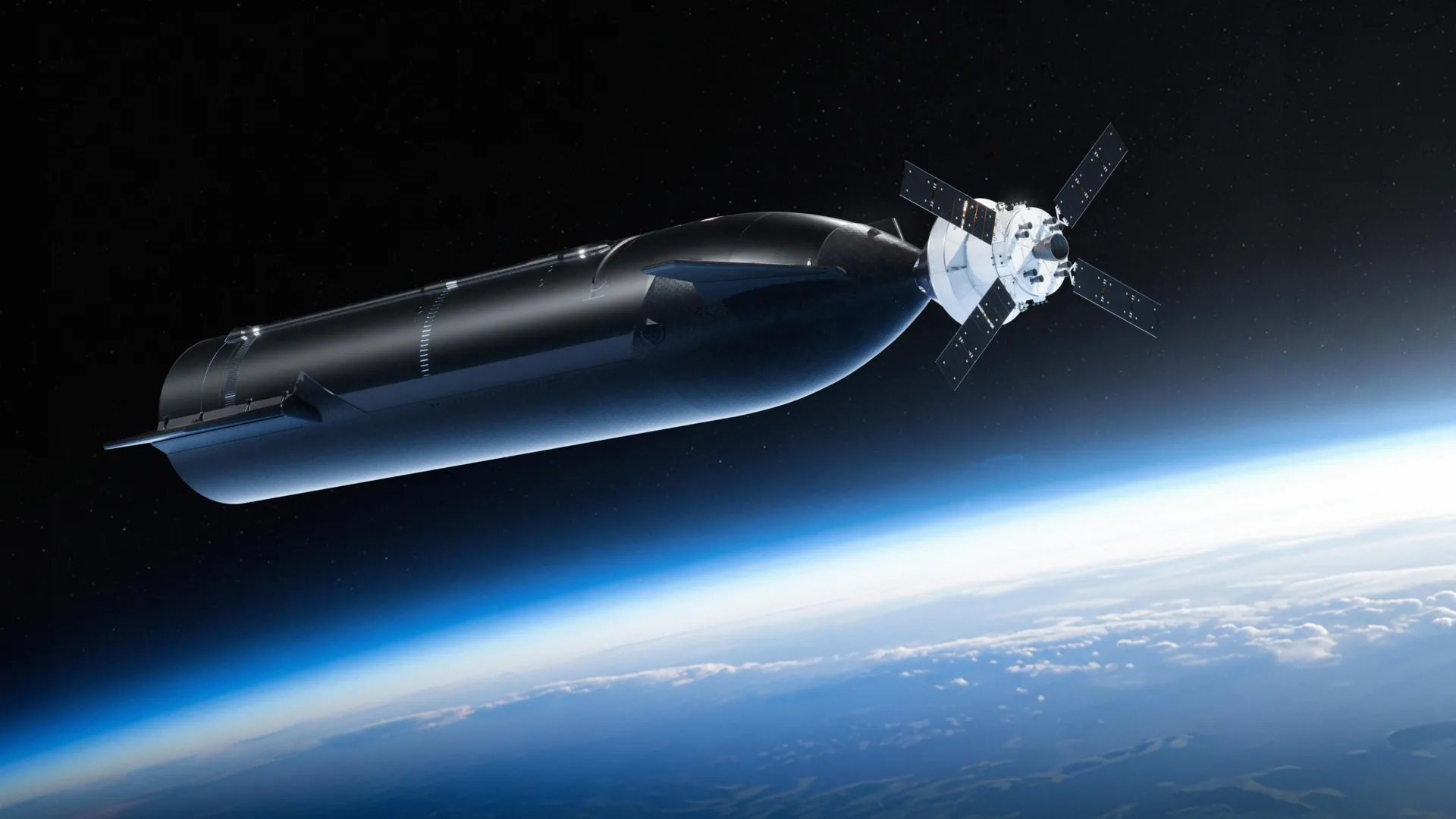
NASA is preparing for future astronaut lunar landings through the Artemis III demonstration mission scheduled for 2027. During this orbital rehearsal, crews in space and ground teams will conduct rendezvous and docking operations between the Orion spacecraft and commercially developed lunar landers. The data gathered from Artemis III, combined with information from future uncrewed demonstrations near the Moon, will enable NASA to enhance astronaut safety and reduce risks before crewed lunar landings commence in 2028.
NASA has partnered with SpaceX and Blue Origin to develop human landing systems. For Artemis III, both companies will launch test versions of their landers using commercial rockets. The test articles will be based on hardware planned for later crewed missions. SpaceX’s test article will use Starship Version 3, currently under construction, equipped with a docking system on the nose. Blue Origin’s test lander will be based on its Mark 2 crew lander architecture and will include major avionics, flight software, and control systems. Up to two Artemis III astronauts will board the Blue Origin test lander, while remaining inside Orion during the SpaceX test phase.
The mission will involve launching three of the world’s most powerful rockets within a relatively short period. Blue Origin’s test lander is expected to launch first and remain in a designated parking orbit for up to 30 days. After inspections and tests, NASA’s SLS rocket will carry Orion from Launch Complex 39B at Kennedy Space Center. SpaceX will then send its Starship test article into orbit. This rapid succession of launches will test ground processing systems, facilities, and mission operations across multiple U.S. sites.
During each docking sequence, the lander prototype will serve as the target while Orion acts as the chaser spacecraft—the same arrangement planned for future lunar missions. The two landers will connect to Orion differently: Orion will dock to the side of Blue Moon near its crew cabin, while the nose-to-nose connection will occur with the much larger Starship. NASA and its commercial partners will study how the spacecraft hardware and software work together, examining movement and behavior of each combined configuration in space. Jeremy Parsons, Artemis program manager, described Artemis III as “one of the most complex and ambitious missions NASA has ever undertaken,” noting that the demanding launch sequence and mission operations will provide valuable preparation for future dual launch campaigns to the Moon.
Article Attribution | Read More at Article Source
Article summary produced by Claude AI