

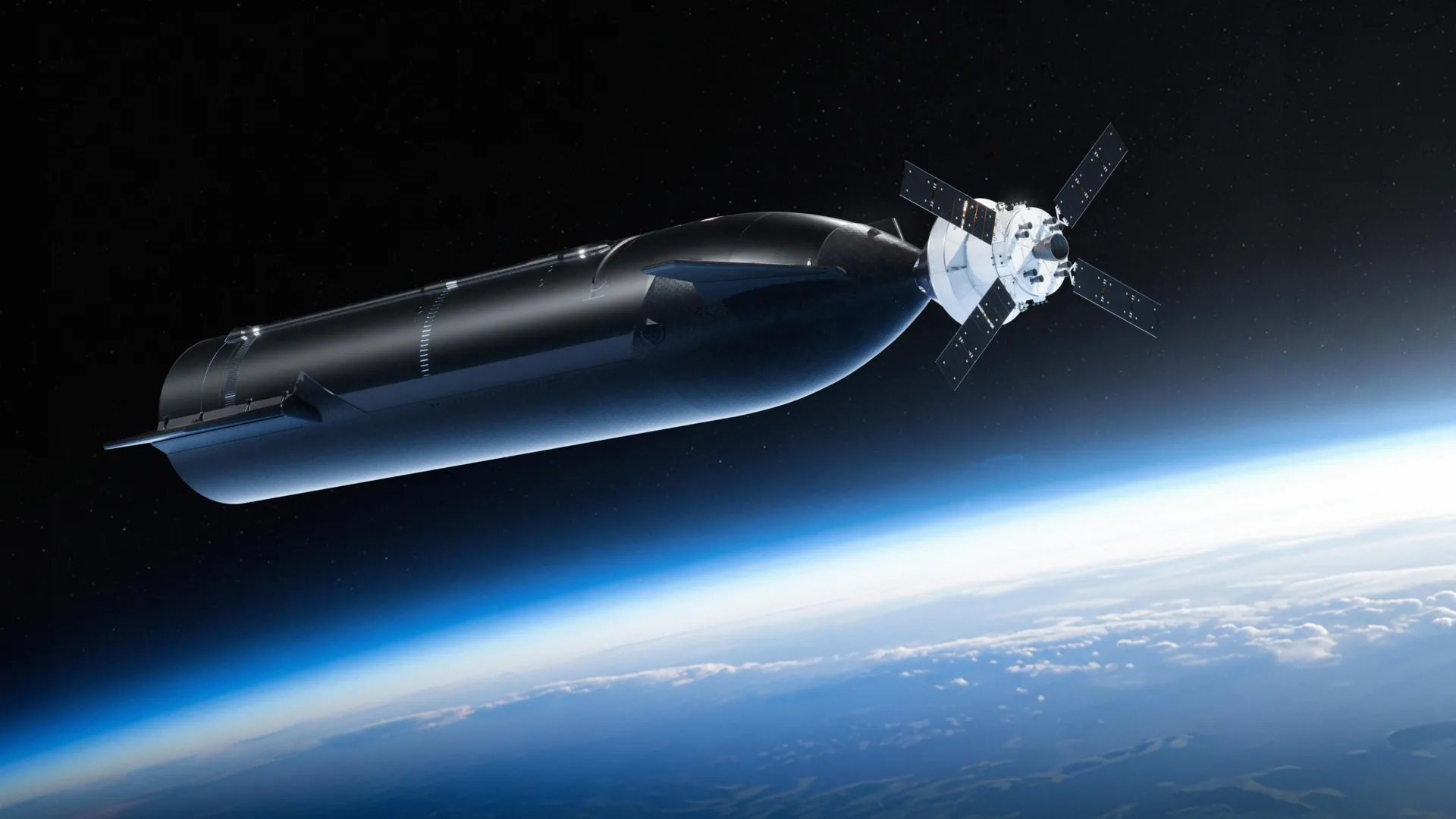
NASA is planning an orbital demonstration mission designated Artemis III, scheduled for 2027, to test rendezvous and docking operations between the Orion spacecraft and commercially developed lunar landers. This rehearsal will provide critical data to enhance astronaut safety and mitigate risks ahead of crewed lunar landings set to begin in 2028.
SpaceX and Blue Origin have been selected as partners to develop human landing systems for the Artemis program. For Artemis III, both companies will launch test versions of their landers using commercial rockets, while astronauts will travel separately to low Earth orbit aboard Orion on NASA’s Space Launch System. SpaceX’s test article will be based on Starship Version 3 and will feature a docking system on its nose, allowing for nose-to-nose connection with Orion. Blue Origin’s Blue Moon test lander will incorporate major avionics, flight software, and control systems relevant to future crewed operations. Up to two Artemis III astronauts will enter the Blue Origin test lander to evaluate the crew cabin and related systems.
The mission architecture requires three of the world’s most powerful rockets to launch in rapid succession, testing launch crews, ground processing systems, and coordination across multiple U.S. sites. Blue Origin’s lander will launch first and wait in a designated parking orbit for up to 30 days, allowing teams to inspect and test the spacecraft before SLS and Orion lift off from Kennedy Space Center’s Launch Complex 39B. SpaceX’s Starship will then launch for the second phase of testing. Both landers have undergone ground testing of their docking systems, with SpaceX completing its qualification in 2023 and Blue Origin conducting developmental tests earlier this year.
During the mission, each lander prototype will serve as a target while Orion acts as the chaser spacecraft, a configuration NASA plans to replicate on future lunar missions. The testing will examine how Orion and the commercial landers coordinate their software to reach precise locations and how their hardware operates together in space. This dual launch campaign rehearsal will provide essential operational experience for the complex mission architecture planned for subsequent crewed lunar expeditions.
Article Attribution | Read More at Article Source
Article summary produced by Claude AI