

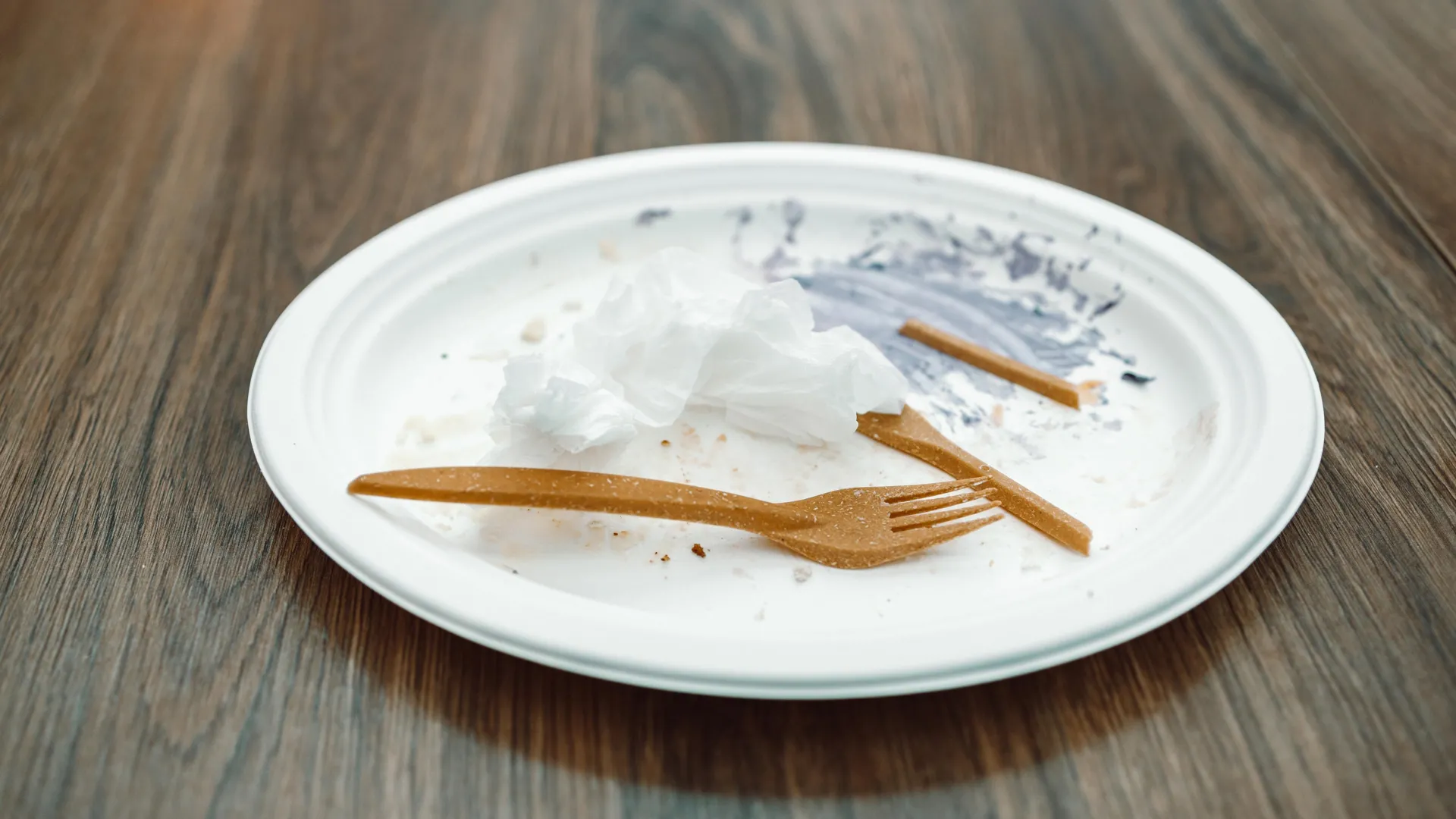
Scientists have engineered a new type of plastic material designed to decompose on command, addressing the environmental challenge posed by conventional plastics that can persist for centuries despite brief periods of use. The innovation, detailed in a study published in ACS Applied Polymer Materials, incorporates dormant microorganisms into the plastic structure that can be activated to trigger complete degradation.
The research team embedded Bacillus subtilis spores into polycaprolactone, a polymer commonly used in three-dimensional printing and certain surgical sutures. The bacteria were engineered to produce two complementary enzymes capable of breaking down polymers. The first enzyme cuts long polymer chains at random intervals into shorter segments, while the second enzyme works from the ends of these fragments to reduce them further into their constituent monomer components. This two-stage enzymatic process proved more efficient than previous designs relying on single enzymes, preventing the formation of microplastics during decomposition.
When activated by exposure to nutrient broth heated to 50 degrees Celsius, the bacterial spores became active and initiated the degradation process. Testing demonstrated that the living plastic remained functional and durable under normal conditions before activation, with mechanical properties comparable to standard polycaprolactone films. Complete decomposition occurred within six days, with the material fully reduced to basic building blocks without leaving harmful microplastic fragments.
To test practical applications, the research team fabricated a wearable plastic electrode from the material that functioned correctly and fully degraded within two weeks following activation. The researchers plan to extend this technology by developing activation methods suitable for aquatic environments, where substantial plastic pollution accumulates. The team also believes the approach could be adapted for other polymers commonly used in disposable products, potentially offering a broader solution to plastic waste management challenges.
Article Attribution | Read More at Article Source
Article summary produced by Claude AI