

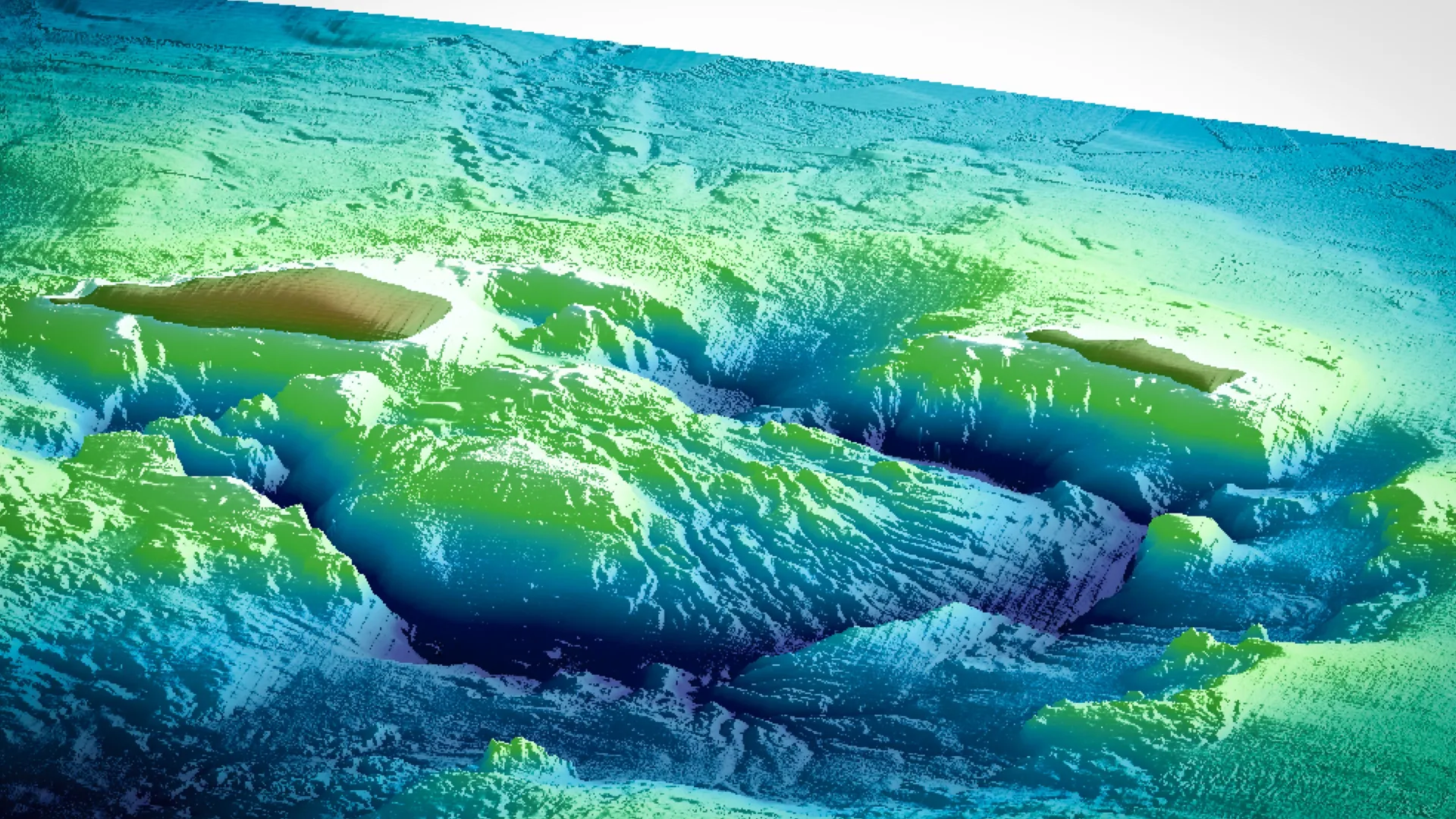
Researchers from Kobe University have identified a large magma reservoir beneath Japan’s Kikai caldera that appears to be refilling with molten material. The caldera, located south of Japan and mostly submerged underwater, experienced one of the Holocene epoch’s largest known volcanic eruptions approximately 7,300 years ago. Calderas are broad depressions that form when massive eruptions deplete underground magma supplies, causing the ground above to collapse. The scale of such events is enormous—the magma involved in Kikai’s ancient eruption could have covered all of Central Park to a depth of 12 kilometers.
Scientists have struggled to understand how giant caldera systems accumulate such vast quantities of magma and what conditions precede their catastrophic eruptions. Prominent examples include Yellowstone in the United States, Toba in Indonesia, and Kikai. The underwater location of Kikai, while presenting challenges, actually enabled researchers to conduct systematic surveys across the entire volcanic structure. Working with the Japan Agency for Marine-Earth Science and Technology, the Kobe University team used controlled seismic pulses generated by airgun arrays and ocean-floor seismometers to map underground rock composition and identify regions containing partially molten material.
Published findings in Communications Earth & Environment revealed a substantial magma-rich region directly beneath the section of Kikai responsible for the ancient eruption. Analysis indicates this reservoir occupies the same underground system that fed the 7,300-year-old event. However, the magma has not simply remained dormant since then. Chemical studies of a lava dome that has been forming near Kikai’s center for roughly 3,900 years show that recent volcanic material differs significantly from magma released during the ancient eruption, suggesting new molten material has entered the system over time.
These findings support a model in which fresh magma gradually replenishes reservoirs beneath giant calderas following major eruptions. The research team notes that this magma re-injection model aligns with observations of large shallow magma reservoirs identified beneath other major caldera systems like Yellowstone and Toba. By studying how quickly new magma enters these systems, where it accumulates, and how it affects surrounding crust, scientists may improve their ability to distinguish routine volcanic activity from precursors to larger events. The discovery does not indicate an imminent eruption at Kikai but demonstrates that the underground system remains active and continues receiving new magma supplies.
Article Attribution | Read More at Article Source
Article summary produced by Claude AI