

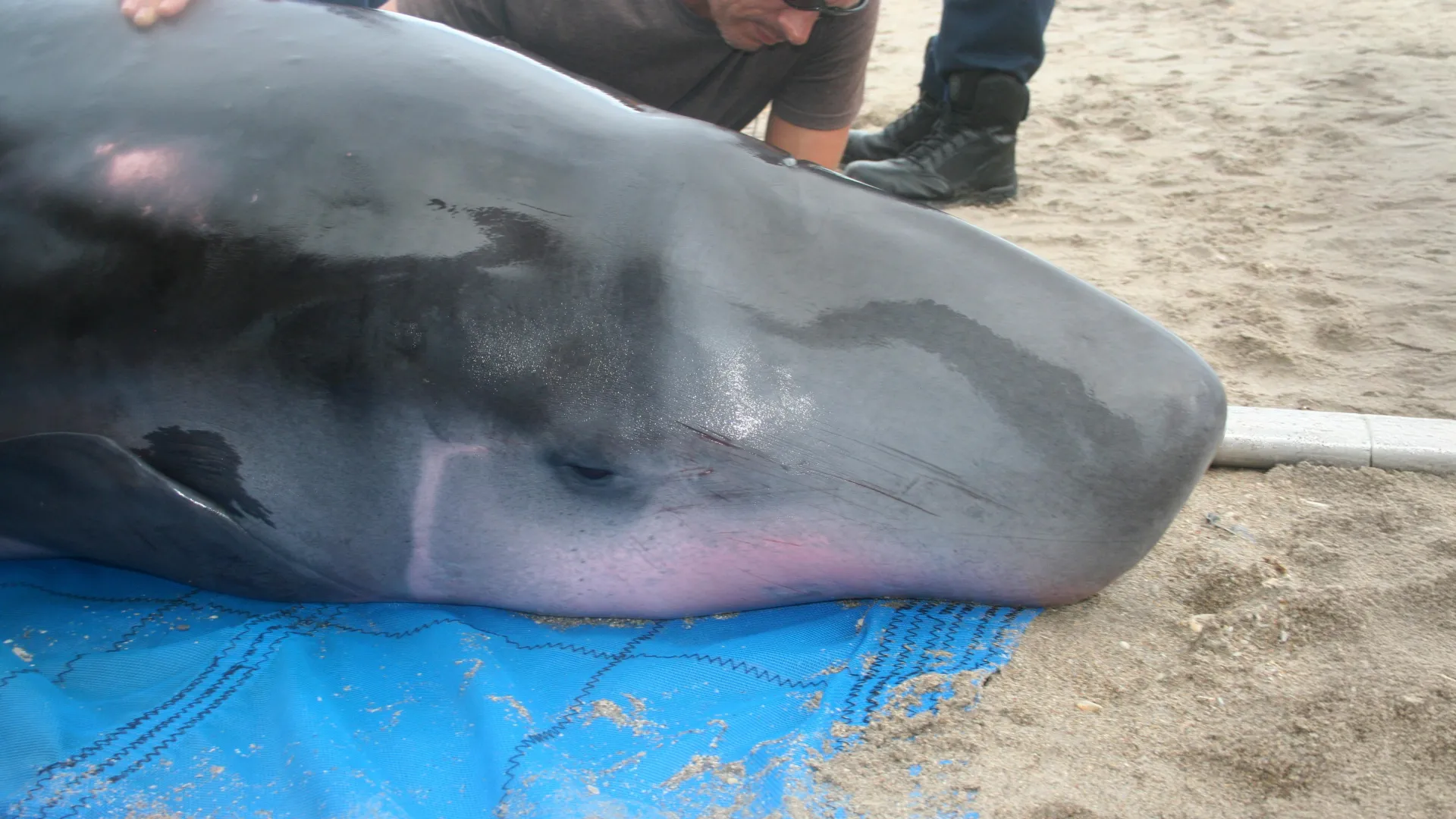
Researchers at Florida Atlantic University’s Harbor Branch Oceanographic Institute have documented three new Helicobacter bacterial genotypes in pygmy sperm whales, marking the first confirmed discovery of these bacteria in the species. The findings emerged from a comprehensive review of stranding records and preserved tissue samples spanning from 1999 through 2020, during which the institute responded to 59 pygmy sperm whale strandings. Post-mortem examinations were conducted on approximately 80 percent of those animals.
The three newly identified genotypes were designated Kogia Helicobacter 1, 2, and 3. Two of these genotypes share genetic similarities with known Helicobacter species previously found in other cetaceans such as dolphins and porpoises, as well as in humans. However, Kogia Helicobacter 3 represents a more divergent lineage, suggesting the existence of numerous undiscovered bacterial species in ocean environments. Scientists isolated spiral-shaped bacteria from stomach tissue in four whales and conducted further analysis using histopathology, molecular testing, and DNA sequencing to identify the genotypes.
All four whales that tested positive for Helicobacter exhibited clear signs of gastrointestinal disease, including gastritis, gastric ulcers, fibrosis, and nematode infestations. One whale also showed evidence of colitis, suggesting the infection may extend beyond stomach tissue. While researchers did not establish Helicobacter as a direct cause of death in any of the cases, the consistent presence of digestive inflammation and tissue damage points to potential chronic illness contributions from bacterial infection.
The discovery raises broader questions about the health impacts of bacterial infections on marine wildlife populations. Because pygmy sperm whales are inherently difficult to study in their natural deep-ocean habitat due to their secretive behavior and small group sizes, the extent of bacterial infection prevalence remains unknown. Researchers acknowledged that further investigation is necessary to determine whether these infections contribute to strandings or population-level health problems, particularly for vulnerable whale species. The study was published in the Journal of Wildlife Diseases and involved collaboration among multiple institutions including the University of Florida’s College of Veterinary Medicine, Colorado State University, and Marine Mammal Pathology Services.
Article Attribution | Read More at Article Source
Article summary produced by Claude AI