

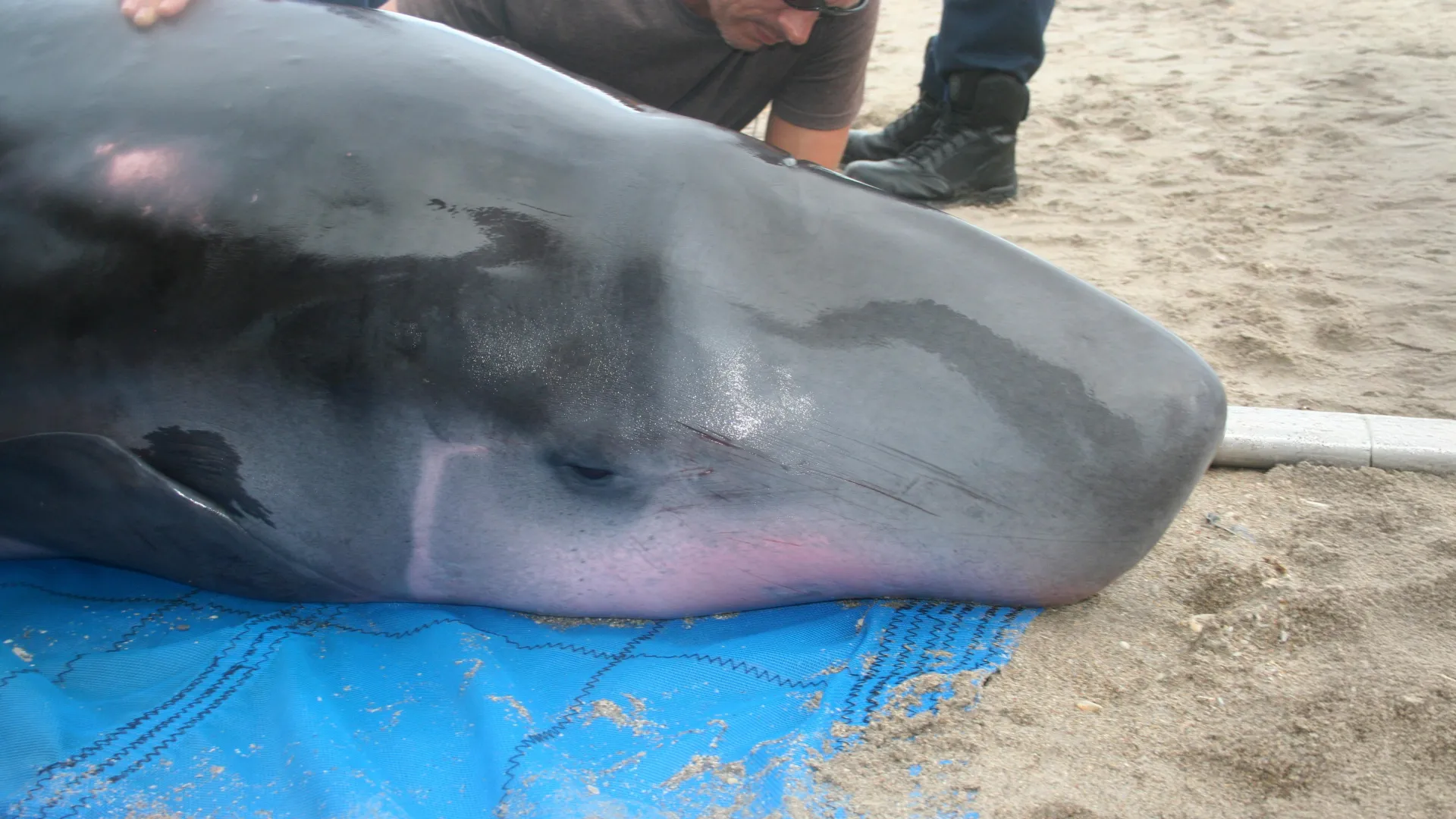
Researchers at Florida Atlantic University’s Harbor Branch Oceanographic Institute have identified three novel Helicobacter bacterial genotypes in pygmy sperm whales, marking the first confirmed documentation of these strains in the species. The findings were published in the Journal of Wildlife Diseases and represent a significant discovery about an elusive marine mammal that remains poorly understood due to its deep-diving, secretive nature and preference for remote ocean habitats.
The research drew on more than 20 years of stranding records and preserved tissue samples collected between 1999 and 2020, during which the institute responded to 59 pygmy sperm whale strandings. Post-mortem examinations were performed on approximately 80 percent of those animals. Scientists employed histopathology, molecular testing and DNA sequencing to analyze preserved stomach tissue samples, ultimately identifying the three previously unknown Helicobacter genotypes, which they designated as Kogia Helicobacter 1, 2 and 3. Two of these genotypes show genetic similarities to Helicobacter species previously identified in dolphins, porpoises and humans, while the third represents a more divergent lineage.
All four whales that tested positive for the bacteria exhibited clear signs of gastrointestinal disease, including gastritis, ulcers, tissue scarring and nematode infestations. While researchers did not conclude that Helicobacter directly caused any of the whales’ deaths, the consistent presence of these digestive complications suggests the bacteria may contribute to chronic illness. Helicobacter was first reported in marine mammals in 2000, and related bacteria have since been detected in several cetacean species worldwide, often associated with reduced energy levels, appetite loss and inflammation similar to human infections.
Scientists acknowledge that the prevalence and broader impacts of these newly identified bacteria remain unknown, as pygmy sperm whales are extremely difficult to study in their natural environment. The discovery raises concerns about potential population-level health consequences, particularly for already vulnerable whale populations. Researchers indicate that additional investigation is necessary to determine whether chronic infections contribute to strandings or broader population health problems. The study involved collaboration among institutions including the University of Florida’s College of Veterinary Medicine, Colorado State University and Marine Mammal Pathology Services.
Article Attribution | Read More at Article Source
Article summary produced by Claude AI