

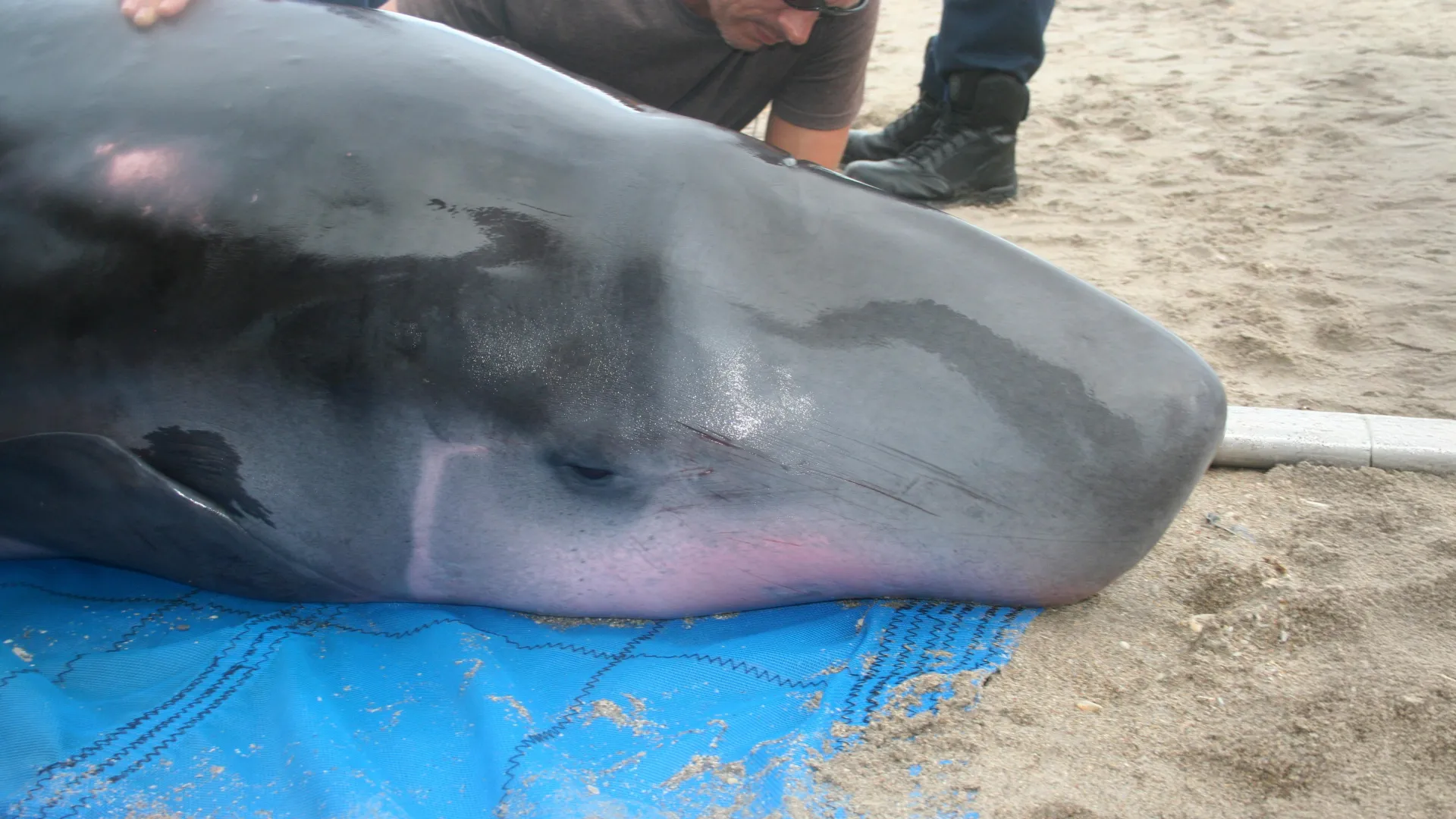
Scientists at Florida Atlantic University’s Harbor Branch Oceanographic Institute have documented three novel bacterial genotypes in pygmy sperm whales, marking the first confirmed discovery of these strains in the species. The findings emerged from a comprehensive analysis of stranding records and preserved tissue samples collected between 1999 and 2020, during which the institute responded to 59 strandings of the elusive marine mammals. The research team named the newly identified bacteria Kogia Helicobacter 1, 2 and 3, with results published in the Journal of Wildlife Diseases.
The three genotypes were discovered through post-mortem examinations of stranded whales, with four animals showing the presence of spiral-shaped bacteria in stomach tissue. Molecular testing and DNA sequencing revealed that two of the genotypes share genetic similarities with Helicobacter species previously identified in other cetaceans and humans, while the third represents a more divergent lineage. This variation suggests a broader diversity of undiscovered bacterial species exists in ocean environments than currently understood.
All four whales found to carry the novel bacteria exhibited signs of gastrointestinal disease, including gastritis, ulcers, tissue scarring and inflammation. While Helicobacter was not definitively listed as a cause of death in any of the cases, the consistent presence of digestive damage indicates the bacteria may contribute to chronic illness. Since its first documentation in marine mammals in 2000, related Helicobacter bacteria have been detected in multiple cetacean species worldwide and linked to symptoms including appetite loss, regurgitation and stomach inflammation.
Researchers acknowledge significant knowledge gaps regarding the extent of infection among pygmy sperm whale populations and the long-term health impacts of these bacterial infections. Additional testing is planned to determine whether chronic infections contribute to strandings or broader population-level health issues. The project involved collaboration among institutions including the University of Florida’s College of Veterinary Medicine, Colorado State University and Marine Mammal Pathology Services, with funding from the Florida State Specialty License Plate Program’s “Protect Florida Whales” grant.