

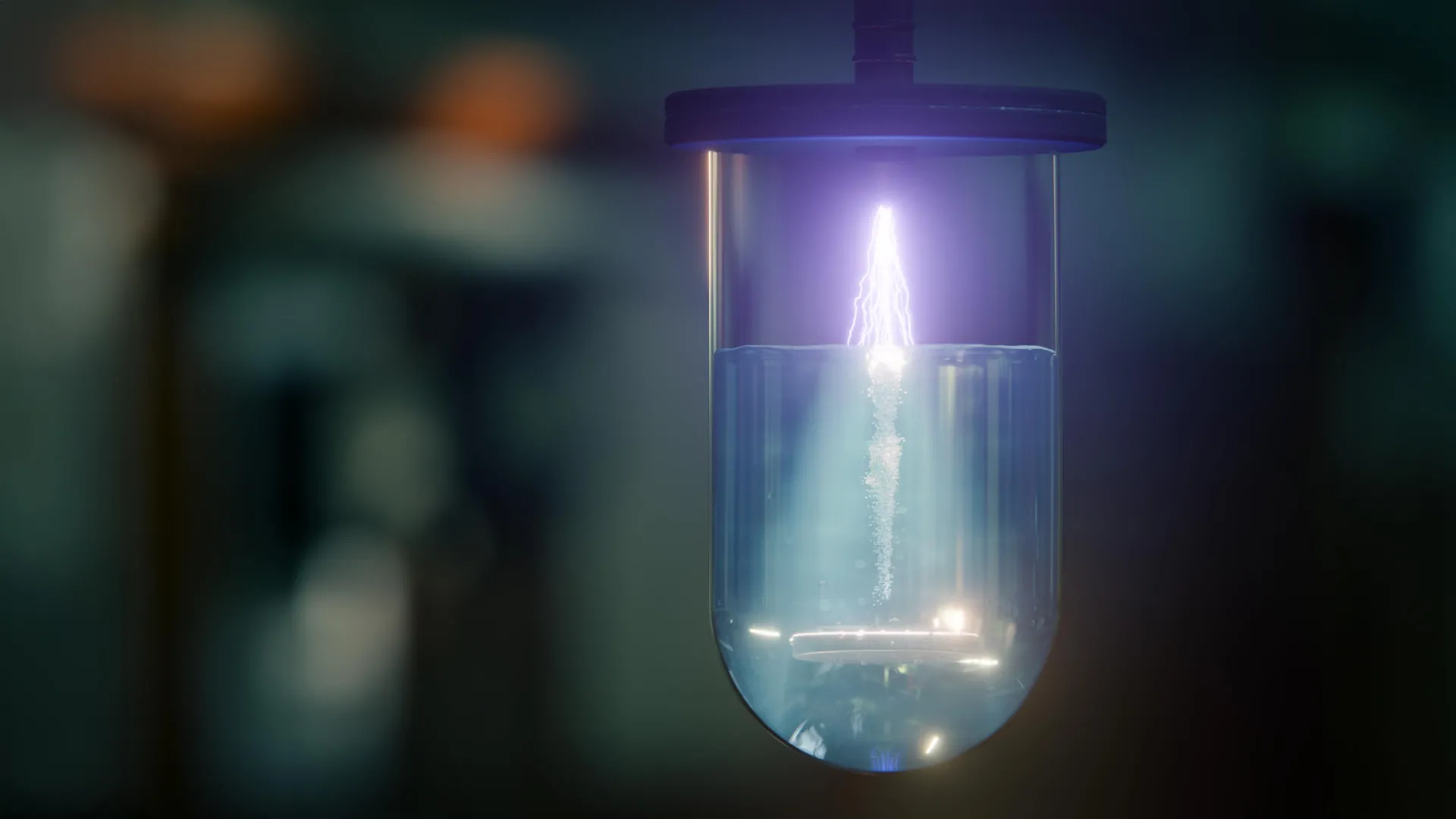
Scientists at the Helmholtz-Zentrum Dresden-Rossendorf are advancing two distinct methods to degrade per- and polyfluoroalkyl substances, a class of industrial chemicals that resist natural breakdown. The first technology employs hydrodynamic cavitation, which generates microscopic vapor bubbles that collapse under pressure, exposing attached PFAS molecules to extreme temperatures and reactive hydroxyl radicals. The second approach combines cold atmospheric plasma with gas dispersion, operating under ambient conditions without requiring external catalysts or chemical additives.
PFAS compounds present significant environmental and health challenges due to their exceptional durability. The carbon-fluorine bonds that give these chemicals their stability are among the strongest in organic chemistry, earning them the designation “forever chemicals.” More than 10,000 varieties exist, with some suspected of causing genetic damage and elevating cancer risk. These substances have contaminated water systems globally, including recently detected high concentrations in the Elbe River.
Preliminary results from both approaches show degradation capacity, though with different characteristics. The cavitation method degraded approximately 37 percent of dissolved PFOS molecules while steadily increasing fluoride concentration in the water. The plasma treatment demonstrated faster reaction kinetics, almost completely degrading both long-chain and short-chain PFAS and releasing about 35 percent of originally bound fluorine atoms. However, the plasma method consumes considerably more energy and generates transformation products requiring further safety evaluation.
Researchers are scaling up the plasma system from 50 milliliters to five-liter volumes and exploring hybrid approaches. The longer-term objective involves combining both technologies into a unified system that leverages the reactive species produced by plasma alongside cavitation effects. Successful development could enable industries to treat contaminated wastewater before discharge into natural water systems, supporting Germany’s National Water Strategy objectives of protecting water resources and securing drinking water supplies.