

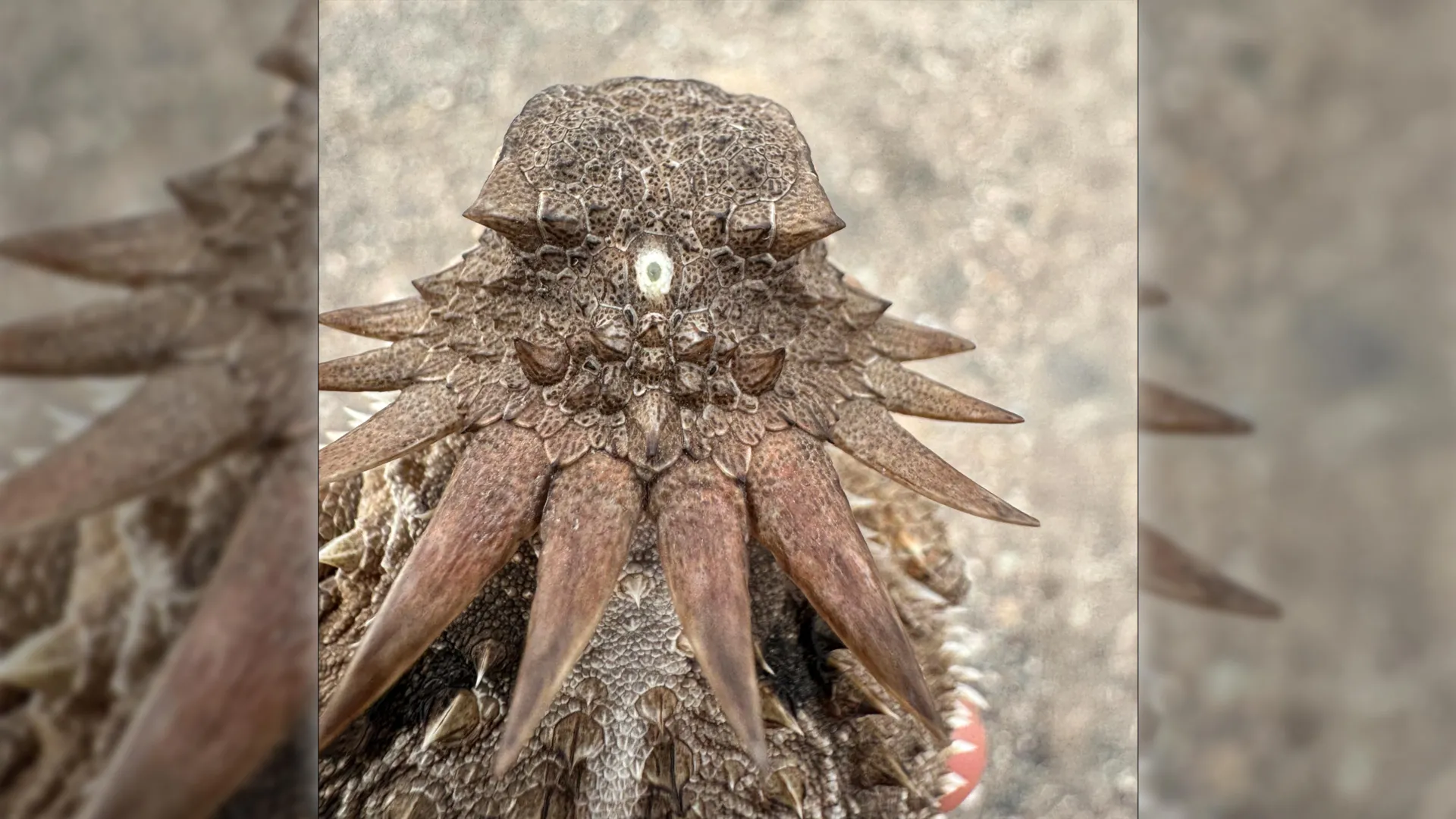
Researchers from Lund University and the University of Sussex have presented findings suggesting that the earliest vertebrate ancestor possessed a single centered eye similar to that of a mythological cyclops. This creature, a small worm-like organism inhabiting ancient oceans nearly 600 million years ago, represented a significant departure from the typical paired-eye structure found in many animals. The team theorizes that this ancestral being originally possessed two eyes or light-detecting cell groups but gradually lost them as it adopted a sedentary lifestyle focused on filtering plankton from seawater.
With paired vision no longer necessary for survival, the organism retained only a cluster of light-sensitive cells positioned centrally on its head, which developed into what researchers call a median eye. This primitive structure likely lacked the ability to form detailed images but may have assisted the creature in distinguishing between day and night and determining vertical orientation in its aquatic environment. The median eye represented an evolutionary compromise suited to the animal’s stationary existence.
According to the research, descendants of this ancient creature eventually returned to active swimming, creating renewed biological pressure for advanced visual capabilities. The researchers propose that portions of the original median eye were repurposed through evolution, eventually contributing to the development of paired image-forming eyes characteristic of modern vertebrates. This unusual evolutionary pathway explains why vertebrate eyes differ substantially from those found in insects and squid, which evolved through entirely separate biological routes involving surface tissue rather than brain tissue.
Most remarkably, the study suggests that remnants of the ancient median eye persist within the modern vertebrate brain as the pineal gland. This small organ, located deep within the brain, maintains connections to the body’s light-response systems and produces melatonin, the hormone regulating sleep-wake cycles. The researchers conclude that the pineal gland’s role in maintaining circadian rhythms directly traces back to the light-sensitive capabilities of the cyclops-like ancestor from nearly 600 million years ago.
Article Attribution | Read More at Article Source
Article summary produced by Claude AI