

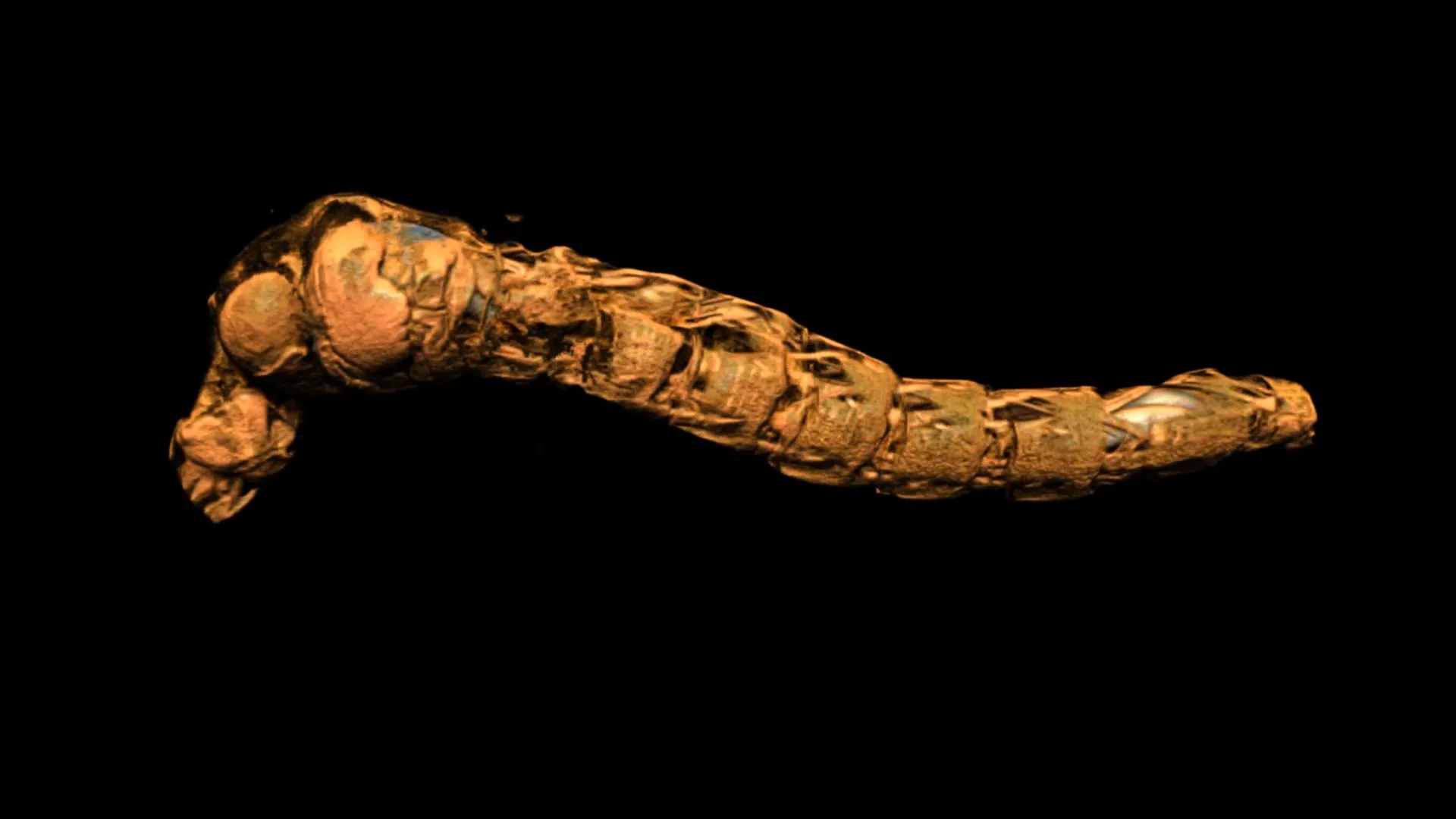
Researchers at UBC have documented an extraordinary adaptation in lake fly larvae inhabiting Lake Malawi in East Africa. The larvae, numbering in the billions, undertake a daily vertical migration that involves descending more than 200 meters into oxygen-depleted zones during daylight hours to avoid predators, then ascending toward the surface after dark to feed.
To better understand this behavior, scientists Philip Matthews and Evan McKenzie deployed sonar equipment on the lake floor to track the massive groups of organisms moving through the water column. Upon examining the larvae themselves, the researchers identified a sophisticated biological mechanism: the insects had adapted their respiratory system into two pairs of small air sacs that function similarly to submarine ballast tanks. The sacs contain resilin, a highly elastic material commonly found throughout the insect world. By altering the pH of the sac walls, the larvae can cause the resilin to expand or contract, thereby adjusting their buoyancy and controlling their position in the water.
To determine the limits of this system, researchers placed larvae in miniature pressure chambers and discovered that the air sacs could withstand pressures equivalent to depths exceeding 400 meters—substantially deeper than the larvae experience during their normal daily migrations. This finding has significant implications for understanding insect distribution across Earth’s ecosystems. The open ocean contains virtually no insects despite their tremendous success in terrestrial and freshwater environments. Scientists have long attributed this absence partly to the crushing pressures found at depth, but the resilience of these larvae’s air sacs suggests pressure may not be the complete explanation.
Beyond evolutionary considerations, the discoveries about resilin in these organisms may have practical applications. The material has long interested scientists because it behaves like an ideal biological rubber and is already utilized in other insects to create durable structures such as wing hinges and tendons. Researchers envision that the buoyancy mechanism identified in the lake fly larvae could eventually inform development of smart materials incorporating resilin, potentially leading to artificial muscles or other adaptive materials that respond to chemical pH changes.
Article Attribution | Read More at Article Source
Article summary produced by Claude AI