

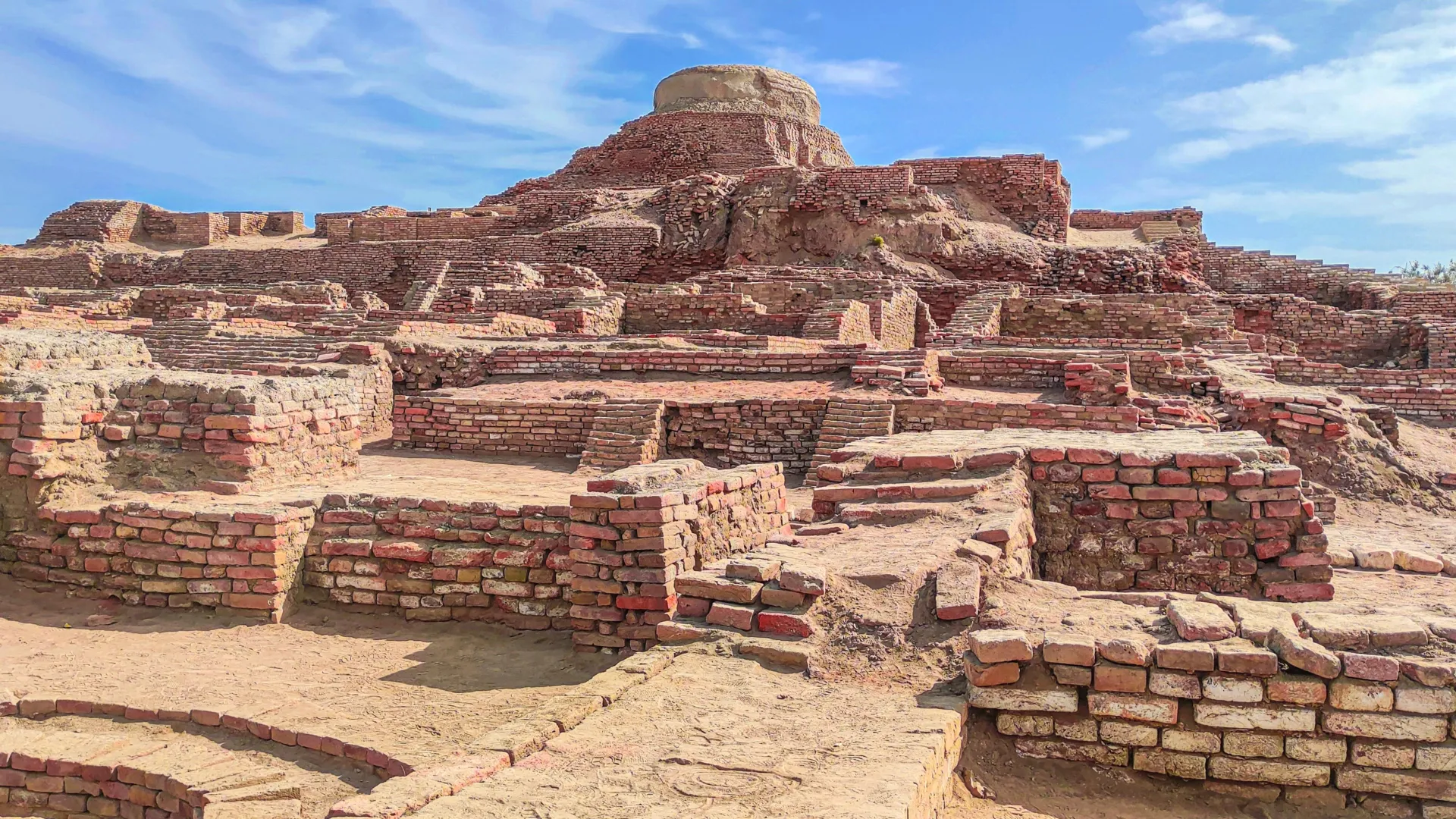
A study conducted by researchers at the University of York has found that Mohenjo-daro, the largest city of the Indus civilization, experienced a unique pattern of development distinct from other early urban centers. Rather than following the conventional trajectory observed in ancient societies, where urbanization typically led to increased economic inequality, Mohenjo-daro appears to have grown more egalitarian as it expanded and prospered.
The research examined variations in residential architecture throughout the city and discovered that the wealth gap between the largest and smallest homes narrowed over time. This trend stands in marked contrast to contemporary civilizations in Mesopotamia and ancient Greece, where urban development was accompanied by the emergence of pronounced class divisions and the concentration of resources among elite populations. By the city’s later periods, the disparity in housing wealth had diminished to levels comparable to those found in the earliest farming communities.
Mohenjo-daro’s infrastructure and urban planning reflect this commitment to shared prosperity. Rather than investing in monumental structures such as palaces or temples dedicated to rulers and religious authorities, the city prioritized practical amenities that benefited the general population. The settlement featured sophisticated brick-lined drainage systems and carefully organized street layouts that enhanced daily life for residents across all social levels. Archaeological evidence also indicates that Indus seals, which served as important instruments for commerce and administration, were typically found in ordinary households rather than concentrated in centralized public buildings.
Additional evidence supporting this interpretation includes the apparent absence of palaces where a centralized ruling authority could have monopolized power or resources. The discovery of standardized weights and measures throughout the region suggests that the city may have employed consistent commercial practices that promoted fair exchange among merchants and residents. These findings indicate that decision-making authority and access to resources may have been distributed more broadly throughout the population rather than concentrated in the hands of a small elite.
The research, published in the journal Antiquity, challenges the conventional historical assumption that economic growth and technological advancement necessarily require the concentration of power and resources among a privileged few. The Indus civilization presents an alternative model demonstrating that a highly productive and innovative urban society could sustain prosperity while maintaining relatively equitable distribution of wealth and influence among its inhabitants.
Article Attribution | Read More at Article Source
Article summary produced by Claude AI