

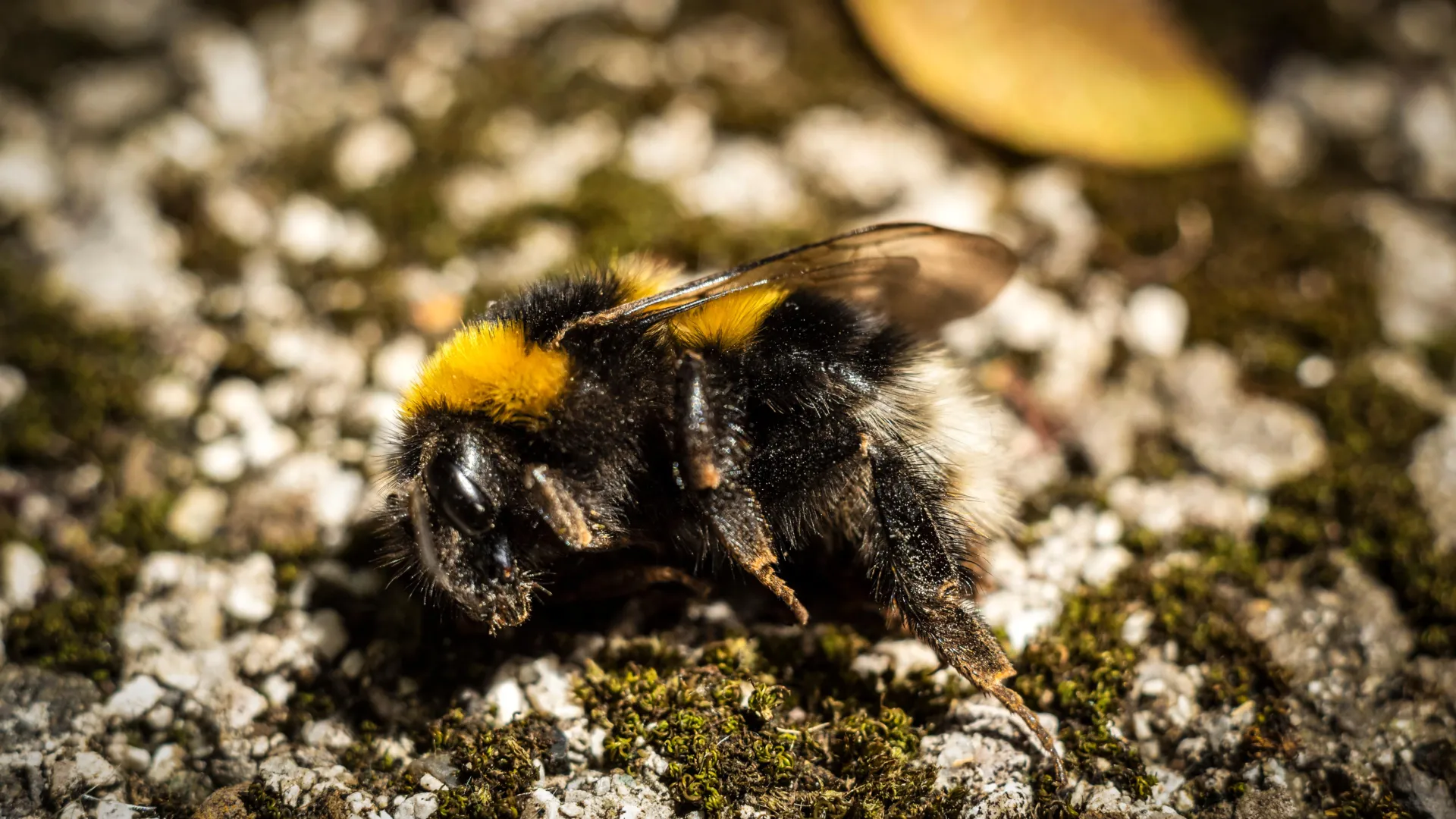
Residents may observe deceased bumblebees on pavements during warmer months, a phenomenon driven by multiple interconnected factors affecting bee survival and population health.
Bumblebees live in colonies with workers that have lifespans of 4-6 weeks. To prevent disease transmission within their communities, younger worker bees remove dead colony members and transport them away from the hive. Additionally, extreme temperatures significantly stress bee populations. June was the warmest on record in England in 2026, with further high temperatures anticipated during the summer season. Prolonged heat exposure disrupts bee development and impacts long-term population stability. Heatwaves interfere with reproduction, flight capacity, and foraging ability. While bees possess some thermoregulatory mechanisms, extreme temperatures can overwhelm these adaptive behaviors and compromise their health.
Chemical exposure presents another major threat. Pesticide and herbicide applications affect bee fitness directly while simultaneously eliminating food sources. Common plants like dandelions, which provide crucial nectar, are frequently treated with herbicides. Although the EU and UK have banned the most harmful neonicotinoids, other insecticide classes including organophosphates and synthetic pyrethroids continue in widespread use, causing paralysis, death, and navigational impairment in bees. Habitat loss from residential development, agricultural intensification, and infrastructure construction further reduces available resources for bee populations.
Climate change introduces additional complications through phenological mismatch, where dependent organisms become temporally misaligned. Plants may flower when bees are unavailable, or bees may emerge from hibernation without food sources. The situation is urgent: wild bee species at risk of extinction in Europe have more than doubled from 77 in 2014 to at least 172 today. Bees support approximately 75% of global crop pollination and nearly 90% of all flowering plants, making their decline a food security concern.
Individuals can contribute to bee welfare through multiple approaches: supporting sustainable farming practices, adopting nature-friendly gardening methods, planting native flowering species, and leaving lawn areas unmown. When encountering distressed bees on hot days, providing a sugar-water mixture at a 2-to-1 ratio or moving them to flowers or shade may provide relief. Thoughtful consumer choices and habitat creation represent practical steps toward bee conservation.
Article Attribution | Read More at Article Source
Article summary produced by Claude AI