

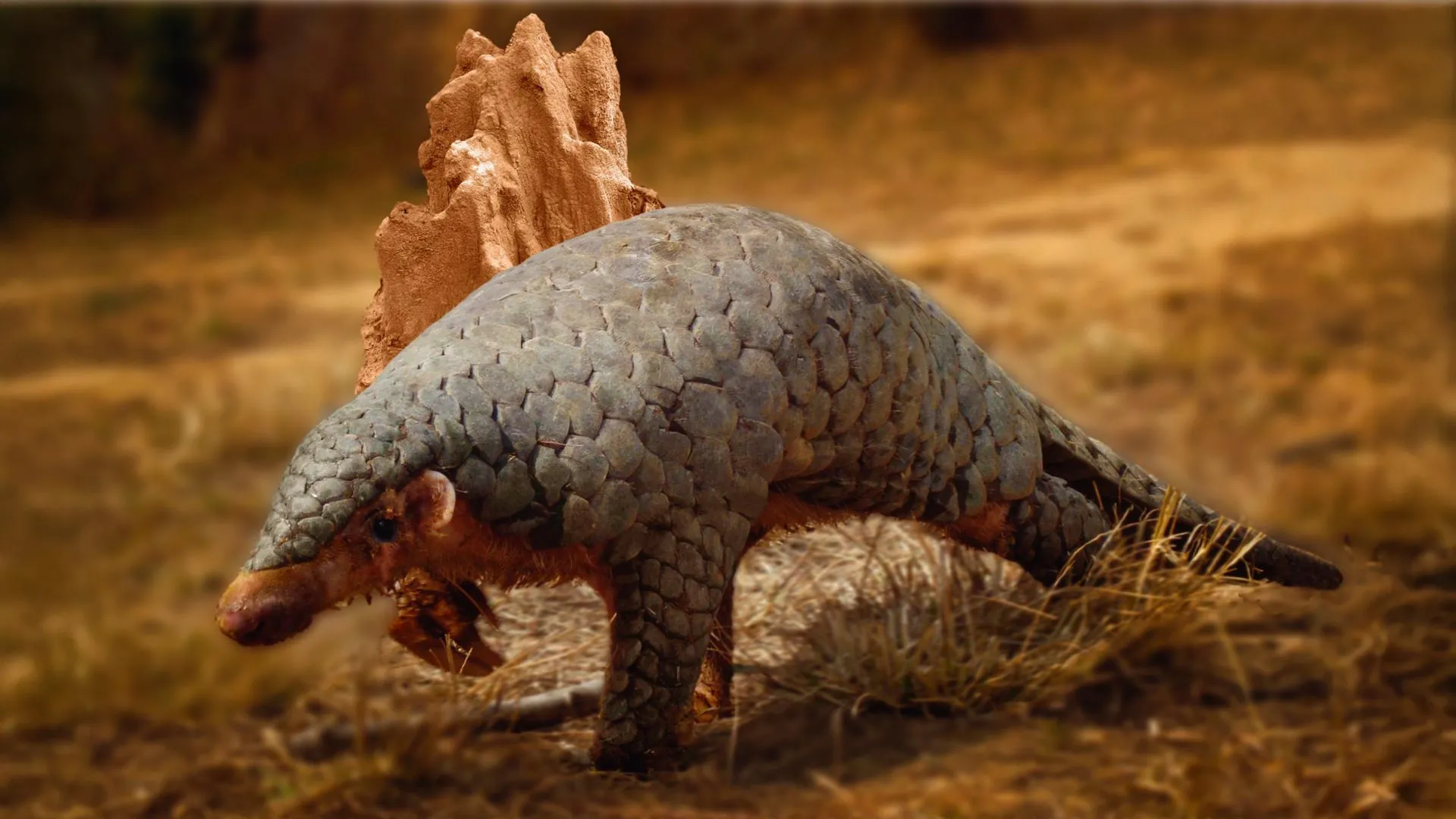
Scientists have validated the existence of Manis aurita, a distinct pangolin species found in the Himalayan region spanning Nepal and Northern India, resolving a long-standing taxonomic question through genetic analysis of historical museum specimens. The confirmation came after researchers examined DNA extracted from a type specimen collected in 1836 and housed at the Natural History Museum in London, providing definitive evidence that modern Himalayan pangolins represent a separate species from their Chinese counterparts.
The classification had become complicated when a research team determined in 2025 that animals previously classified as Chinese pangolins actually comprised two distinct species. One population inhabits mainly China, while the other occupies the Himalayan foothills across Nepal, India, Bhutan, and Myanmar. The mountain-dwelling form was initially named Manis indoburmanica, but genetic analysis of the historical specimen revealed that these animals matched an earlier scientific designation from 1836, making Manis aurita the valid name under taxonomy rules that prioritize the oldest designation.
The Himalayan pangolin differs from the Chinese species in several physical characteristics, including a larger body, longer tail, and smaller ears. The name aurita itself references the animal’s distinctive ears. Significantly, the geographic ranges of the two species do not overlap, a distinction that carries important implications for species identification and protection.
The findings provide practical tools for combating pangolin trafficking, which represents a major threat to the animals. Authorities often encounter pangolin scales rather than intact specimens in illegal markets, making species identification difficult. Researchers can now use the DNA methods developed during this study to analyze confiscated scales and determine which species were targeted, allowing law enforcement and conservationists to identify regions experiencing intense poaching pressure and implement targeted protection strategies.
The research underscores the value of natural history museum collections in revealing hidden biodiversity and supporting conservation efforts. Access to specimens collected over a century ago allows scientists to study animals from locations and populations that are extremely challenging to access today, enabling more comprehensive understanding of species distribution and evolution.
Article Attribution | Read More at Article Source
Article summary produced by Claude AI