

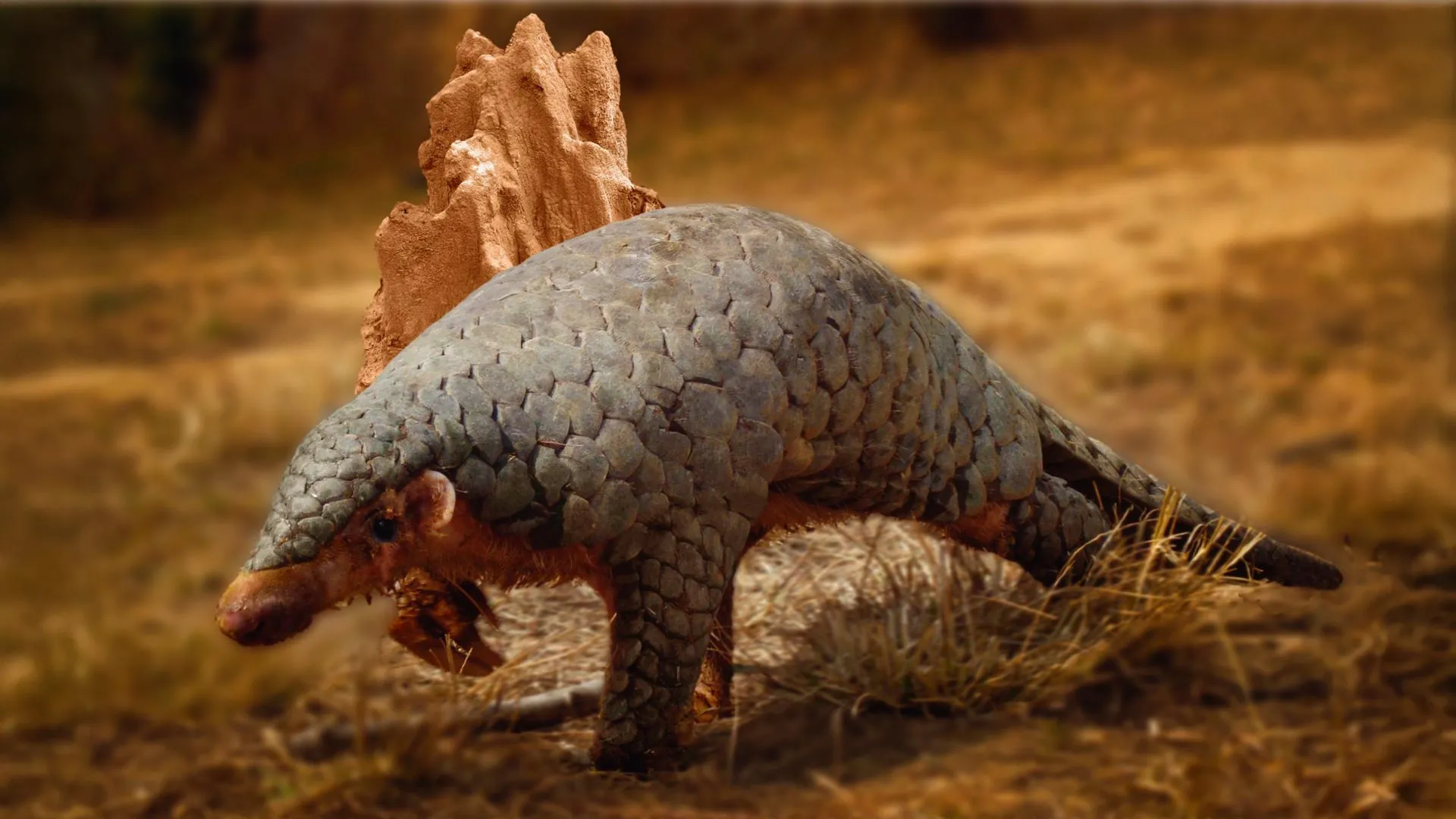
Scientists have identified and confirmed a distinct pangolin species, Manis aurita, inhabiting the Himalayan regions of Nepal and Northern India through an analysis combining genetic material and physical characteristics. The species had been historically documented in 1836 but was subsequently reclassified as a subspecies of the Chinese pangolin over the intervening years. The confirmation came after more than five years of research investigating pangolin evolutionary relationships and species boundaries.
The breakthrough relied on DNA sequencing from a museum specimen held at the Natural History Museum in London that dated back to 1836. Researchers compared genetic material extracted from this historical sample with modern Himalayan pangolin specimens, establishing that recently described populations matched the original aurita designation. This genetic evidence resolved a taxonomic question about the relationship between two species identified in recent years, with aurita emerging as the correct scientific name based on priority rules governing scientific nomenclature.
The Himalayan pangolin differs from the Chinese pangolin through several distinguishing features, including a larger body size, longer tail, and smaller ears. The two species occupy separate geographic ranges with no known overlap, a distinction critical for conservation efforts. Pangolins rank among the world’s most trafficked mammals due to demand for their scales in traditional medicine practices.
The species identification carries practical conservation implications for addressing illegal trafficking networks. DNA analysis techniques developed during the research could enable authorities to determine which pangolin species are represented in confiscated scales, helping identify where poaching pressure is concentrated. Understanding precise species ranges also supports reintroduction programs by ensuring the correct species are released into appropriate geographic locations. Researchers emphasized that natural history museums proved essential to this work by preserving specimens from regions and historical periods difficult to access through modern field sampling.
Article Attribution | Read More at Article Source
Article summary produced by Claude AI