

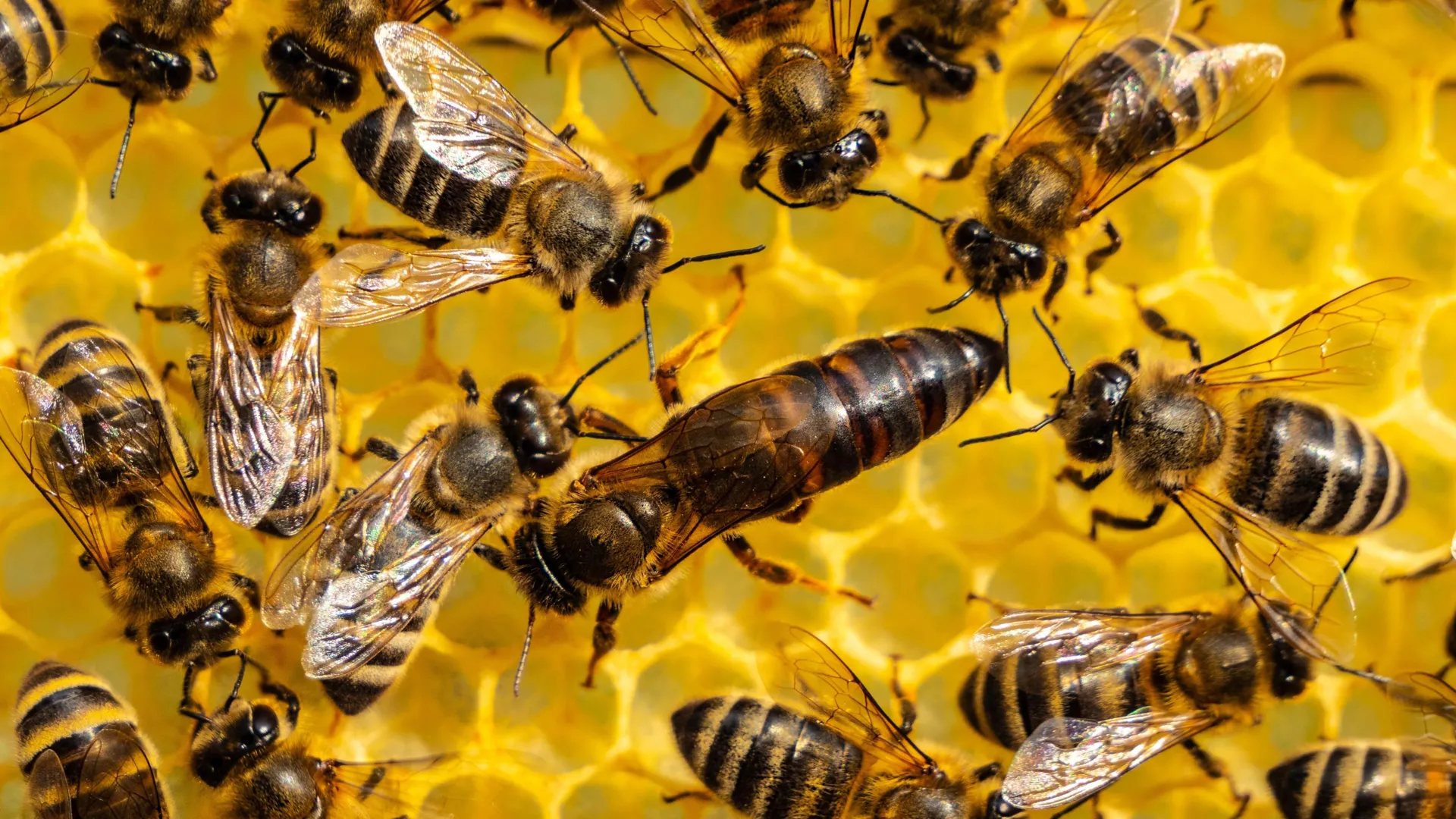
Researchers from Arizona State University have published findings that question a longstanding evolutionary hypothesis about the origins of eusociality, the highly organized social structure found in ant, bee and wasp colonies. The study, appearing in Current Biology, examined genetic and behavioral data from tens of thousands of insect species to test whether haplodiploidy—a genetic system where females develop from fertilized eggs with two chromosome sets while males develop from unfertilized eggs with one set—truly explains the evolution of complex insect societies.
For over 60 years, biologists theorized that haplodiploidy gave females an evolutionary advantage by making them more closely related to their sisters than to their own potential offspring, thereby favoring cooperative behavior and colony formation. This hypothesis became widely accepted in evolutionary biology and textbooks. However, the new research reveals the connection is more complicated than previously thought.
The Arizona State University team, led by PhD student Sachin Suresh and senior author Timothy Linksvayer, used phylogenetic comparative methods to analyze social behavior and genetic systems across insect species. While initial findings appeared to support the traditional theory, deeper analysis showed that nearly all the statistical evidence came from a single branch of the insect family tree: the aculeate Hymenoptera, which includes ants, bees and stinging wasps. When researchers examined haplodiploid insects outside this group, they developed eusociality at rates comparable to diploid insects with standard genetic systems.
The findings suggest that factors beyond genetics likely drove the repeated evolution of sophisticated insect societies. Traits such as specialized nesting behaviors, the possession of stingers and other group-specific biological characteristics may have been more influential than the genetic system alone. The research represents one of the most comprehensive empirical tests of this foundational evolutionary theory and underscores how large comparative datasets can refine long-established scientific ideas.
Article Attribution | Read More at Article Source
Article summary produced by Claude AI