

Researchers at the University of California, Riverside have identified potential climate consequences from the slowing of the Atlantic Meridional Overturning Circulation, a major ocean current system that functions as a planetary conveyor belt. The AMOC transports warm tropical water northward before cooling, sinking, and returning southward along the ocean floor. The findings, published in Nature Communications, reveal how this weakening could influence atmospheric conditions across multiple continents.
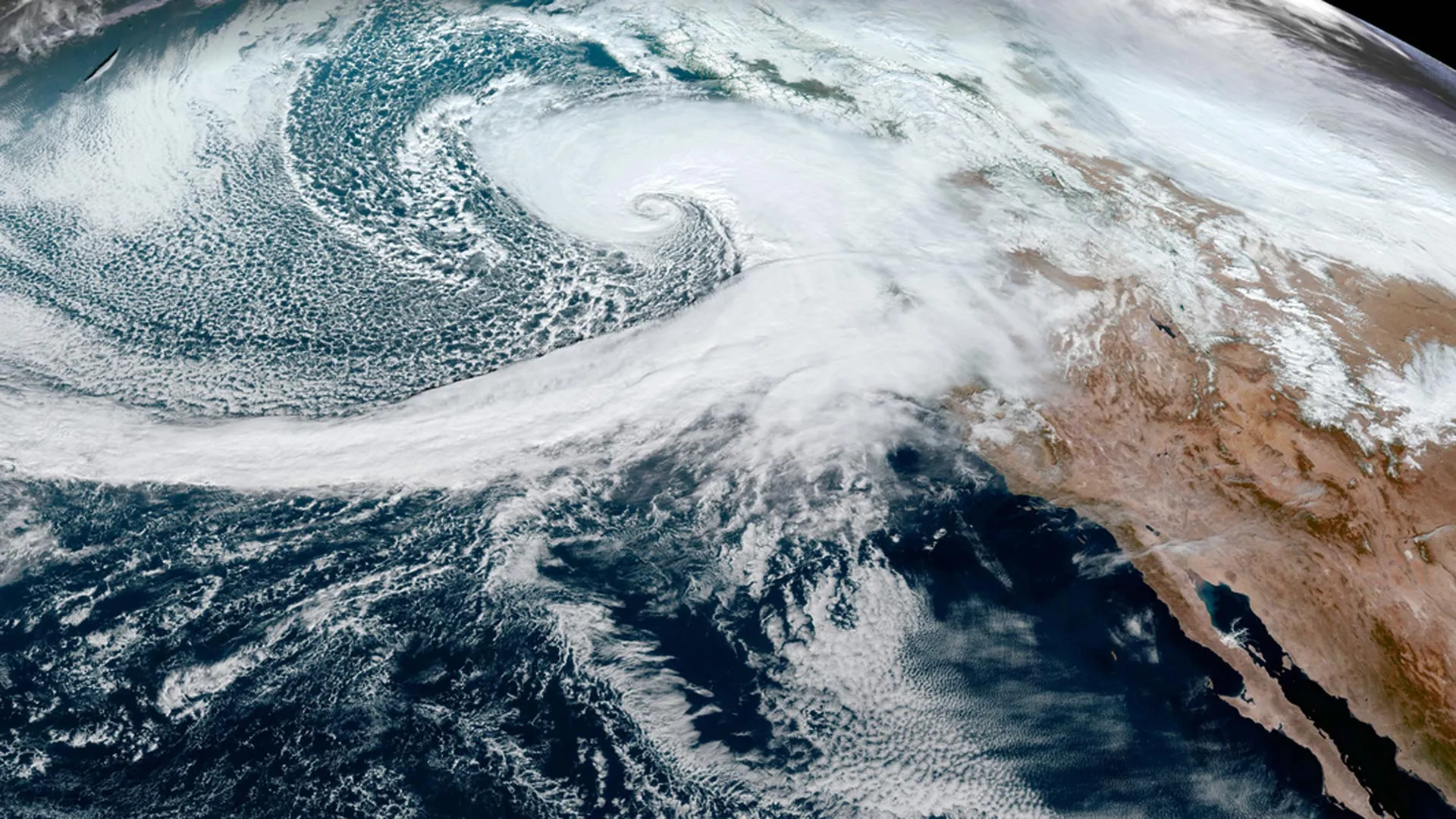
The study indicates that a weaker AMOC may alter ocean temperatures in ways that increase atmospheric moisture capacity and strengthen upper-level winds that guide storms across the Northern Hemisphere. These changes could intensify atmospheric rivers—long bands of water vapor that transport moisture toward higher latitudes—particularly affecting California’s West Coast. Atmospheric rivers provide California with substantial portions of its water supply but also carry risks of severe flooding and extensive damage. The research suggests stronger atmospheric rivers would also develop along the eastern coast of South America and around Antarctica.
Meanwhile, regions including Greenland and the Arctic are projected to experience weaker storm systems and reduced snowfall under the modeled scenarios. The climate projections emerge from models simulating high greenhouse gas emissions scenarios in which the AMOC continues declining throughout the remainder of the century. Scientists have already documented observable signs of AMOC slowdown, which climate models attribute to human-caused global temperature increases.
The research underscores the interconnected nature of Earth’s climate system, demonstrating how changes in one major ocean current can alter precipitation patterns and extreme weather conditions thousands of miles away. The authors note that reducing greenhouse gas emissions—primarily from fossil fuel combustion but also from sources including livestock methane, deforestation, and industrial activity—could limit the AMOC’s effects on future rainfall patterns. While stronger atmospheric rivers would increase flooding risks, they could potentially provide opportunities for water collection if communities enhance forecasting capabilities and expand storage infrastructure.
Article Attribution | Read More at Article Source
Article summary produced by Claude AI