

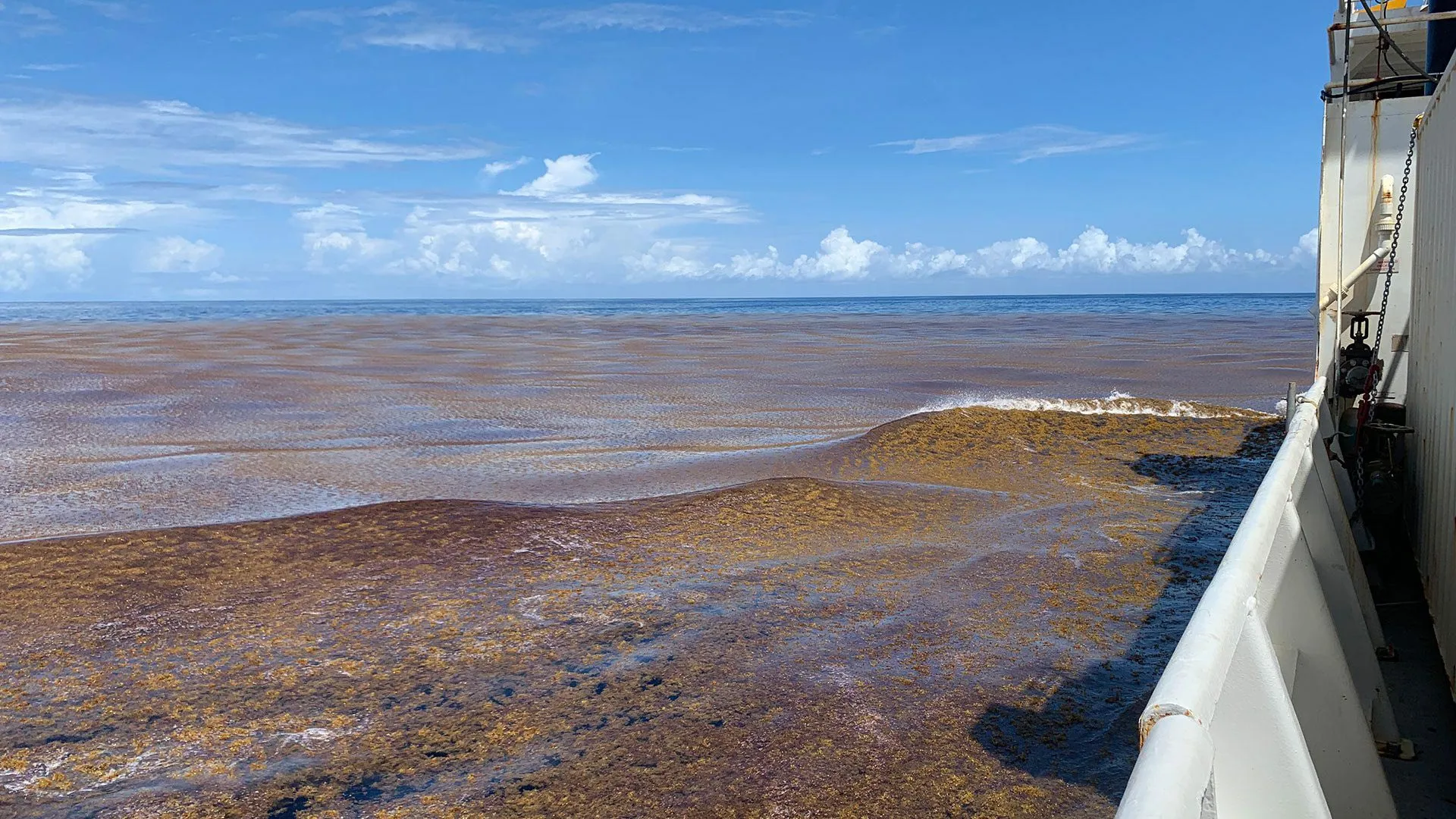
Researchers leveraging artificial intelligence have completed the first worldwide evaluation of floating algae populations, documenting significant expansions across multiple ocean regions. The analysis, conducted by scientists from the University of South Florida and the National Oceanic and Atmospheric Administration, identified both microalgal scum and macroalgal mats as growing at accelerating rates. The findings indicate that shifting ocean conditions—including temperature variations, current patterns, and nutrient availability—are likely fueling the algal proliferation.
The examination of 1.2 million satellite images spanning two decades revealed distinct growth patterns. Microalgal blooms expanded at approximately one percent annually between 2003 and 2022, while macroalgae increased substantially faster in certain zones. The tropical Atlantic and western Pacific regions saw macroalgal growth of 13.4 percent yearly, with particularly sharp increases in biomass occurring after 2008. A notable transition point emerged around 2010, following the appearance of major seaweed blooms in the Yellow Sea in 2008 and sargassum in the tropical Atlantic in 2011.
Floating algae present dual implications for ocean environments. In open water, these organisms can provide habitat and feeding grounds for marine species, potentially benefiting fisheries. However, when substantial quantities accumulate along coastlines, decomposing algae can deteriorate marine habitats, create health hazards for humans and animals, diminish tourism appeal, and generate economic losses for coastal regions.
The research team employed advanced deep learning models to identify algal signatures within satellite imagery, training the system over several months with millions of image features. The project required high-performance computing resources to process the massive dataset simultaneously. Scientists attributed the algal expansion to multiple factors, including nutrient pollution from human sources and climate-driven changes in ocean conditions, noting that underlying causes likely differ across geographic regions. Researchers indicated plans to examine additional satellite data for deeper insights into ongoing algal expansions.
Article Attribution | Read More at Article Source
Article summary produced by Claude AI