

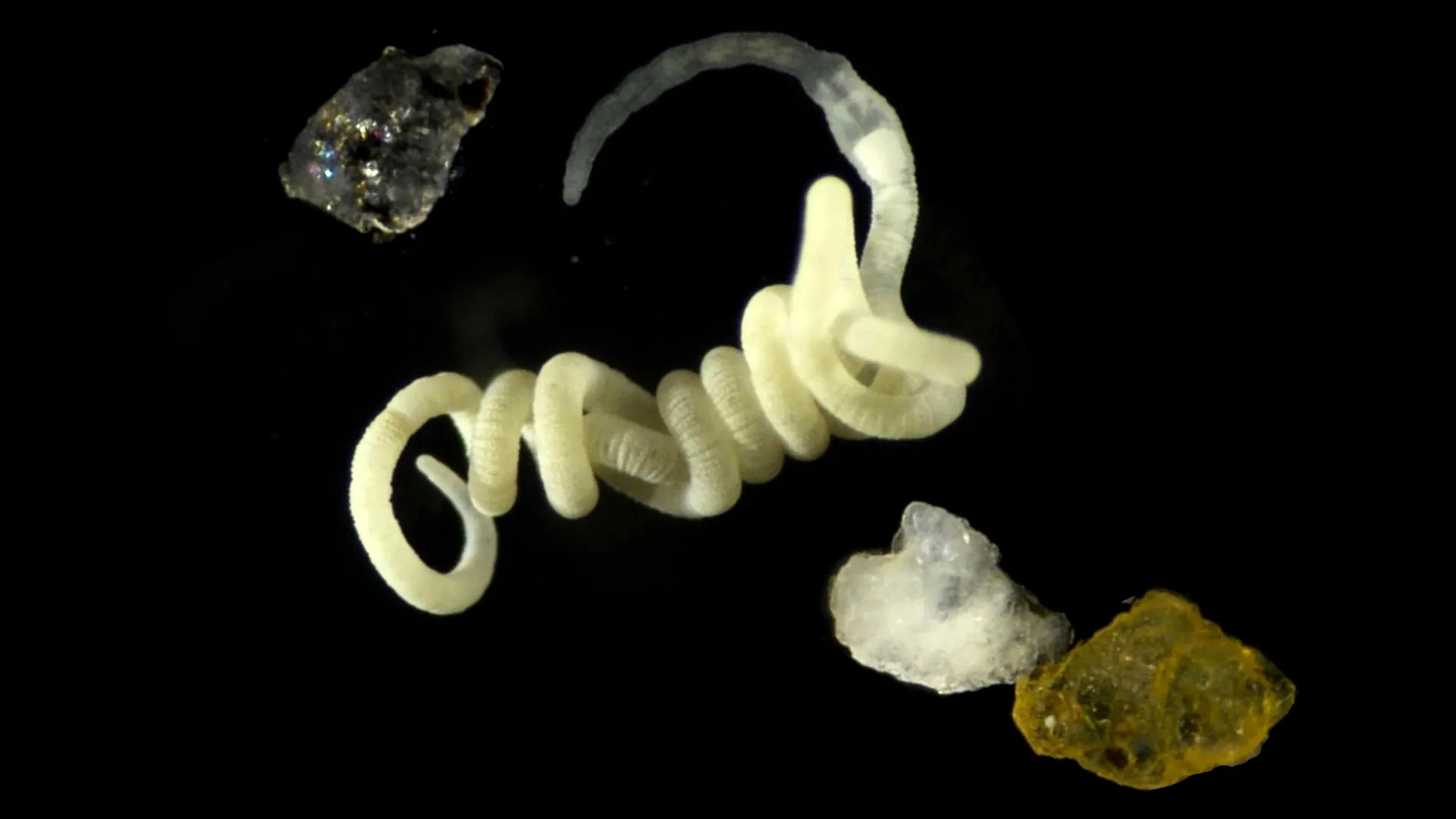
Scientists at the Max Planck Institute for Marine Microbiology in Bremen, Germany have identified a previously unknown ability in animals to degrade polyhydroxyalkanoates (PHAs), compounds that microorganisms naturally produce and store as carbon and energy reserves. The discovery, published in Nature Ecology & Evolution, reveals that various animal species possess enzymes capable of breaking down these microbial plastics, challenging the long-held assumption that only microorganisms could accomplish this task.
The investigation began with a study of the marine worm Olavius algarvensis, which lacks a mouth and gut, relying instead on symbiotic bacteria living beneath its skin for nutrition. Researchers identified an enzyme in the worm capable of breaking down PHAs into smaller molecules that animals can use for energy. When scientists examined animal genomes more broadly, they discovered similar enzymes in over 66 species across nine different animal phyla, including sponges, earthworms, and springtails. This widespread distribution of PHA-degrading enzymes across distantly related animal groups indicates an ancient and fundamental capability within the animal kingdom.
PHAs have gained significance as manufacturers increasingly produce them as sustainable alternatives to conventional plastics. These microbial compounds are used in applications ranging from food packaging and agricultural fertilizers to medical devices such as wound dressings and resorbable implants. Unlike many industrial plastics, PHAs are completely biodegradable and produced through biological processes, making them part of a circular biological system.
Natural PHAs exist widely in soils, sediments, and aquatic environments globally, produced by microorganisms when they accumulate carbon reserves. The new research suggests that animals may participate alongside microorganisms in degrading these naturally occurring bioplastics and accessing microbial carbon stores that were previously thought unavailable to them. Researchers estimate that animals may have been utilizing this natural bioplastic resource for hundreds of millions of years, though the full extent of this process in natural ecosystems and its contribution to global carbon cycling remain subjects for further investigation.
Article Attribution | Read More at Article Source
Article summary produced by Claude AI