

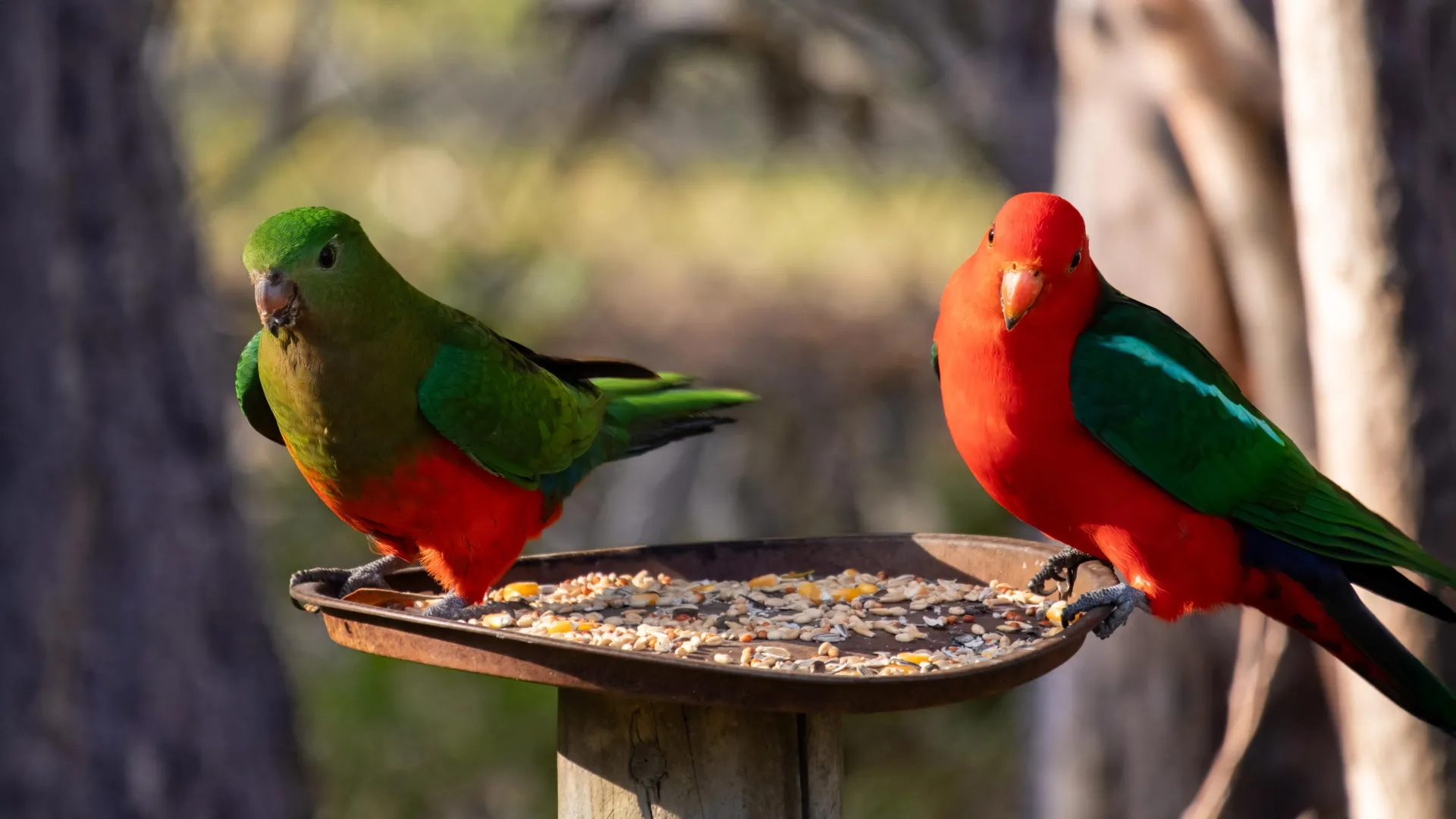
Backyard bird feeding represents a significant concern for disease transmission as H5N1 bird flu continues spreading across Australia. The practice, engaged in by approximately half of Australian households, attracts multiple bird species to concentrated areas where they would not naturally gather together, potentially creating ideal conditions for virus transmission among avian populations.
The H5N1 strain has already caused substantial wildlife losses globally and has recently claimed thousands of birds in Australia, including more than 1,000 crested terns and one long-nosed fur seal, marking the first confirmed infection in a mainland mammal. While humans rarely contract the virus and typically experience only mild symptoms, wildlife carers and veterinarians remain at elevated risk through direct contact with infected animals. Scavenger species such as possums, foxes, and crows can also become infected when consuming carcasses of diseased birds, further spreading the virus through ecosystems.
Experts emphasize that most wild birds obtain the majority of their nutrition from natural food sources including insects and worms, making supplementary feeding unnecessary for bird survival. The practice becomes particularly problematic for threatened species like the orange-bellied parrot, which could face extinction if exposed to H5N1 in vulnerable population concentrations.
For those who wish to continue backyard bird feeding despite these risks, three key precautions are recommended: significantly reducing the amount of food offered to discourage congregation, eliminating hand-feeding practices that create close contact with birds, and maintaining rigorous hygiene standards by regularly cleaning all feeding equipment and surfaces with domestic bleach. Public health authorities stress that complete cessation of bird feeding represents the most effective strategy for reducing transmission risk and protecting both wildlife and human health during the ongoing outbreak.
Article Attribution | Read More at Article Source
Article summary produced by Claude AI