

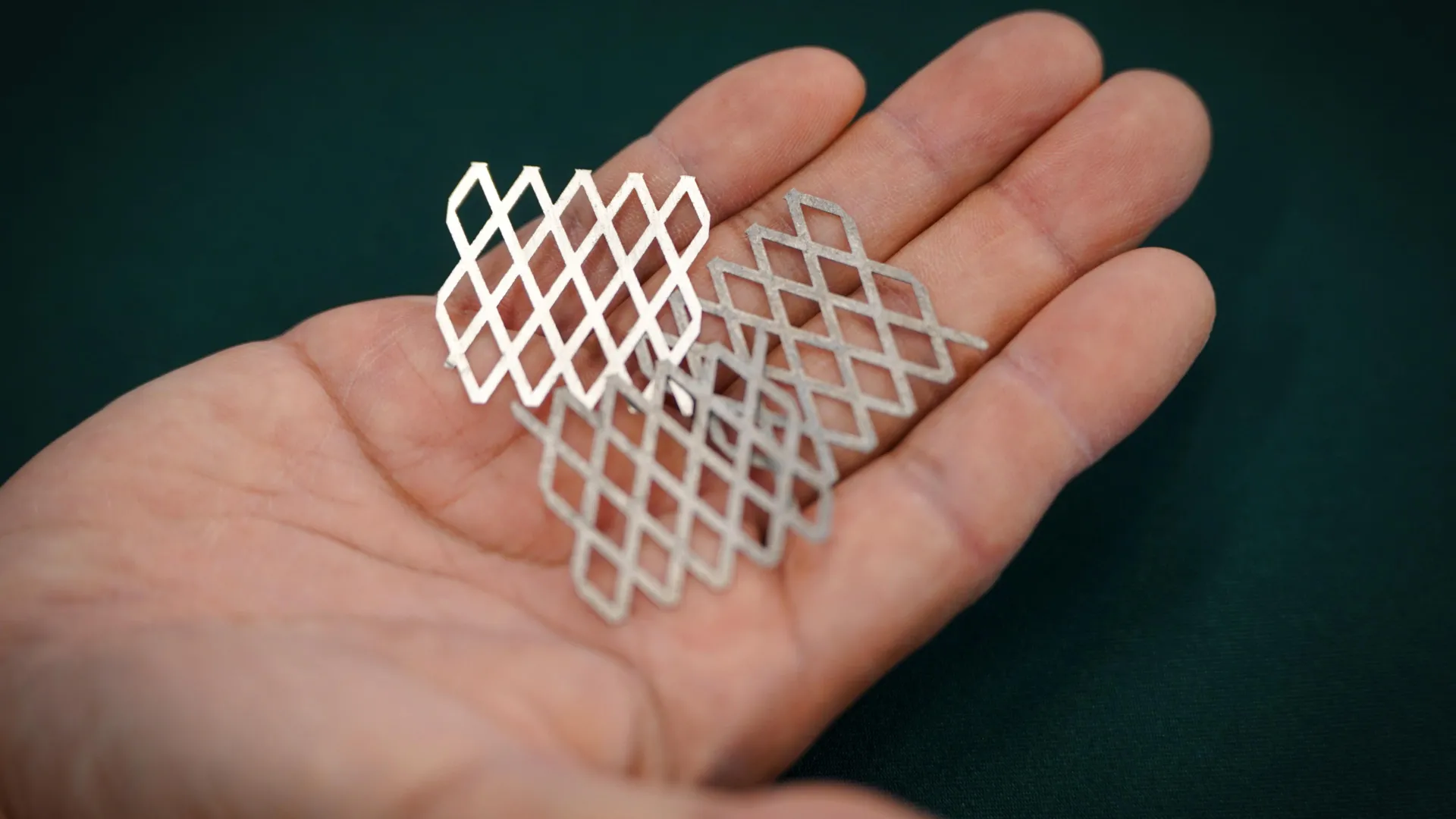
A team led by Professor Mingxin Huang at the University of Hong Kong has created a novel stainless steel material designated SS-H2, engineered to withstand severe corrosion in conditions where conventional stainless steel fails. The development represents an advancement from Huang’s broader Super Steel Project, which has previously produced materials with specialized properties.
The new material shows particular promise for green hydrogen production systems that use seawater. In such applications, electrolysis equipment must endure highly demanding chemical and electrical environments. SS-H2 demonstrated performance comparable to titanium components currently used in these systems while offering substantially lower costs. The research was published in Materials Today, and patent applications have been filed in multiple countries with two patents already granted.
Conventional stainless steel has long been limited by its reliance on a single chromium oxide protective layer that degrades at high electrical potentials around 1000 mV. Water oxidation during electrolysis requires approximately 1600 mV, creating a fundamental gap. SS-H2 overcomes this limitation through a dual-layer protection system, with a manganese-based second layer forming at approximately 720 mV. This innovation allows the material to resist corrosion in chloride-rich environments at potentials reaching 1700 mV—exceeding the threshold needed for water oxidation. Notably, manganese was traditionally considered detrimental to stainless steel corrosion resistance, making this discovery counterintuitive to established corrosion science.
The economic potential is significant. In current PEM electrolysis systems using desalinated seawater or acidic solutions, expensive titanium components coated with gold or platinum can represent up to 53% of total system costs. Researchers estimate SS-H2 could reduce structural material costs by approximately 40 times. A 10 megawatt PEM electrolysis system currently costs around HK$17.8 million, making such cost reductions potentially transformative for industrial hydrogen production.
While laboratory results are promising, substantial engineering challenges remain before widespread deployment. Practical components such as metal meshes and foams must be developed and tested. Nevertheless, production efforts have begun, with tons of SS-H2-based wire already manufactured in collaboration with mainland factories, indicating movement toward commercialization.
Article Attribution | Read More at Article Source
Article summary produced by Claude AI